

 31 minutes ago
3
31 minutes ago
3
ARTICLE AD BOX
Last Updated:May 12, 2026, 17:17 IST
From the 'mastermind' at the top to the local 'conduit' at the bottom, the leak of a medical entrance paper is not just a crime; it is a high-yield business venture


The National Testing Agency cancelled the NEET (UG) 2026 exam conducted on May 3 amid allegations of paper leak, with the government asking the CBI to carry out a comprehensive inquiry into the 'irregularities', on Tuesday, May 12, 2026. Pic/PTI
The cancellation of the NEET UG 2026 examination has shifted the national spotlight from a simple security lapse to the dark, multi-layered “leak economy" that underpins India’s competitive exam ecosystem. While the Central Bureau of Investigation (CBI) will track the digital and physical trail of the paper, the financial architecture of this underground industry reveals a staggering profit margin at every level. From the “mastermind" at the top to the local “conduit" at the bottom, the leak of a medical entrance paper is not just a crime; it is a high-yield business venture where a single Sunday can generate a turnover exceeding Rs 100 crore.
How much does the top-tier mastermind pocket?
At the apex of this pyramid sits the “solver-gang" leader or the primary source who has direct or indirect access to the printing press, the transport logistical chain, or the treasury. For these individuals, the leaked paper is a high-value asset that is rarely sold to students directly. Instead, they sell “bulk rights" to regional kingpins.
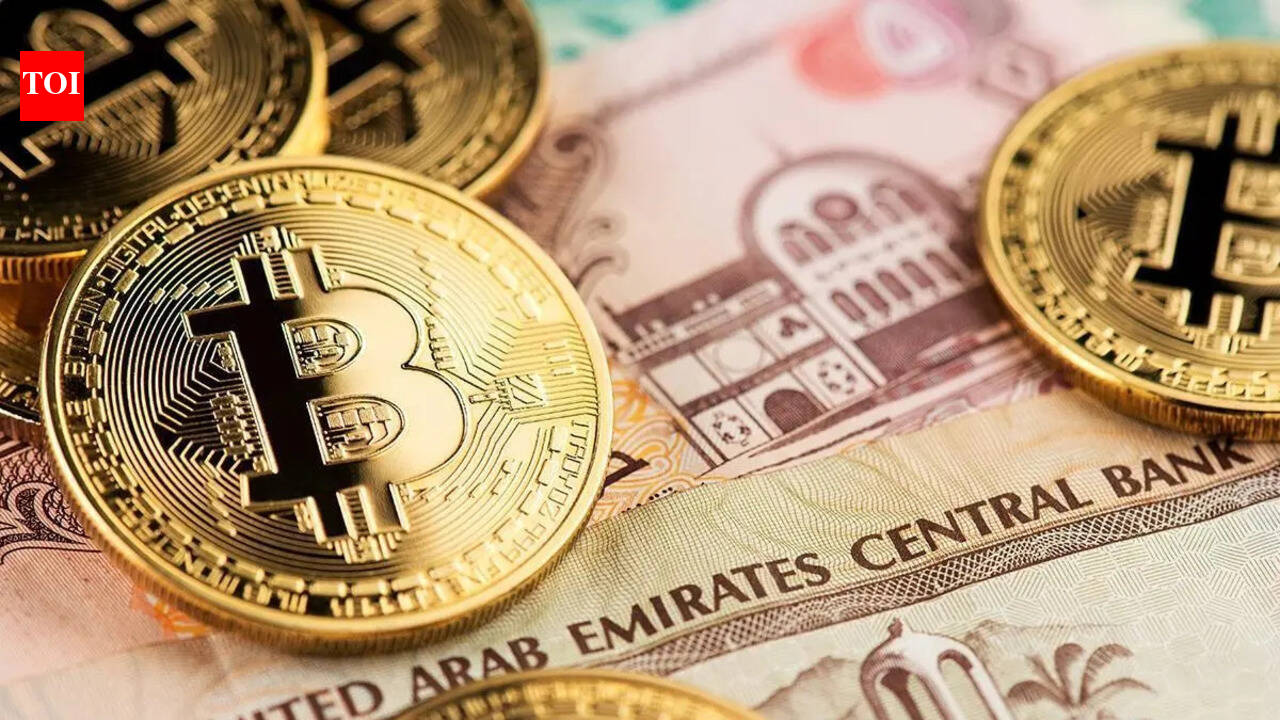
In the 2026 NEET case, investigators estimate that the primary source likely offloaded the set of 180 questions for a lump sum ranging between Rs 5 crore and Rs 10 crore. This “master distributor" takes the highest risk but enjoys the quickest exit, often disappearing into a web of shell accounts and offshore crypto-wallets before the first OMR sheet is even shaded. Their goal is volume at the wholesale level, leaving the retail “sales" to a secondary layer of professional racketeers.
What is the profit margin for the middleman and coaching nexus?
The second layer consists of regional operators, often disguised as owners of small-scale coaching centres or hostel managers in hubs like Kota, Sikar, or Patna. This is where the price of the paper undergoes its most aggressive inflation. These middlemen purchase the “master document" and begin a tiered marketing strategy.
In the early stages—roughly 48 to 72 hours before the exam—they pitch the paper to “premium" clients for anywhere between Rs 15 lakh and Rs 30 lakh per candidate. This fee often includes a “safe house" stay where students are forced to memorise the answers under supervision to ensure no digital evidence leaves the room. By the time the paper reaches this stage, the middleman, who might have invested Rs 50 lakh for a regional copy, stands to make a profit of 500% by selling it to just ten wealthy families.
How do local conduits and ‘solvers’ earn their share?
The final and most visible layer of the leak economy involves the local “conduits" and the academic “solvers". The solvers are typically brilliant MBBS students or research scholars who are paid between Rs 2 lakh and Rs 5 lakh per session to solve the leaked paper within minutes so the “key" can be distributed. They are the engine room of the operation, turning a stolen booklet into a usable product.
Below them are the “brokers"—often seniors at local colleges or even staff at the exam centres—who act as the last-mile delivery agents. As the exam hour nears, the price of the paper “crashes" in a manner similar to a closing stock market. By the Saturday night before the Sunday exam, the leaked paper might be available on encrypted Telegram channels for as little as Rs 25,000 to Rs 50,000. These lower-level players rely on sheer volume, selling the “guess paper" to hundreds of desperate students to accumulate a quick fortune of several lakhs in a single night.
What is the real cost of this shadow industry?
While the criminals count their crores, the “leak economy" imposes a devastating tax on the 22.7 lakh legitimate aspirants. Beyond the obvious emotional trauma, the financial drain on families is immense. The average middle-class family spends between Rs 2 lakh and Rs 5 lakh over two years on coaching and transport for NEET. When a leak occurs, these investments are effectively wiped out, replaced by the added costs of travel and lodging for a re-test.
Ultimately, the NEET leak economy thrives because the “return on investment" for a medical seat is perceived as infinite. As long as the gap between the number of aspirants and available seats remains a chasm, the shadow market will continue to treat the aspirations of India’s youth as its most profitable commodity.
Handpicked stories, in your inbox
A newsletter with the best of our journalism
News india The NEET Leak Profit Pyramid: How A Single Stolen Paper Can Generate A Rs 100 Crore Sunday
Disclaimer: Comments reflect users’ views, not News18’s. Please keep discussions respectful and constructive. Abusive, defamatory, or illegal comments will be removed. News18 may disable any comment at its discretion. By posting, you agree to our Terms of Use and Privacy Policy.
Read More



 English (US) ·