

 1 day ago
5
1 day ago
5
ARTICLE AD BOX
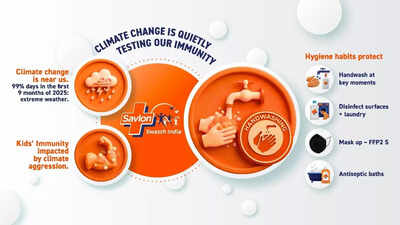
If checking the AQI has become as routine as scanning your child’s school WhatsApp group, you’re not imagining things,parenting has changed. There was a time when illnesses followed seasons.
Today, children are falling sick in ways that defy this logic.Summer coughs, winter rashes, infections that keep returning. Climate change isn’t just reshaping the planet; it’s quietly reshaping children’s health.And while the environment has evolved rapidly, our hygiene habits haven’t. Why children feel climate change firstChildren’s immunity is often under stress because their immune systems are still developing and only fully mature after a certain age.
Until then, the body is constantly learning how to respond to infections. Add rising pollution, erratic weather shifts, and extreme humidity changes make that learning curve challenging.Children also inhale more pollutants per unit of body weight than adults, simply because they breathe faster. Sudden changes in weather, damage to the respiratory lining, make it easier for allergens, dust, and viruses to enter the body. Based on the inputs from Dr. Bhaskar Shenoy, HOD & Consultant - Pediatrics and Pediatric Infectious Diseases at Manipal Hospital Old Airport Road, Bangalore, the Savlon Swasth India Mission’s podcast highlights that simple hygiene habits are necessary to protect children’s immunity and build a resilient future.
Savlon Swasth India Mission | Climate Change & Kids' Health: Doc's Pod Ep 1
Why “clean” is no longer enoughNearly 80% of infections spread through touch and contact, not just through the air. This means that hand hygiene, along with keeping our clothes and household surfaces clean, has become our first line of defence.High-touch surfaces such as doorknobs, switches, remote controls, and study tables quietly collect germs throughout the day. At the same time, sweat trapped in synthetic clothing during hot months creates an ideal environment for bacteria to cause rashes and skin infections. Regular cleaning alone may no longer suffice. Surface disinfection helps reduce the everyday microbial load, allowing a child’s immune system to focus on bigger threats instead of constant low-grade exposure.
Laundry disinfectants with actives like Benzalkonium Chloride help in disinfection of laundry especially clothes like sportwear, gym wear, school uniforms1.Prevention is no longer seasonal, it’s daily.Turning science into habitTo help parents act on this knowledge, the Savlon Swasth India Mission Podcast introduces the S.H.A.K.E. formula, a simple hygiene framework:
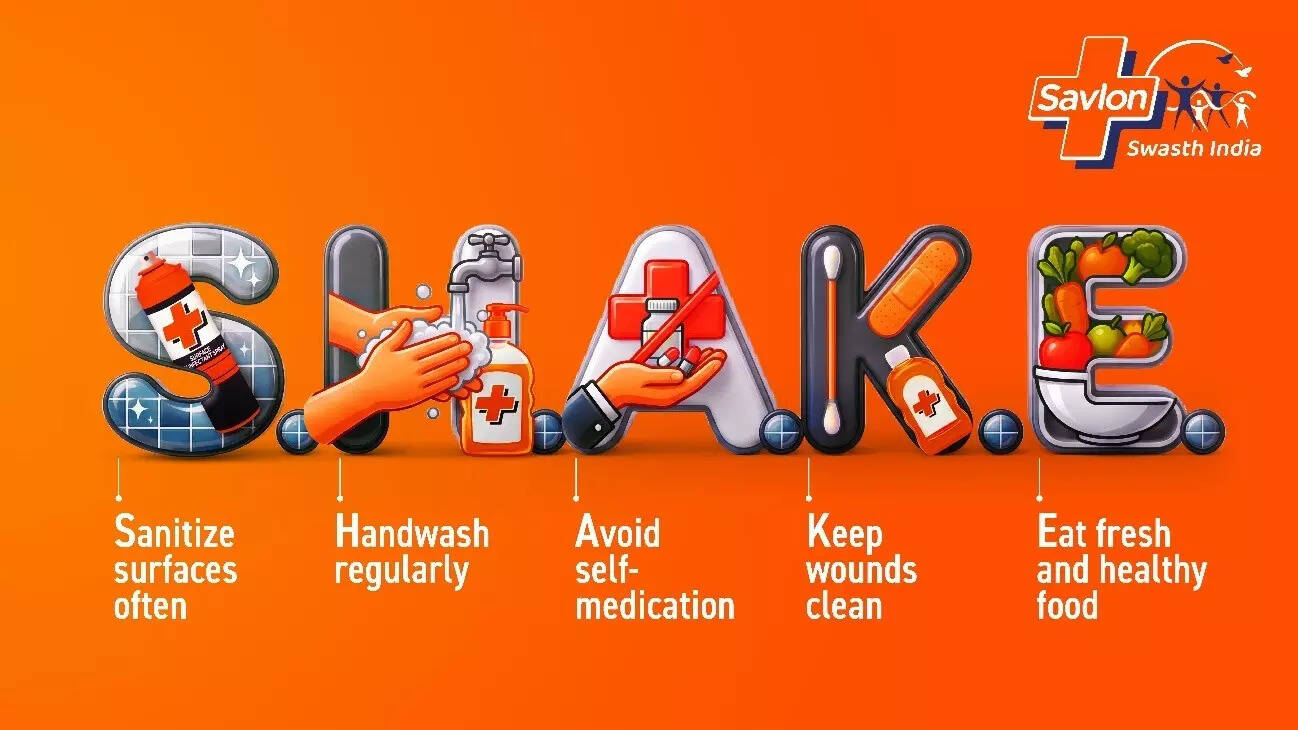
S – Sanitize surfaces often, especially high-touch areasH – Hand wash regularly for 20 seconds, before meals and after outdoor play, after washroomA – Avoid self-medication, and seek timely medical adviceK – Keep wounds clean using antiseptic liquidE – Eat fresh and healthy foodSmall, consistent habits can significantly reduce infection frequency.Building resilience for the futureModern prevention also extends beyond the home. FFP2 S masks filter harmful particles more effectively than cloth masks, and aid in reducing respiratory stress.Most importantly, these habits need to begin early. When children instinctively wash hands, avoid unsafe food, or use high quality FFP2 S masks in polluted environments, they’re not just following rules,they’re protecting their immunity long-term.The takeaway is simple: While we can’t control the weather, we can upgrade our habits. By aligning hygiene practices with today’s environmental realities, parents can give their children a stronger, more resilient start in an increasingly unpredictable world.Since 2016, ITC says Savlon Swasth India Mission has reached over 14 million children through its hand hygiene outreach and describes it as among the largest such education programmes globally.
ITC adds that the ongoing initiative has helped instil hand hygiene practices among primary school students, with reported outcomes pointing to measurable habit change.According to the Kantar impact report in March 2024, commissioned to assess impact for the Savlon Swasth India Mission in select centers, it was observed that there is an increase in overall handwashing occasions by children who have attended the programme.
Mothers also perceived their child’s health to have improved after the campaign, pointing to the initiative’s role in increasing awareness about handwashing.
The study also reports on higher compliance to handwashing occasions by children who had been a part of the program. The school initiative has also sparked conversations, with children discussing the initiative and mothers talking about improvements in their child’s handwashing habits and its benefits. With a focus on innovation in design and communication, the mission has introduced various initiatives such as Savlon Healthy Hands Chalk Sticks, Savlon ID Guard, and the recent Hand Ambassador and Handwashing Legend campaigns, all aimed at fostering education and promoting good hygiene habits. Savlon Swasth India is a mission towards ensuring the good health of all our children and thus enhancing their performance to shape the future of a billion dreams. Healthier kids, stronger India.Issued in public interest by Savlon Swasth India Mission.References:1. https://pmc.ncbi.nlm.nih.gov/articles/PMC8960219/?utm_source=chatgpt.com Disclaimer: The views/suggestions/opinions expressed in the article are the sole responsibility of experts. This article has been produced on behalf of Savlon Swasth India Mission by Times Internet's Spotlight team









 English (US) ·