

 1 hour ago
9
1 hour ago
9
ARTICLE AD BOX
(Image Credits: Pinterest)
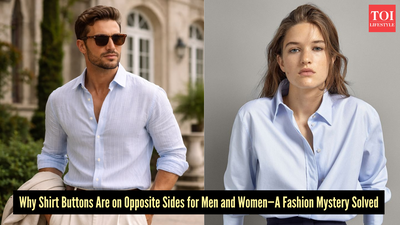
You probably do it every single morning without giving it a second thought. You grab a crisp shirt from your wardrobe, slip it on, and start fastening it up. But if you take a moment to look closely, you will notice a fascinating little quirk built into your daily routine.
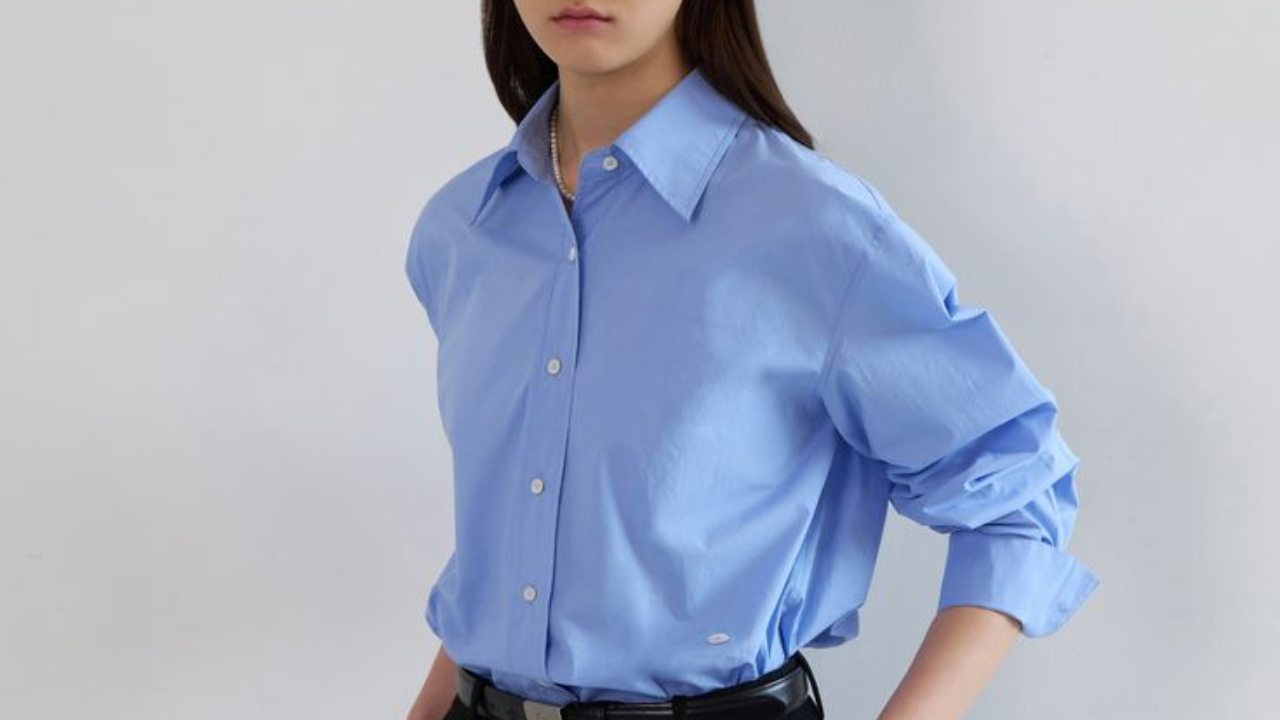
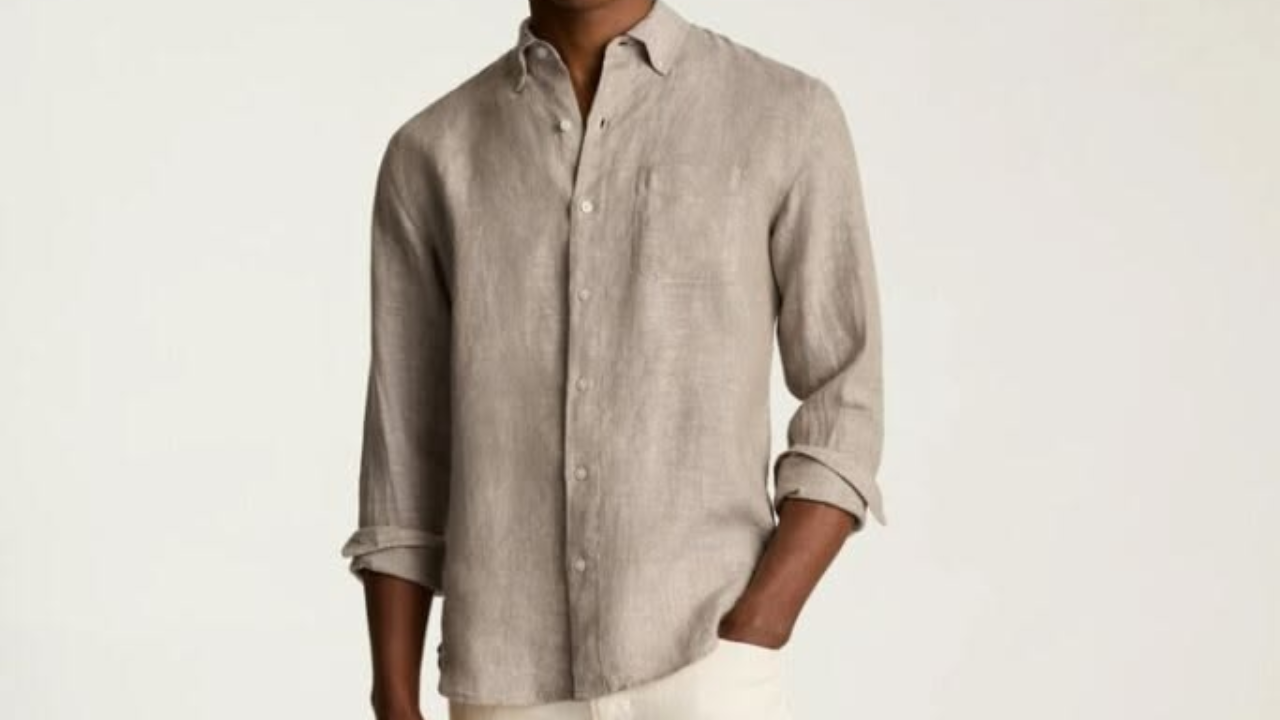
Men’s shirts have the buttons sewn onto the right side. Women’s shirts, on the other hand, have them firmly planted on the left. It is a tiny, almost invisible detail. Why on earth would clothing manufacturers bother making them differently? The answer isn't just a random fashion choice. It is actually a massive historical hangover that dates all the way back to the Renaissance and Victorian eras. Long before the days of fast fashion and automated sewing machines, buttons were a pricey luxury.
And exactly where they were placed depended entirely on how the wearer lived, fought, and flaunted their social status. Here is the surprising history hiding in plain sight on your chest.
(Image Credits: Pinterest)
Gentlemen, guard your swords To understand the men’s side of things, we have to look at warfare. For centuries, men's clothing design was heavily dictated by combat and weaponry. Historically, a man's primary accessory wasn't a tie—it was a sword. Because the vast majority of men are right-handed, they naturally carried their weapons on their left hip.
This setup allowed them to quickly draw their swords across their bodies in an emergency. Now, imagine a man wearing a coat that overlapped right-over-left.
If he suddenly needed to draw his sword, the hilt could easily catch on the overlapping flap of his jacket. In a life-or-death duel, that split-second snag could be fatal. Designing shirts with a left-over-right overlap—which puts the buttons on the right side—guaranteed a completely smooth, unobstructed draw.
Beyond combat, there was a simpler reason. Men almost always dressed themselves. Having the buttons on the right side simply made getting dressed easier for a dominant right hand.Alia Bhatt’s Delhi appearance for ‘Alpha’ came with a masterclass in power dressingMaids, motherhood, and side-saddles For women, the story shifts completely from the battlefield to the lavish lifestyles of the elite. The most widely accepted explanation for women's left-sided buttons is the "maid theory." Think back to the eras of elaborate bustles, heavy petticoats, and suffocating corsets.
Wealthy women rarely, if ever, dressed themselves. Instead, they were dressed by right-handed maids. By placing the buttons on the wearer’s left, they were perfectly positioned on the right side for the servant standing directly in front of them.
It was a design tweak made purely to make the maid's job easier.But history offers a few other fascinating theories, too. One is rooted in motherhood. Women have traditionally held infants in their left arm.
Cradling a baby this way kept their dominant right hand totally free for chores and daily tasks. If a right-handed mother needed to breastfeed, having her buttons on the left side made it significantly easier to unbutton her shirt with her one free hand.
(Image Credits: Pinterest)
Another interesting angle involves horseback riding. Historically, it was customary for women to ride side-saddle, sitting with both legs draped gracefully over the left side of the horse.
A right-over-left clothing overlap ensured that the breeze coming from the front as they rode wouldn't catch the fabric and blow their shirts open.Why hasn't it changed? Today, men aren't drawing swords in the streets. And very few women have a personal maid lacing them into their office wear. So why do we still follow these outdated rules? You can thank the Industrial Revolution. When mass-produced clothing arrived in the 19th century, manufacturers took the designs that were popular among the wealthy and simply standardized them for the general public.
Keeping the different button placements also served a highly practical purpose on the factory floor.
It gave tailors and factory workers a foolproof, instant way to tell men’s and women’s garments apart while sorting them. Fast forward to the modern era, and it remains an almost universal standard in fashion. We keep doing it simply out of habit. So, the next time you button up for work, take a second to appreciate it. You are literally wearing history.









 English (US) ·