

 1 hour ago
4
1 hour ago
4
ARTICLE AD BOX

Bitterness in coffee is often misunderstood, with caffeine wrongly blamed. New research reveals roasting chemicals like chlorogenic acid and phenylindanes are the primary culprits, not caffeine levels.
This is something we’re all familiar with. Selecting your favourite bag of single-origin coffee, grinding it perfectly, and waiting for your first delicious cup of coffee begins.
However, the taste you expect from the delicious chocolate or fruity flavours listed on the packaging gives way to an overwhelming bitterness, which makes you reach for the sugar bowl. There is always a misconception about bitterness being “strength” of coffee or a bad bean; however, there’s more to it than meets the eye.However, bitterness is an important part of the coffee story and the delicate balance that makes the beverage complex but not unpleasantly harsh.
The presence of a little bit of bitterness will add complexity to a coffee beverage, while excessive bitterness can obscure the nuances of flavour. New innovations in sensory science are turning attention away from bean selection and toward the molecular reactions within the brewing apparatus.Beyond caffeine and bitternessCaffeine has long been considered the reason why coffee beverages taste bitter. The perception that high levels of caffeine would equate to a bitter coffee has often been held. However, recent innovations in sensory science have revealed that this is not the case. According to a study in the Food Chemistry journal, caffeine is only slightly associated with bitterness.
The study reveals that caffeine accounts for just 10 to 30 per cent of the bitter taste. The actual causes of the bitter taste include chemicals that form while roasting the beans, such as chlorogenic acid, lactones and phenylindanes. With the rise in temperatures, these compounds emerge, and that is what makes even the decaffeinated coffee bitter in taste. It emerges that the degree of roasting plays an even bigger role compared to caffeine levels in creating bitter tastes in coffee.Furthermore, these chemical reactions make the window for producing delicious coffee very narrow. The more the beans are roasted, the less acidity and sugar remain; they are replaced by more bitter compounds. Thus, if your coffee is too bitter, using a lightly roasted bean is the easiest scientific remedy to uncover the fruits hiding behind it.
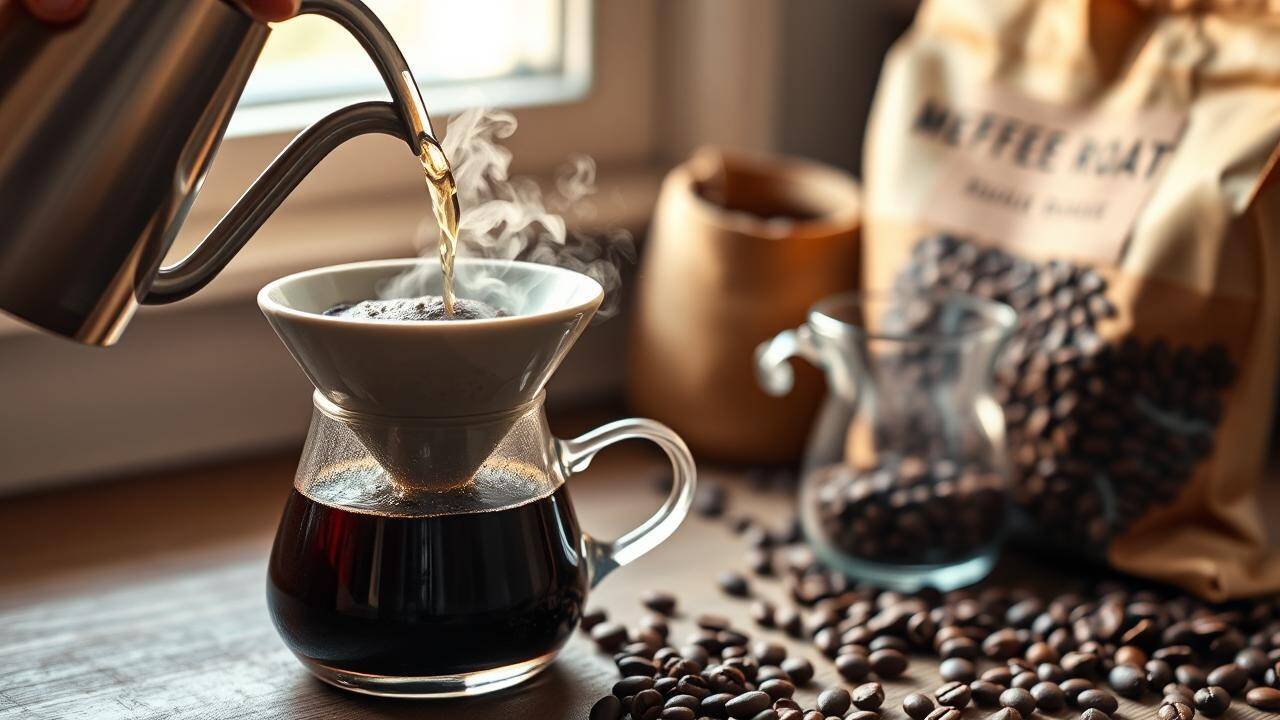
Controlling brewing temperature is crucial, as excessive heat extracts more bitter compounds, making cold brewing an effective method to minimize harshness and reveal nuanced flavors.
Temperature and extraction in slow motionIf you have chosen the proper roast and your coffee still resembles burnt bread, it might be your kettle's fault.
Temperature is like a key opening up some specific flavours; when it is too high, the extraction will be dominated by bitter compounds that you do not want extracted at all.According to a study published in Scientific Reports, the temperature of your brew is a dominant factor in flavour. The researchers found that hot brews, typically around 92 degrees Celsius, extract significantly more bitter and "burnt" flavours than room temperature or cold brews.
The study also noted that once the initial extraction happens, the length of time you brew matters less than the heat you use.This means that for the home brewer, lowering the water temperature just a few degrees can make a world of difference. Instead of using boiling water, letting your kettle sit for a minute before pouring can help you avoid over-extracting those harsh phenylindanes. The Scientific Reports research highlights that cold brewing is perhaps the most effective way to minimise bitterness, as the lower temperature prevents many of those bitter molecules from ever entering the water.Ultimately, brewing a perfect cup of coffee requires finding a fine balance between the scientific principles and the practical skills. Once you understand that the bitterness is primarily caused by the compounds generated during roasting rather than caffeine alone, and maintain proper control over the temperature at which your coffee brews, you will no longer have to fight your coffee, but rather enjoy it.









 English (US) ·