

 1 hour ago
6
1 hour ago
6
ARTICLE AD BOX
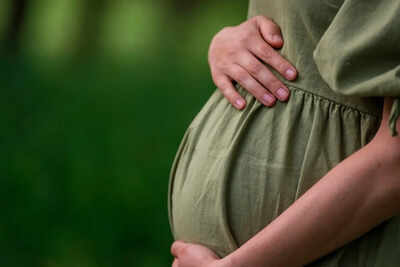
In a remarkable story of hope, a young woman grappling with the challenges of severe endometriosis encountered a life-threatening ovarian abscess after undergoing IVF for egg retrieval. Thanks to the skill and quick thinking of Dr. Madhuri Vidyashankar P., who performed emergency surgery, she not only survived but also safeguarded her chances of motherhood.
Endometriosis is a condition in which tissue similar to the lining of the uterus grows in other parts of the body. It often silently erodes fertility and, along with it, the dreams couples carry into parenthood.
The disease can lead to complications during conception and fertility treatment and, in some cases, can even result in life-threatening emergencies. For many young women living with endometriosis, IVF becomes the most realistic path to achieving pregnancy. However, as one case revealed, this journey is rarely linear.A 28-year-old woman with severe endometriosis and no prior history of surgeries was advised to proceed with IVF, owing to the severity of the disease.
Like many couples beginning assisted reproduction, she and her partner had imagined pregnancy milestones together after years of silent struggle. She underwent an egg retrieval procedure (oocyte pick-up) at a facility, and initially everything seemed to be in order.
However, four days later, the patient developed a high fever that did not subside despite antibiotic treatment. What started as a mild discomfort soon turned into relentless pain, fear, and uncertainty.
Soon, she experienced extreme abdominal pain, accompanied by chills and general deterioration. On a further inspection at Motherhood Hospitals, the imaging revealed a massive ovarian abscess – a pus-filled cavity measuring nearly 10-12 cm, along with infected fluid across the abdominal cavity, which reached as far as the liver. The situation had shifted from fertility treatment to fighting for survival. The infection was driving her into further illness, making emergency surgery unavoidable. The surgical procedure was led by Dr Madhuri Vidyashankar P, Consultant Gynecologist, Hysteroscopic & Laparoscopic Surgeon, Motherhood Hospitals, Bengaluru. During surgery, the findings were dramatic. Pus had spread across multiple abdominal organs, there was significant swelling in the infected ovary, and dense adhesions had caused the intestines to stick to the ovary and to each other. Apart from the immediate threat to the patient’s life, the complexity also lay in ensuring the fertility remained intact in the process.
The team led the surgery with a conservative but decisive approach. The abscess was drained, adhesions were separated, and the abdominal cavity was thoroughly cleaned. Crucially, both ovaries were preserved – a choice that would later redefine the couple’s future. Importantly, the team preserved both ovaries. This decision proved crucial for the patient’s reproductive health and future. For Dr Madhuri, the case was meaningful beyond the technical challenges it presented.
Straddling between survival and motherhood can weigh heavily on clinicians, who routinely witness the emotional and physical toll a condition like endometriosis exerts on young women. “What stays with me is not just the medical complexity but the shattered dreams I saw at the hospital. This was a young couple who had walked in full of hope for pregnancy and suddenly found themselves facing the possibility of losing everything, her health, her fertility, and the future they had imagined together.
The stakes were exceptionally high here — not just in stabilizing a critically ill patient, but in preserving the hope of future motherhood. It was about saving a life but also about protecting hope ” she reflects in hindsight. The turnaround came months later, when the patient came back healthier and ready for another attempt at IVF. This time, the patient successfully conceived, carried the pregnancy safely, and later delivered a healthy baby.
Moving within a year from a life-threatening infection to parenthood highlights the unpredictability of reproductive health and the resilience of the patients. The case also offers several lessons for clinical practice as well. Notably, endometriosis-related “chocolate cysts” can harbour infection, and egg retrieval, though routine, can occasionally trigger an abscess formation. While rare, such infections can escalate quickly if not recognized quickly.
Persistent fever, escalating pain, or failure to respond to antibiotics after IVF procedures are warning signs that should prompt immediate medical attention.
The case also reflects a broader reality of the complex decisions involved in fertility treatments, especially for women with severe endometriosis. The disease does not affect just the uterus; it also alters anatomy, complicates treatment, and places enormous emotional strain on couples who must repeatedly recalibrate hope.
Many patients underestimate the systemic nature of the disease, assuming it only affects the menstrual or conception.
In reality, it alters anatomy, influences surgical choices, and complicates treatments. For women, partners, and their families navigating infertility, a few takeaways stand out. First, severe pain or prolonged fever after any reproductive procedure is not normal and warrants immediate attention.
Secondly, fertility-sparing surgery is possible even in high-risk emergencies when approached by skilled surgeons. And most importantly, the journey to conception is not always linear. Setbacks, when managed well does not define the outcome.
Endometriosis continues to challenge patients and doctors alike. But with timely intervention and a holistic view of both health and fertility, it is still possible for women to achieve motherhood, even when the path takes an unexpected detour.








 English (US) ·