

 1 hour ago
2
1 hour ago
2
ARTICLE AD BOX
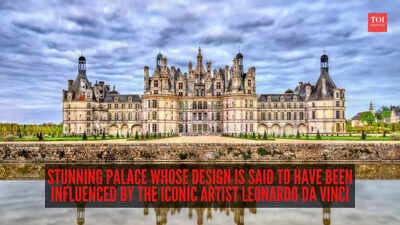
There are not many properties as spectacular as the Château de Chambord in Chambord, France in the competitive real estate world. This outstanding estate, which emerges out of the picturesque Loire Valley, is a historical monument, but it is a masterpiece in terms of size, perspective, price of land, and the aesthetic of building.
Chambord is the ultimate blend of place, design creativity, and long-term heritage.The château was commissioned in 1519 by François I of France and it was conceived as a show piece, a royal property to display power, prestige and a cultured way of living. The building lasted almost thirty years, the outcome of which was a dwelling that was well beyond the practical needs of a hunting lodge. Rather it was a representation of premium estate development in the renaissance times.
Its size and design would compete with the largest luxury projects in the world, even today.
Architectural innovation as property value
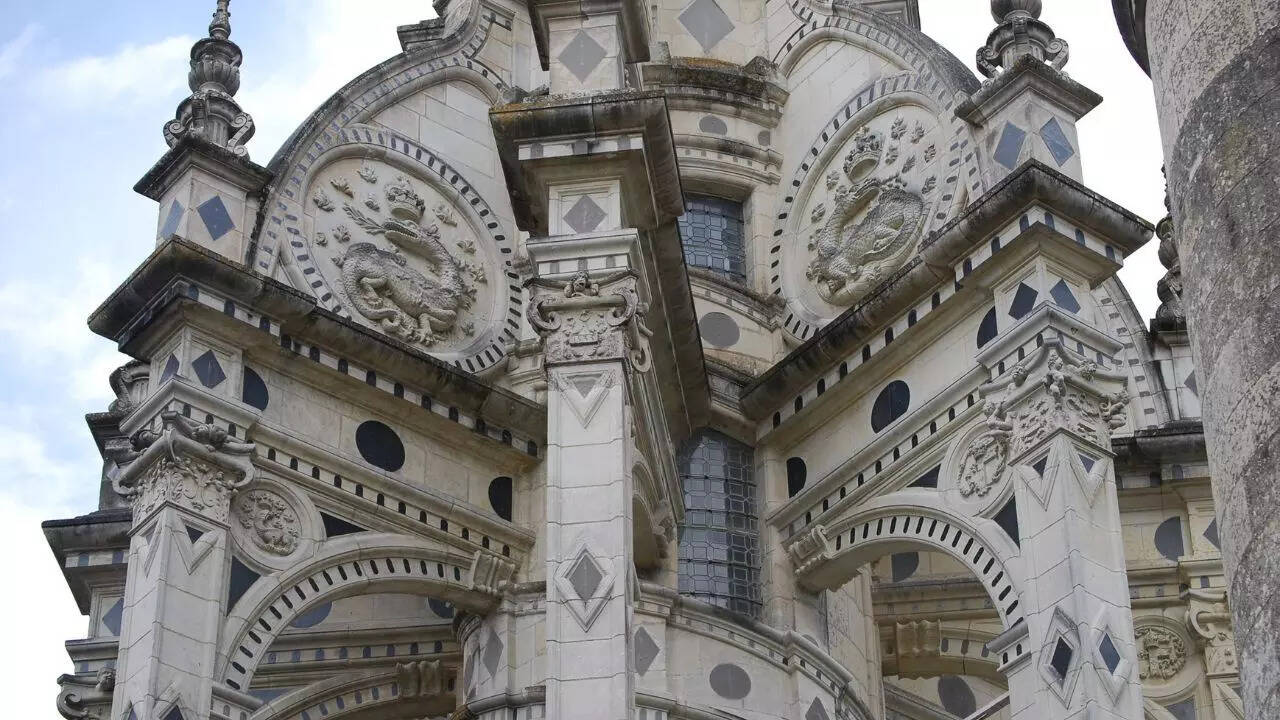
Image Credit: Canva
Château de Chambord stands as a rare example of visionary planning. The structure is organised around a central axis, with a keep shaped like a Greek cross, a layout that reflects symmetry, balance, and thoughtful spatial design. According to Wikipedia, it features 440 rooms and the château offers an expansive built-up area that speaks to both grandeur and functionality.
One of its most talked-about architectural highlights is the double-helix staircase, widely believed to have been influenced by Leonardo da Vinci, who spent his final years in France under royal patronage. From a real estate lens, this staircase is more than an artistic feature, it is a value-adding architectural innovation. Unique design elements elevate a property from impressive to iconic, and Chambord demonstrates how signature architecture can define a brand for centuries.
Scale, exterior impact and estate planning
Luxury real estate is often characterised by curb appeal and land planning, and Chambord is excellent at both. The skyline in the top with turrets, towers, domes, and detailed designed chimneys forms a dramatic silhouette, which increases its visual dominance. This outside beauty does not just enhance the beauty of a building, it also creates architectural identity which is a very crucial factor in the high-value properties.The landscape that surrounds is also important. According to Chateau de Chambord, the formal French gardens of the château, which were originally arranged in the 18th century and restored in 2017, present scrupulous estate planning. Symmetry, geometry, and large green areas provide the proportions between the built structure and free land. This in modern sense would translate to premium master planning where the landscaping would have as much value as the structure itself.
Very big estates that have gardens embedded, security access and picturesque environments have remained at the forefront of the luxury real estate markets in the world.
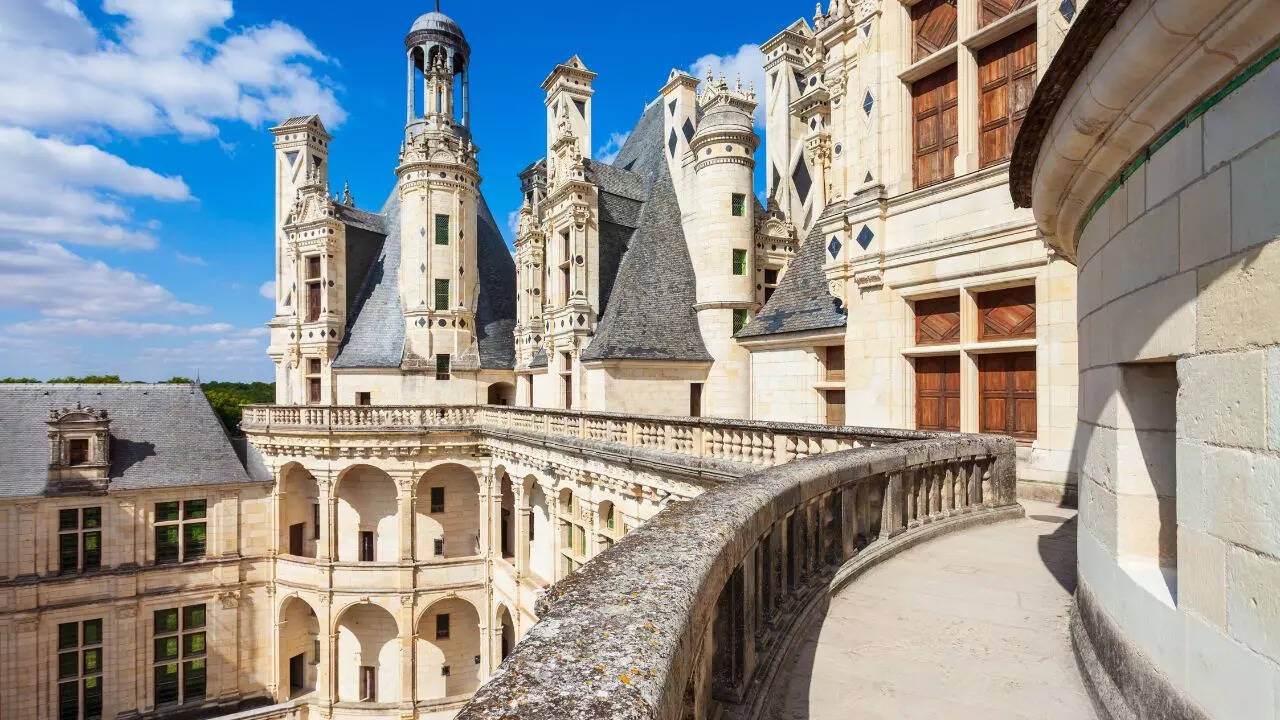
Image Credit: Canva
Location and long-term asset value
Location remains a golden rule in property investment, and the Loire Valley has historically been a region of strategic and cultural importance. Proximity to royal routes, fertile land, and natural beauty enhanced Chambord’s appeal in the 16th century, much like connectivity and environment influence property prices today.Beyond its original residential purpose, the château evolved into a heritage asset with enduring cultural and tourism value. From a real estate investment perspective, this transformation highlights how landmark properties can shift from private estates to globally recognised assets, sustaining relevance and value across centuries.
A masterpiece of legacy real estate
Château de Chambord represents more than architecture, it embodies legacy real estate.
It demonstrates how design innovation, visionary planning, expansive land use, and strategic location can create a property that transcends time. Whether or not Leonardo da Vinci directly shaped its blueprint or it was inspired by him, the château reflects Renaissance ambition and intellectual influence.Centuries after its completion, Chambord remains one of the most recognisable estates in the world. It stands as proof that when architectural brilliance meets strategic estate development, the result is not just a residence, but a timeless real estate icon.









 English (US) ·