

 54 minutes ago
4
54 minutes ago
4
ARTICLE AD BOX
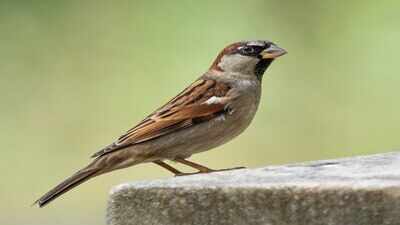
European birds were introduced to North America for nostalgic reasons. These species became aggressive competitors, displacing native birds from nesting sites. Their rapid spread disrupted natural soundscapes and agricultural practices across the continent. Image Credit: Wikimedia Commons
In the nineteenth century, towns throughout North America were booming with growth due to an influx of European immigrants who made the perilous crossing of the Atlantic Ocean to settle in the New World.
In this environment full of industry and concrete, many immigrants felt the strong pull of nostalgia for their native landscape. In an effort to give this landscape to the immigrants, many romantic societies and civic organisations chose to bring the birdsongs of the homeland with them from Europe.The first wave of this intentional avian migration began in the 1850s with the introduction of the house sparrow, a hardy little creature meant to bring a touch of the British countryside to American cities.
Decades later, in the 1890s, a separate group of enthusiasts released one hundred European starlings into New York City’s Central Park. According to a popular account, the goal was to introduce bird species mentioned in the works of William Shakespeare.What began as a romantic gesture later became a major ecological problem across the continent. As described in the article by Stanford University titled European Starlings, the introduction of the birds turned out to be a complete failure since both species managed to spread all over the continent.
The fight for nesting sitesFirst and foremost, the problem occurred because of the specific nesting behaviour of the species and their evolutionary advantages. Unlike birds that build open nests in trees, starlings and house sparrows are cavity nesters. That means they need enclosed spaces for nesting and laying eggs. Because natural hollows in mature trees are relatively rare, competition for them is intense.According to the Stanford University article, European starlings are aggressive competitors that routinely evict native birds from nesting sites. The essay highlights how starlings aggressively out-compete beautiful native species such as Eastern Bluebirds, Tree Swallows, and Northern Flickers. Even large woodpeckers can be driven out of tree cavities they have excavated.Starlings also have biological traits that give them a competitive advantage over other species.
As the Stanford article states, the European starling has jaw muscles that help it probe for insects and a skull shape that gives it good binocular vision while feeding. In addition, their tolerance of nest parasites helped their population grow rapidly, to the detriment of vulnerable native species.
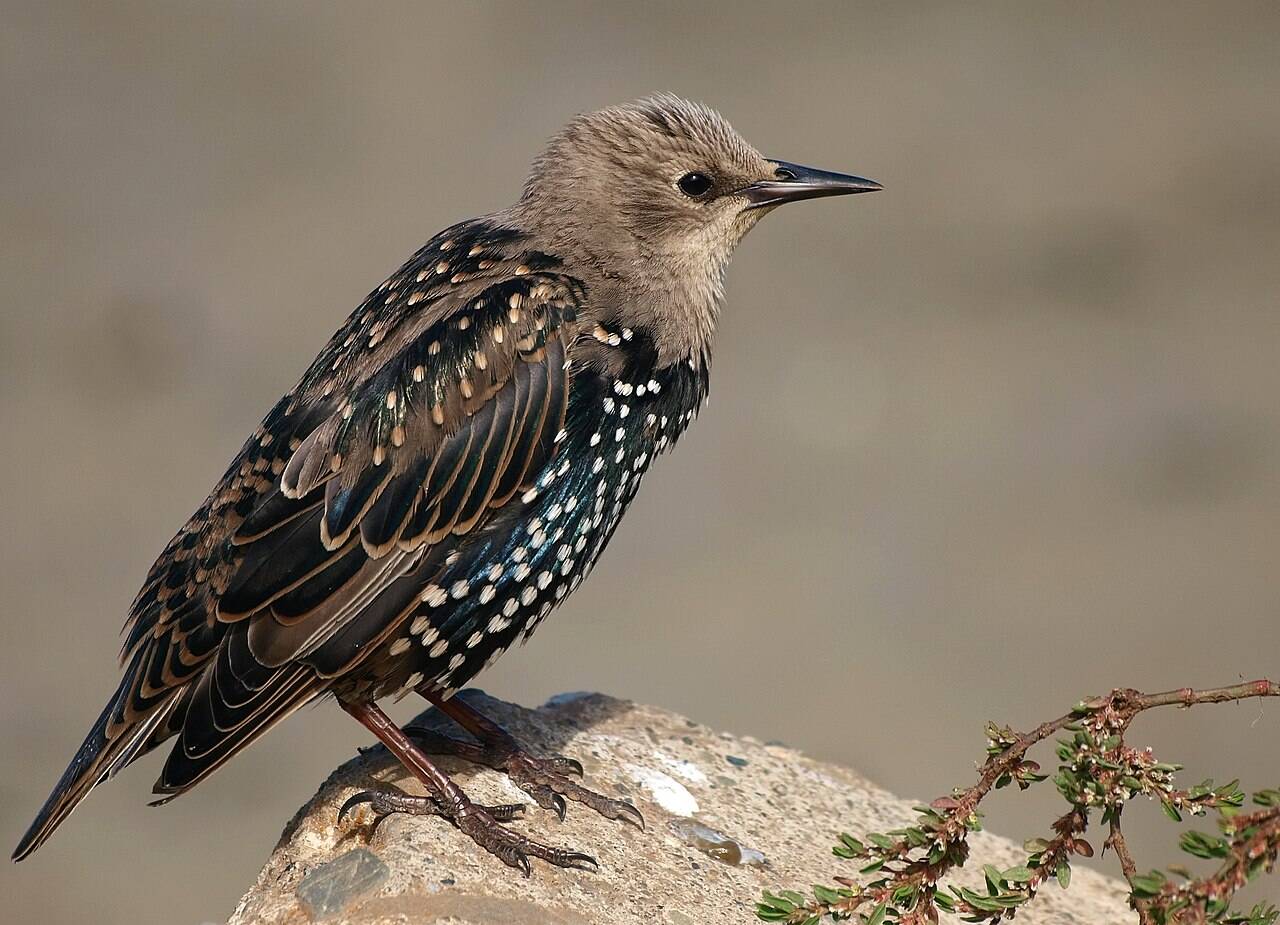
Human introductions can disrupt ecosystems even with good intentions. This event serves as a cautionary example of introducing non-native species. Image Credit: Wikimedia Commons
An unstoppable avian invasionWithin a few decades of their introduction, starlings and sparrows had a major effect on the natural soundscape and agriculture in the United States.
Forming large flocks of up to a million birds, they soon became pests after their introduction. Starlings adapted easily to the new environment, nesting on many kinds of human structures.Beyond nesting conflicts, these massive, swirling flocks, known as murmurations, wreak havoc on agricultural economies. They consume tons of grain directly from cattle feedlots, contaminate livestock water supplies with their droppings, and systematically destroy valuable fruit crops in vineyards and orchards.
The sheer scale of their foraging behaviour has transformed a sentimental cultural experiment into a multi-million-dollar annual deficit for North American farmers.Their spread shows how human introductions can disrupt ecosystems, even when the intention is well-meaning. Today, environmentalists and backyard bird-watchers help protect native songbirds by using nest boxes with carefully sized entrance holes. The effort to ease homesickness became a cautionary example of the risks of introducing non-native species.









 English (US) ·