

 1 hour ago
5
1 hour ago
5
ARTICLE AD BOX
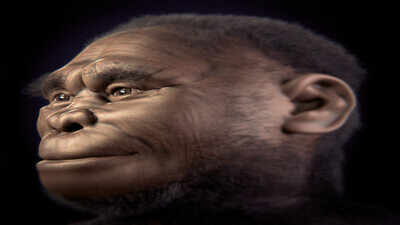
Ancient Flores hominins likely survived by scavenging large reptile leftovers. New research analysed fossilised bones and modern Komodo dragon feeding habits. Evidence shows these hominins consumed meat-poor skeletal remains after predators. Image Credit: Wikipedia
Human evolution includes a diminutive species of ancient humans discovered on a remote Indonesian island. When archaeologists first unearthed the skeletal remains on Flores, the discovery seemed almost fantastical.
Nicknamed the hobbits after the characters in classic literature, these individuals were initially described as technologically advanced survivors. For years, some researchers suggested that these tiny humans hunted large animals and used fire.However, a closer look at the evidence has challenged that picture of the prehistoric hunter. The evidence suggests they may have lived a more cautious and opportunistic lifestyle.
New scientific insights indicate that these small-bodied hominins survived in a much more modest fashion, opting to stay out of the way of the island's true apex predators and patiently waiting to claim whatever scraps were left over from the kills of terrifyingly large reptiles.To uncover the true daily habits of these ancient islanders, a scientific study was published in the journal Science Advances. The research re-examined thousands of fossilised bones excavated from the famous Liang Bua cave where the hominin remains were first found.
The new findings challenge the traditional understanding of hobbit behaviour and suggest the species may not have hunted large game or controlled fire. Instead, the evidence strongly points to a survival strategy built around passive scavenging, with the tiny humans relying heavily on the messy leftovers of prehistoric Komodo dragons.Decoding the ancient forensic puzzle at the zooThe breakthrough came from an unusual modern experiment that borrowed methods from forensic science.
To understand exactly how the bones of the ancient animals were processed, the research team travelled to Zoo Atlanta to study the feeding behaviour of a modern, captive Komodo dragon named Rinca. The researchers presented the giant reptile with a goat carcass and then carefully collected and analysed the remaining skeleton.
By using advanced scanning techniques, they were able to build a detailed reference library showing the distinct, wide tooth marks and furrows that a Komodo dragon leaves behind when it devours a meal.Armed with this fresh data, the researchers returned to the microscope to evaluate more than three thousand fossilised fragments of an extinct, cow-sized relative of the elephant known as a Stegodon, which populated the island thousands of years ago. When they mapped out the locations of the markings, the pattern was unmistakable. The deep tooth scores left by the predatory reptiles were heavily concentrated on the choice, meat-rich areas of the skeletons, such as the hips and shoulders.
Conversely, the stone-tool cut marks made by the tiny humans were found almost exclusively on the meat-poor leftovers, including the toes, vertebrae, and skull fragments. This pattern suggests the lizards ate first, leaving the hominins to scrape the remaining meat.
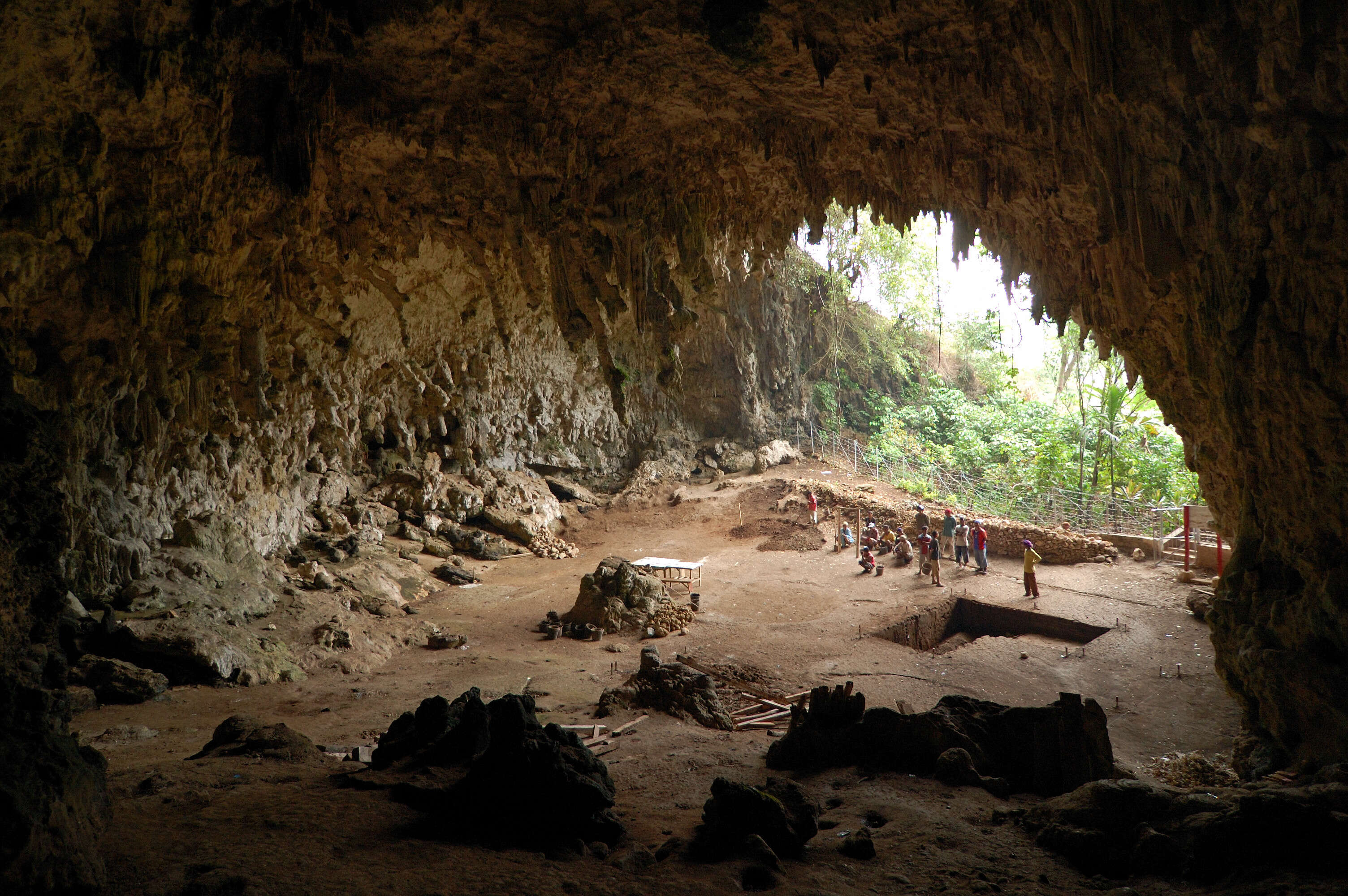
Evidence re-examined thousands of fossilised bones excavated from the Liang Bua cave shows these hominins consumed meat-poor skeletal remains after predators. Charred bones previously thought to indicate fire use were from later human arrivals. Image Credit: Wikipedia
A cold reality without hunting or fireThis shift in understanding also raises questions about their technical abilities. For years, the presence of charred animal bones inside the cave layers was interpreted as proof that these small-brained humans had tamed fire to cook their meals and keep warm.
However, when the research team analysed over four thousand ancient rodent and small mammal bones from the specific sediment layers tied to the hominins, they found a complete lack of fire damage.
The isolated burned fragments were found in the site actually belonged to much later layers occupied by modern humans, who arrived tens of thousands of years after the original inhabitants had already disappeared from the island.Without evidence that they built fires or used throwing weapons, their daily routine likely depended on patience and survival. The hominins may have avoided active confrontation and waited until the reptiles had moved on. This perspective is more consistent with the limited brain volume of the species.The study may influence how anthropologists think about this part of our family tree. It suggests that the species may have branched off from an earlier human lineage with different behavioural traits. The Flores hominins persisted on an island with large predatory lizards for thousands of years.









 English (US) ·