

 1 week ago
12
1 week ago
12
ARTICLE AD BOX
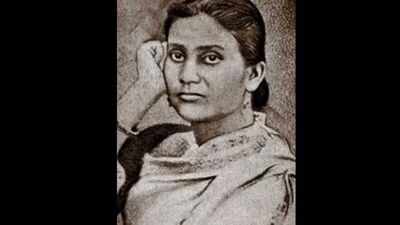
image credits: Instagram/the.local.nation
Today, seeing a woman in a white coat is completely normal. Women lead hospitals, perform complex surgeries, and head medical institutions across the country. But there was a time when society believed a woman's place was only inside the home.
More than 140 years ago, one woman dared to challenge that belief. Her name was 'Kadambini Ganguly', and every step she took came with criticism, humiliation, and resistance. People questioned her education, her marriage, her career, and even her character. Yet she refused to stop. Her story isn't just about becoming a doctor. It's about proving that a woman's dreams deserve respect, even when society refuses to give it.
A father who believed his daughter deserved an education
6 May 2026 | 16:56
What are the three things that make you instantly happy?
Kadambini Ganguly was born in 1861 in Bhagalpur. At a time when educating girls was considered unnecessary, her father, Brajakishore Basu, believed otherwise. He was associated with the Brahmo Samaj, a reform movement that strongly supported women's education. While many girls of her age were expected to prepare for marriage, Kadambini was encouraged to study. That decision changed history.Walking into a classroom where women were never expected to be In 1884, Kadambini entered Calcutta Medical College, becoming one of the first women to study there.
It wasn't an easy journey. The idea of men and women studying medicine together was considered inappropriate. During lectures, Kadambini and the other women students were made to sit behind a **purdah (screen)** so male students wouldn't have to see them learning anatomy and medicine.
Even after completing her training, many people refused to accept that a woman could be a capable doctor. But Kadambini refused to let prejudice define her future.
Marriage never stopped her dreams
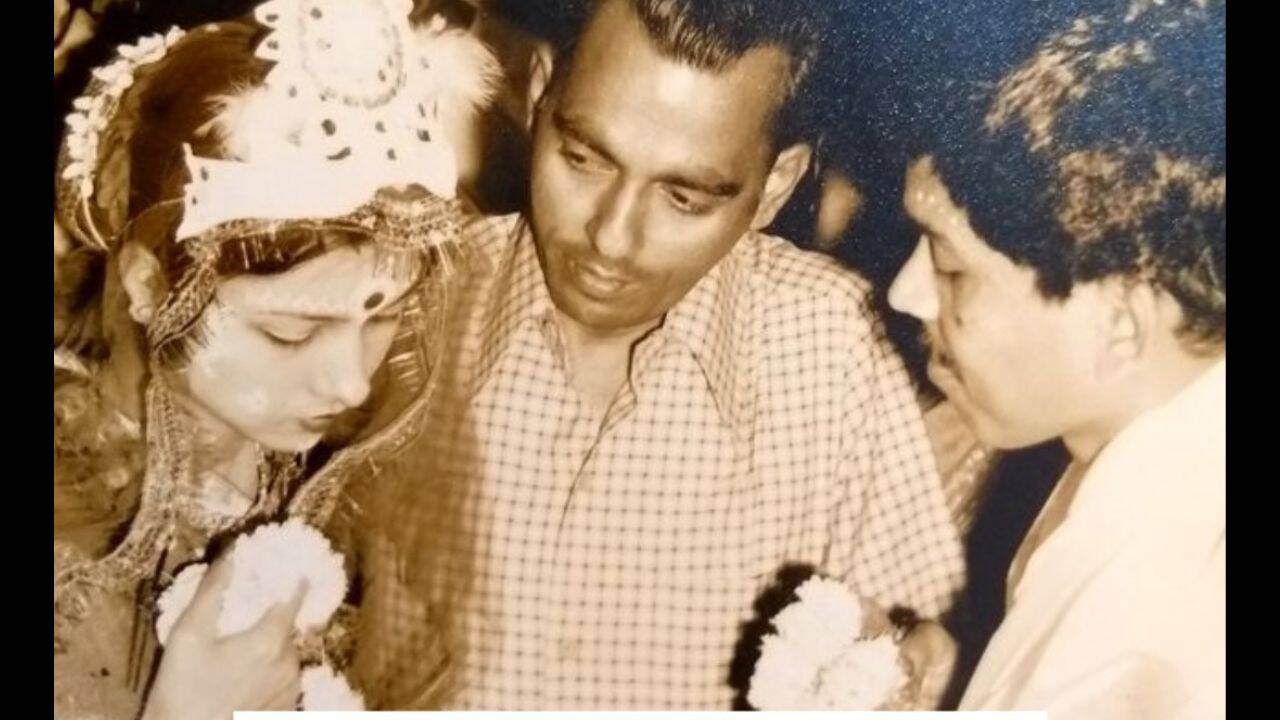
image credits: Instagram/the.local.nation
Around the same time, she married Dwarkanath Ganguly, a well-known social reformer and a strong supporter of women's rights. He was a widower and 17 years older than her. In those days, marriage often marked the end of a woman's ambitions. For Kadambini, it became the beginning of an even bigger journey. She balanced family life with her profession and eventually became the mother of eight children.
She made history and then went even further
In 1886, Kadambini became one of the first Indian women licensed to practice Western medicine, alongside Anandibai Joshi.
But she wanted to strengthen her qualifications further. In 1893, she travelled alone to the United Kingdom, something very uncommon for an Indian woman at that time. There, she earned the prestigious 'Triple Diplomas' from 'Edinburgh, Glasgow, and Dublin' in medicine, surgery, and gynaecology, becoming the **first Indian woman** to achieve this remarkable milestone.
When she returned to India, she established herself as a respected medical professional.
She treated those who had nowhere else to go
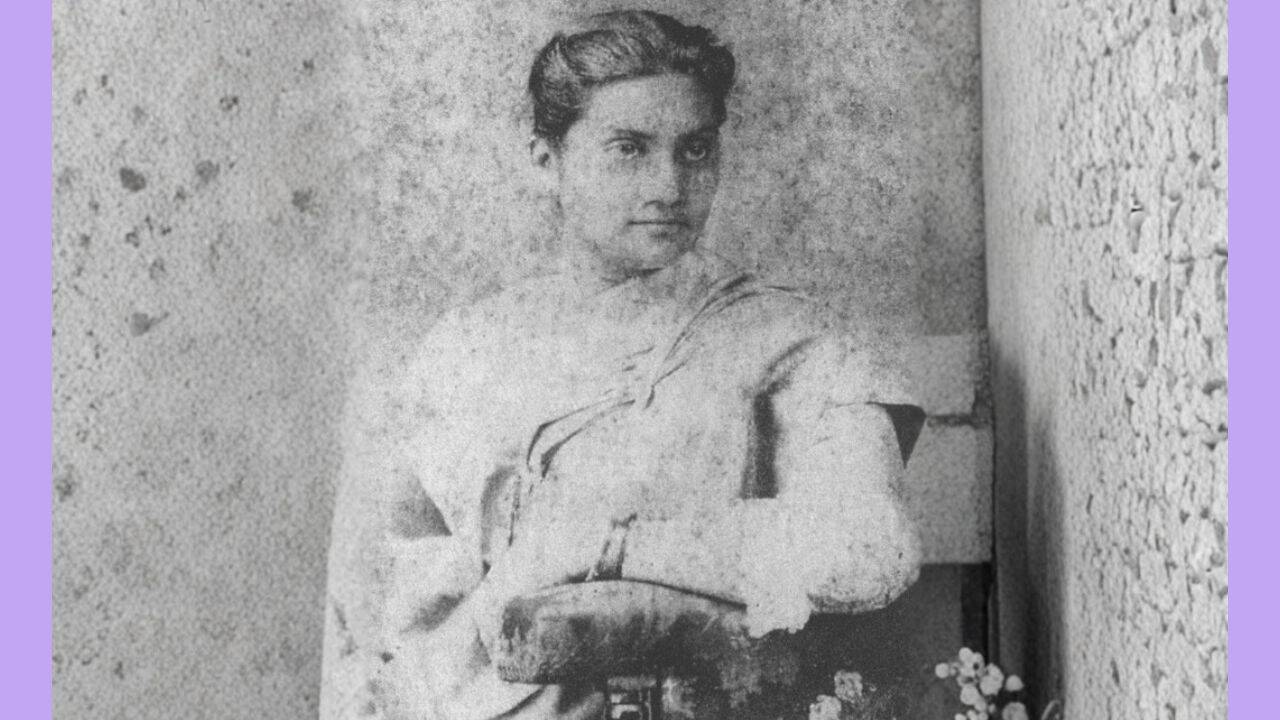
image credits: Instagram/the.local.nation
Kadambini wasn't interested in fame. She treated women who felt uncomfortable consulting male doctors, cared for coal mine workers in Bengal, and even served as the physician to the 'Queen Mother of Nepal.' Her work focused on helping people who genuinely needed medical care. Even motherhood didn't slow her down. Reports suggest she returned to work just '13 days after giving birth', balancing her responsibilities as both a doctor and a mother.
When society insulted her, she fought back
Success did not protect Kadambini from sexism. In 1891, the conservative Bengali newspaper Bangabasi published an article calling her a "wh*re" simply because she worked outside the home. Many women at the time would have been expected to remain silent. Kadambini chose a different path. She took the editor to court and won. The court ordered a public apology, and the editor was sentenced to six months in prison. It became one of the earliest examples of a woman publicly fighting back against character assassination.She also gave women a voice in public life. Kadambini's influence extended far beyond hospitals. In 1889, she became one of the first six women delegates to attend the Indian National Congress and was the first woman to address one of its sessions. At a time when women were rarely allowed to speak in public, she stood before national leaders and proved that women deserved a place in shaping India's future. She consistently spoke about women's education, dignity, and equal opportunities.
She remained a doctor until her final day
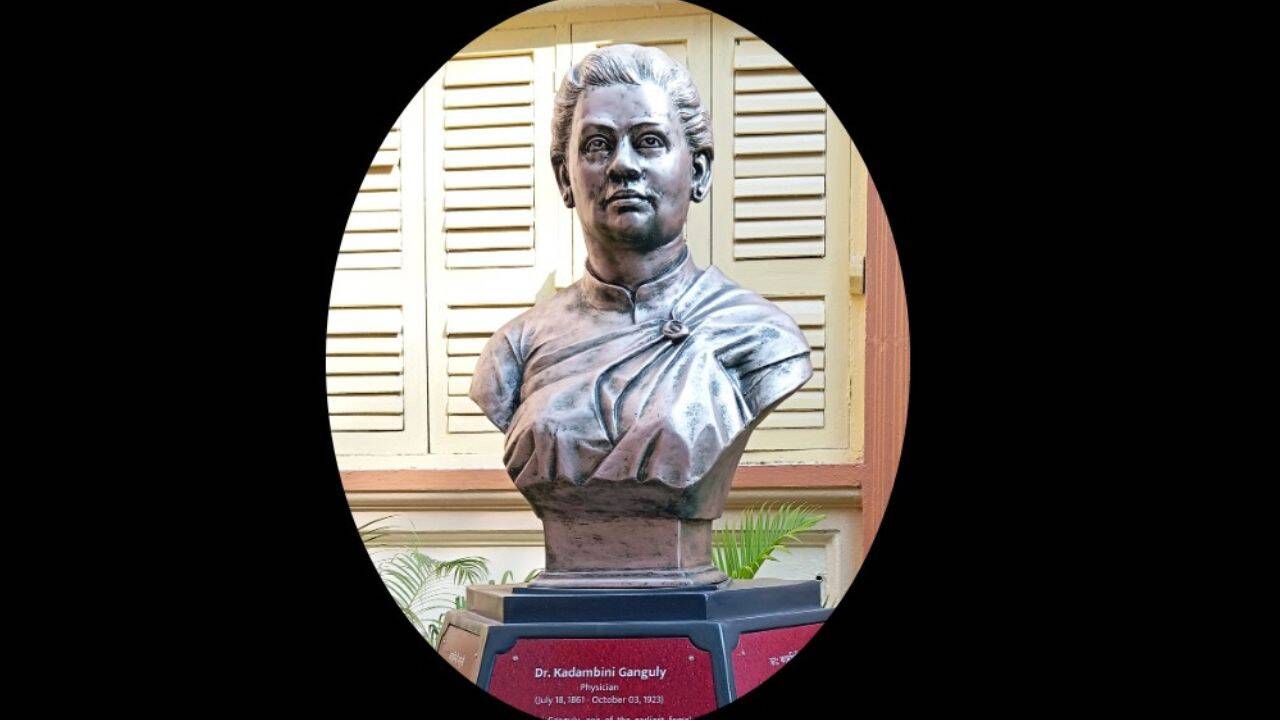
image credits: Instagram/the.local.nation
Kadambini never truly retired. In 1923, after returning home from treating a patient during a house call, she collapsed. She passed away shortly afterward. Just minutes before her death, she had been doing what she had dedicated her entire life to, caring for someone else. Her greatest achievement wasn't becoming a doctor, it was changing what society believed women could doKadambini Ganguly's life reminds us that progress often begins with one person refusing to accept unfair rules.
She was mocked for studying, criticised for working, insulted for stepping outside traditional expectations, and constantly told she didn't belong. Yet she kept moving forward.Today, thousands of women walk confidently into hospitals as doctors, surgeons, and specialists. That path exists because pioneers like Kadambini Ganguly chose courage over acceptance. They questioned her right to work. They questioned her character. They questioned whether a woman belonged in public life at all. History answered those questions for her.








 English (US) ·