

 1 week ago
4
1 week ago
4
ARTICLE AD BOX
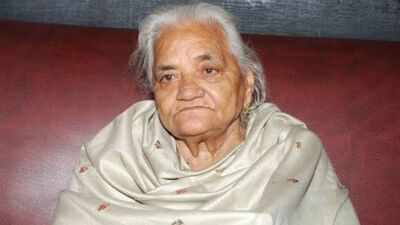
After losing her pregnant daughter to alleged dowry violence, Satya Rani spent 34 years fighting so that no other family would hear the words 'accidental death' again. In the late 1970s and early 1980s, the deaths of newly married women were often brushed aside as "kitchen accidents.
" A young bride would die in a fire, and many cases would end without serious investigation. Behind many of these so-called accidents were allegations of dowry harassment, but justice was rare. For Satya Rani, this wasn't just a disturbing reality; it became her life's mission.In 1979, her 20-year-old daughter, Shashi Bala, who was six months pregnant, died after being set on fire following alleged dowry demands.
Instead of treating it as a possible crime, the case was reportedly dismissed as a kitchen accident. But Satya Rani refused to accept that explanation. She would spend the next 34 years fighting not only for her daughter but also for thousands of women she would never meet.
6 May 2026 | 16:56
What are the three things that make you instantly happy?
A mother's fight began with unimaginable loss
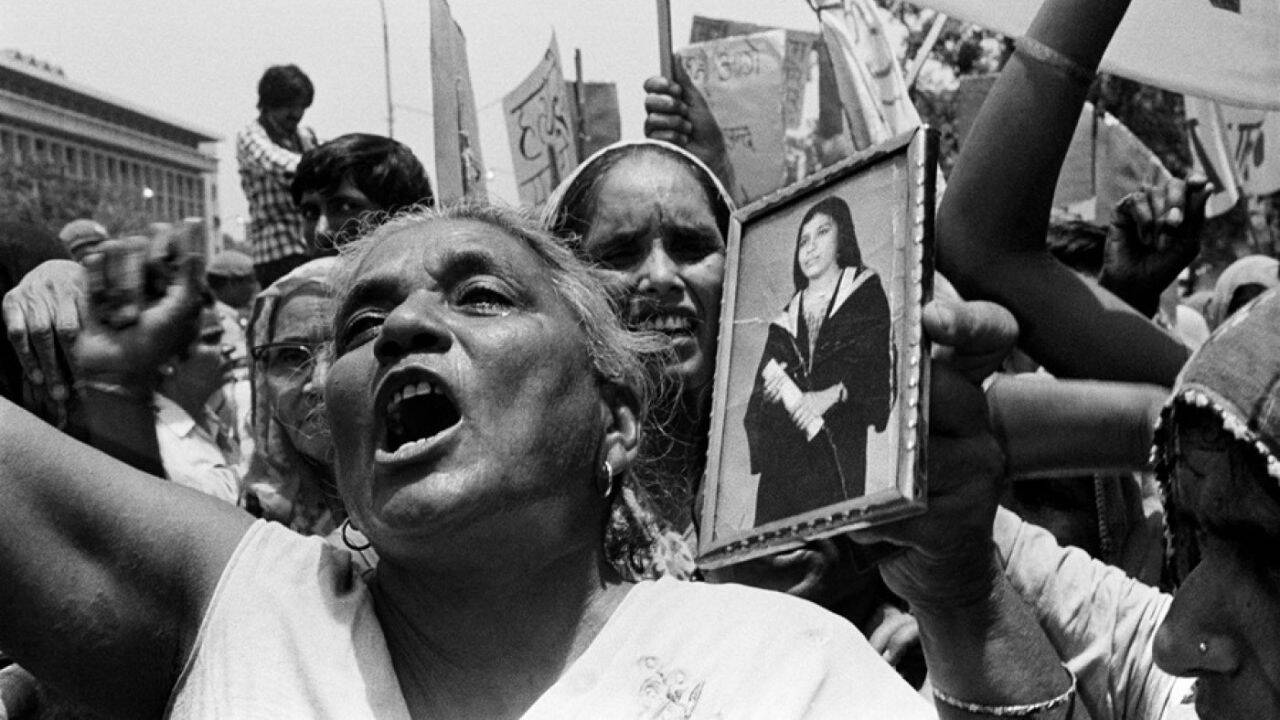
Shashi Bala had been married for only a short time when, according to her family, she began facing harassment over dowry. Then came the devastating news.
She was burned to death while six months pregnant. For Satya Rani, the loss was unbearable. Yet what hurt almost as much was the system's response. The case failed to bring the justice she believed her daughter deserved. Determined not to let Shashi's death be forgotten, Satya Rani pursued the case all the way to the Supreme Court.
Even though she did not see the outcome she had hoped for, she refused to stop fighting.
Turning grief into a movement
Many people would have given up after years of legal battles.
Satya Rani chose a different path. Alongside another mother who had also lost her daughter to dowry-related violence, she founded Shakti Shalini, a Delhi-based organisation dedicated to supporting women facing domestic violence and dowry harassment. What started as personal grief soon became a larger movement.The organisation provided shelter, legal guidance, counselling, and hope to women trapped in abusive marriages.
Satya Rani believed that if justice had not reached her own daughter, she would do everything possible to ensure it reached others. She is remembered for saying, "If justice did not come to my daughter, I would fight so it reaches others."
Helping change how India viewed dowry deaths
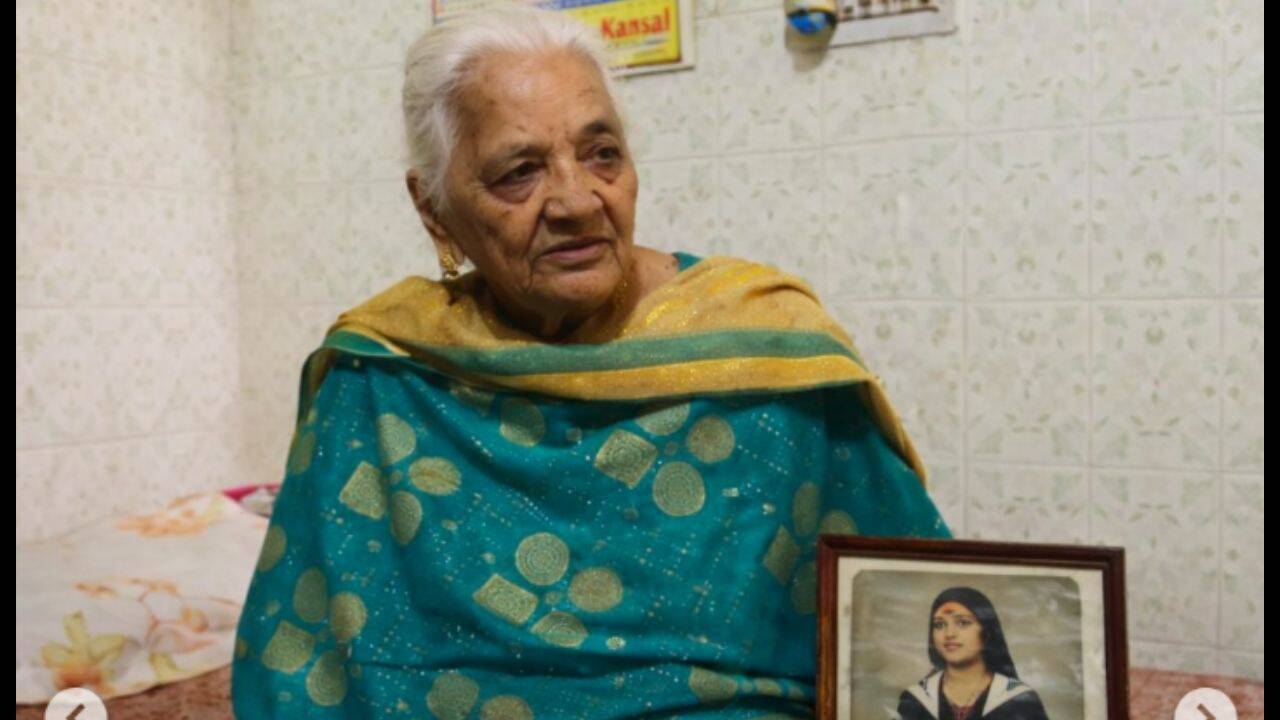
Satya Rani's activism became part of a broader nationwide movement demanding stronger protection for married women. The growing public outrage over dowry deaths led to important legal reforms.
Among them were 'Section 498A of the Indian Penal Code,' introduced in 1983 to address cruelty by a husband or his relatives, and 'Section 304B,' introduced in 1986, which specifically defined and punished dowry deaths.
The law also strengthened rules of evidence, making it harder to dismiss suspicious deaths of married women as mere accidents. These legal changes marked a turning point in India's fight against dowry-related violence.
Justice never came for her daughter
Despite decades of determination, Satya Rani never saw her daughter's husband convicted. According to accounts of the case, he disappeared before he could be arrested. For many, that would have marked the end of the fight. For Satya Rani, it became the beginning of a larger purpose. She continued working through Shakti Shalini, helping survivors rebuild their lives and giving countless women the support she wished her own daughter had received.
A legacy that lives beyond one case
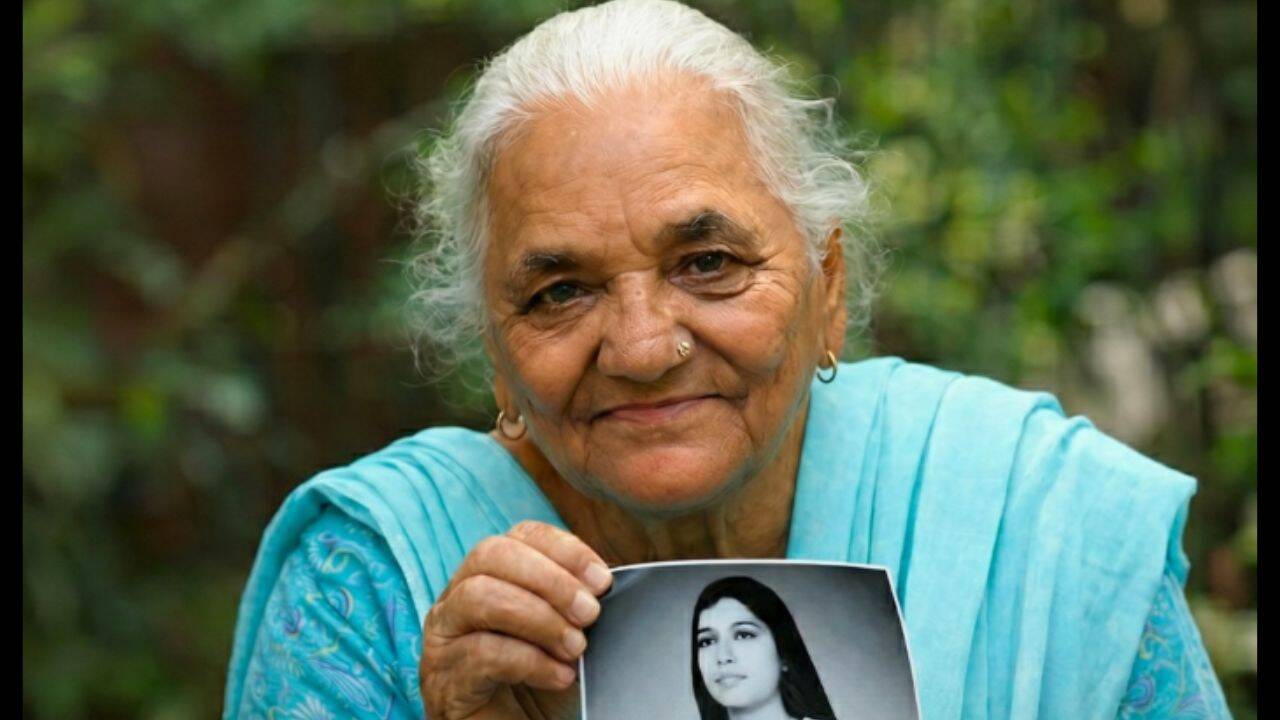
Satya Rani's story is not only about a mother seeking justice. It is about refusing to let one tragedy become another forgotten statistic. Her courage helped keep public attention on the issue of dowry violence at a time when many families remained silent. Together with other activists and women's organisations, she contributed to reforms that changed how dowry deaths were investigated and prosecuted in India.Today, her daughter's life is remembered not only for the injustice she suffered but also for the movement her mother helped strengthen. Sometimes, one person's grief can become the force that changes a nation. Satya Rani could not save her daughter. But through decades of courage and determination, she helped ensure that countless other daughters had a stronger chance of receiving justice.








 English (US) ·