

 13 hours ago
7
13 hours ago
7
ARTICLE AD BOX
Last Updated:February 06, 2026, 14:41 IST
The UK has rolled out its first battery-only passenger train, one that has already set a world record in trials.
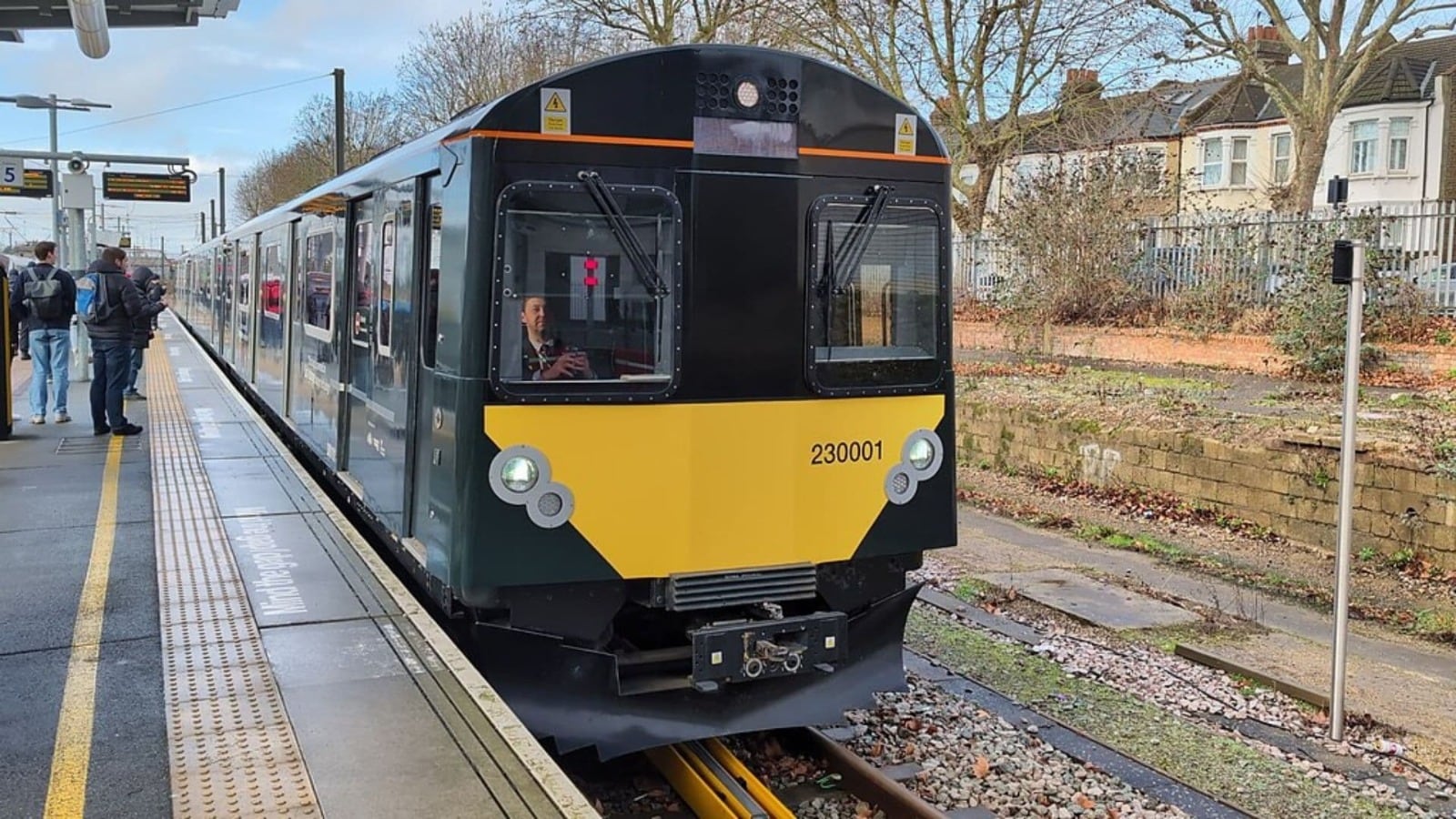
A new milestone in UK rail travel has quietly begun. The nation’s first-ever battery-only powered passenger train has entered service, promising cleaner, quieter journeys. Operating on a small branch line in West London, the train may seem ordinary at first glance, but its technology is anything but. This train not only replaces diesel engines but has also already broken a world record during trials. Passengers boarding the GWR Class 230 might not realise that they are riding on a train that could reshape the future of UK rail transport.
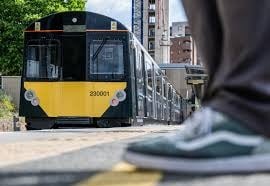
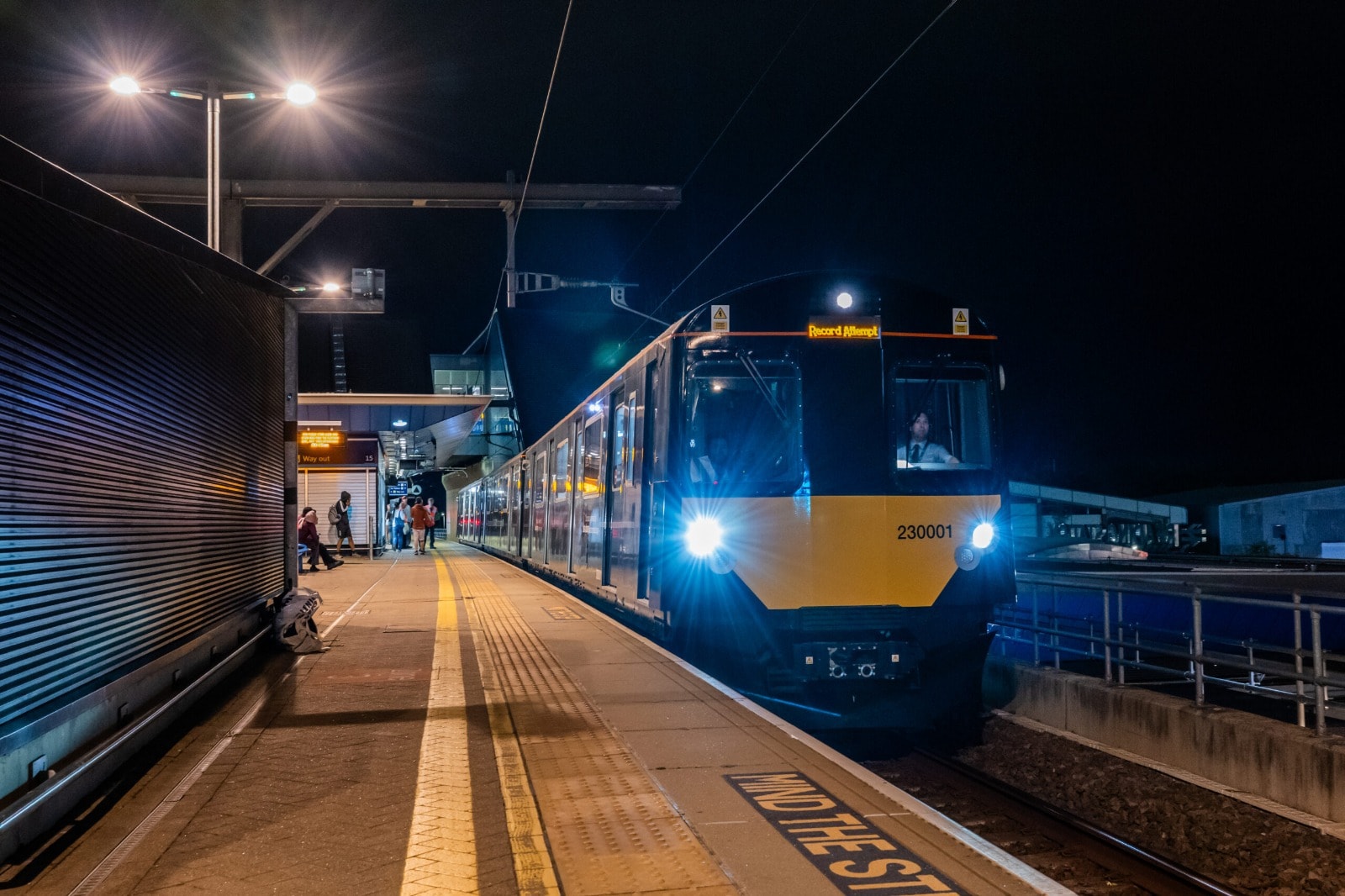
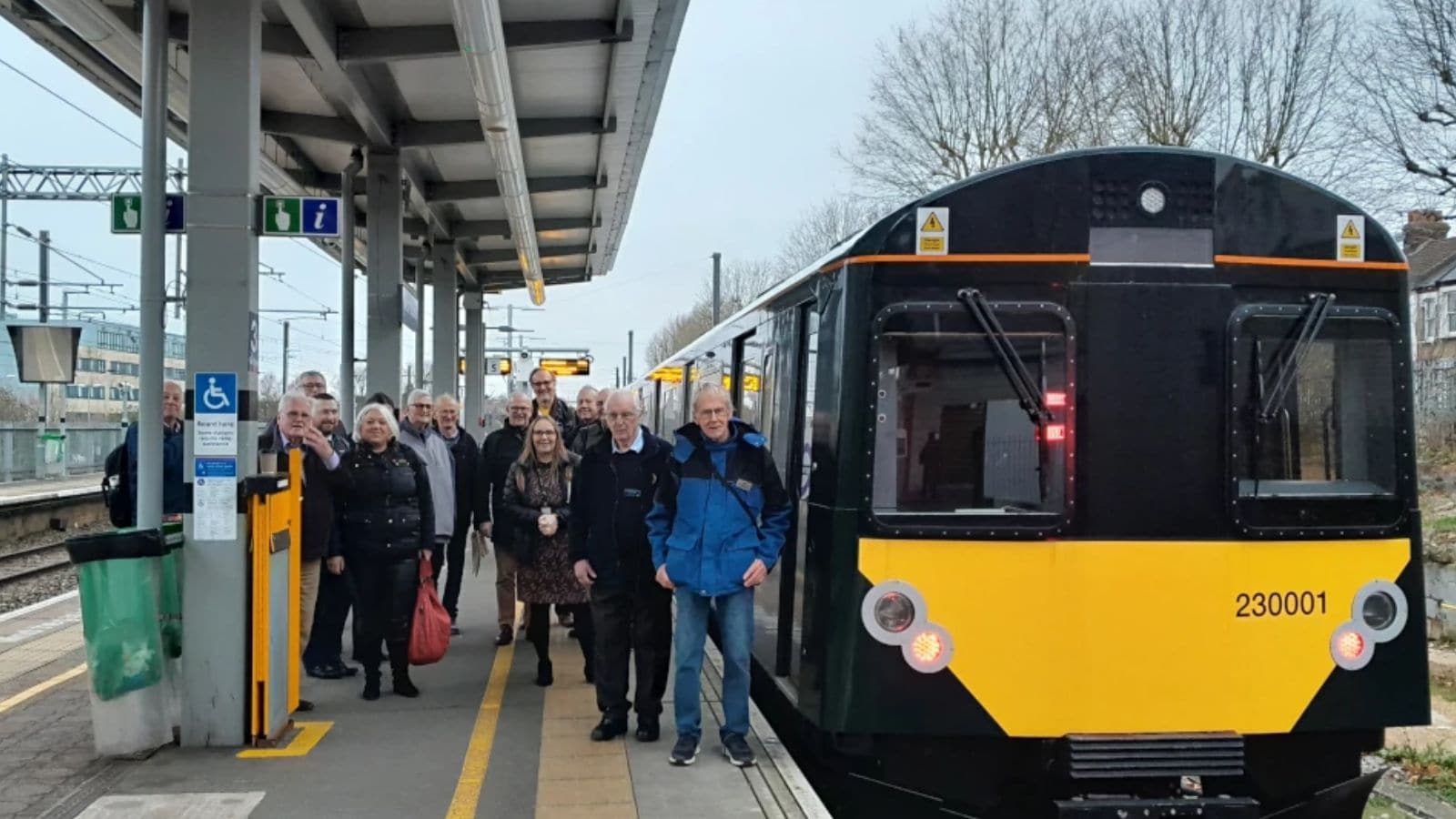
The Great Western Railway (GWR) Class 230 battery train now runs on the Greenford branch line, a five-mile return route from West Ealing to Greenford. It replaces the diesel trains previously used on this line. The route includes four stops and takes around 12 minutes each way. Initially, the train will operate passenger services on Saturdays, with plans to expand as the train’s performance in real-world conditions is studied. This marks the first time in UK history that a fully battery-powered train carries paying passengers on a scheduled route.The Great Western Railway (GWR) Class 230 battery train now runs on the Greenford branch line, a five-mile return route from West Ealing to Greenford. It replaces the diesel trains previously used on this line. The route includes four stops and takes around 12 minutes each way. Initially, the train will operate passenger services on Saturdays, with plans to expand as the train’s performance in real-world conditions is studied. This marks the first time in UK history that a fully battery-powered train carries paying passengers on a scheduled route.
Before entering service, the GWR Class 230 completed a 22-month trial of rapid charging technology along the Greenford branch line. During these tests, the train covered 200.5 miles on a single charge, setting a world record for the longest distance travelled by a battery-electric train. The previous record, held by Stadler Deutschland in 2021, was 139 miles. The trials tested the train under various conditions, including multiple stops, passenger loads, and different weather scenarios, proving the battery system’s reliability for daily passenger service.
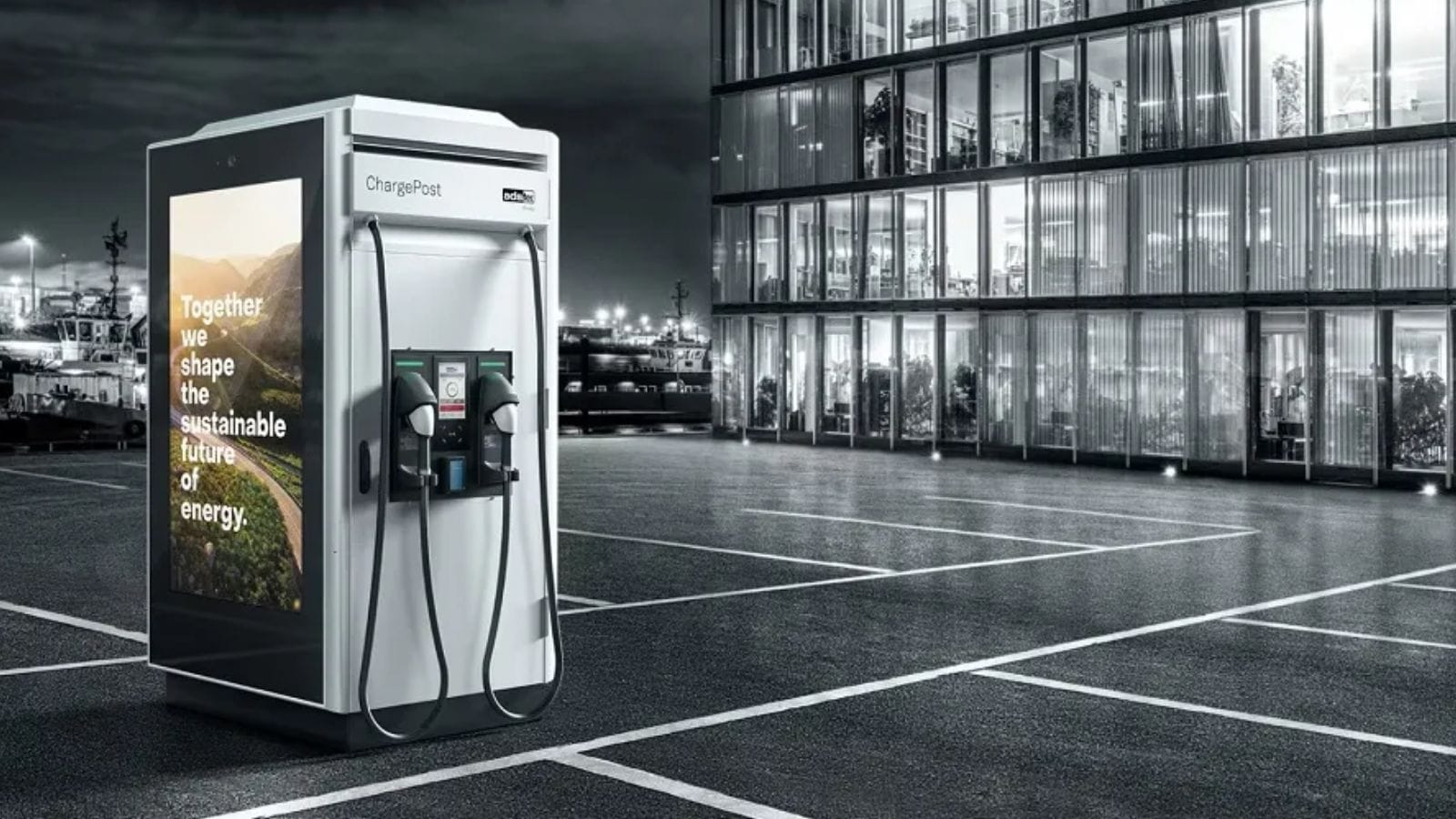
A key feature of the train is its fast-charging system. At West Ealing station, the battery recharges in just 3.5 minutes between trips using a 2,000 kW charger connected to a few meters of rail. The charging rail becomes live only when the train stops directly above it. This system ensures that the train can complete multiple return trips on the branch line without running out of power. Network Rail and GWR worked together to install these chargers and ensure that the setup is safe and reliable for regular passenger operations.
Network Rail played a crucial role in preparing the infrastructure for battery trains. They installed the fast-charge battery banks and helped with safety reviews to make sure the train and charging system were ready for public service. The collaboration ensured the new technology could function safely on an existing track without major upgrades. In a statement, Marcus Jones, Network Rail’s Western Route Director, said, “Rail is already the greenest form of public transport, and battery-powered trains will play a crucial role in our commitment to a low-emission railway and ambition to reach net zero by 2050.”
GWR shared trial results in a white paper released in July 2025, detailing how often and how quickly the battery can recharge to allow uninterrupted service. In a statement, Simon Green, GWR’s Engineering Director, stated, “Our fast-charge trial has successfully demonstrated that battery technology offers a reliable and efficient alternative to power electric trains, in cases where overhead lines aren’t possible or desirable.” The study concluded that battery trains could serve routes without full electrification while maintaining operational efficiency and helping the railway reduce carbon emissions.
Battery-electric trains are part of GWR’s plan to reduce diesel dependence and cut carbon emissions across the rail network. “Delivering the train into passenger service will enable us to gain further insight which can be fed into our own decarbonisation plans, as well as those of the wider rail industry,” Simon Green added in the statement. Battery trains offer the same speed and capacity as diesel units but run quietly and without smoke, making them ideal for suburban and urban routes. This innovation supports the UK’s goal to modernise public transport while reducing its environmental footprint.
GWR plans to gradually replace its diesel fleet with battery-electric trains over the next decade. The operator noted that future trains must travel more than 60 miles per charge to cover longer routes. The Class 230 is the first step in this transition, with plans to introduce additional battery trains once performance data is collected from real-world operations. GWR aims to expand services and eventually implement this technology across more lines, potentially making battery-electric trains a standard mode of passenger transport in the UK.
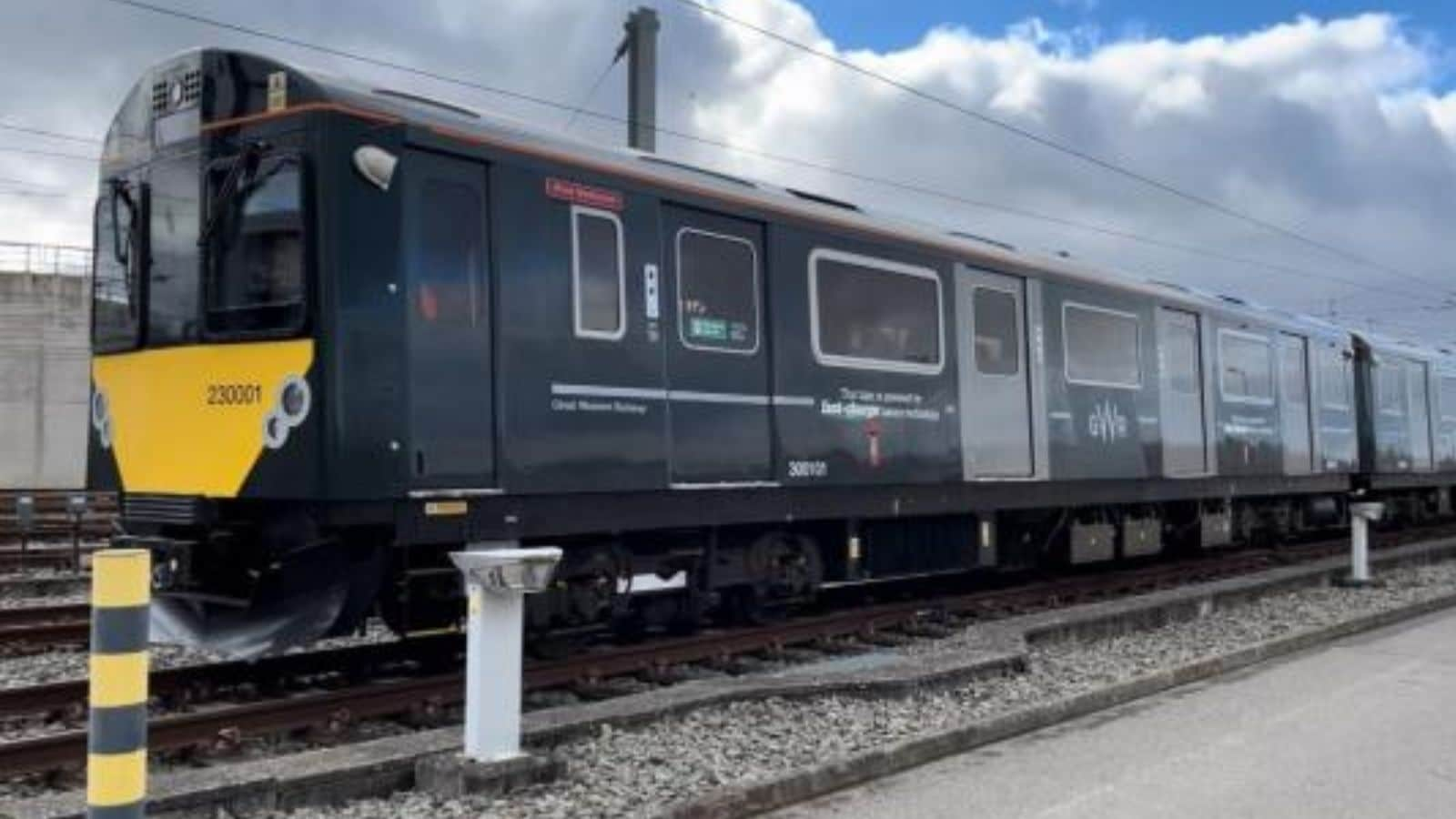
The new Class 230 battery train provides a smooth and quiet ride for commuters. Operating on the West Ealing to Greenford branch, it stops at four stations and recharges rapidly between trips. Passengers can now enjoy the benefits of a zero-emission, modern electric train without worrying about overhead wires. The short route allows GWR to monitor performance and gather feedback, which will help plan future routes and schedules for other battery-powered services. The trial has demonstrated that passengers can enjoy a green, efficient, and reliable travel experience on battery trains.
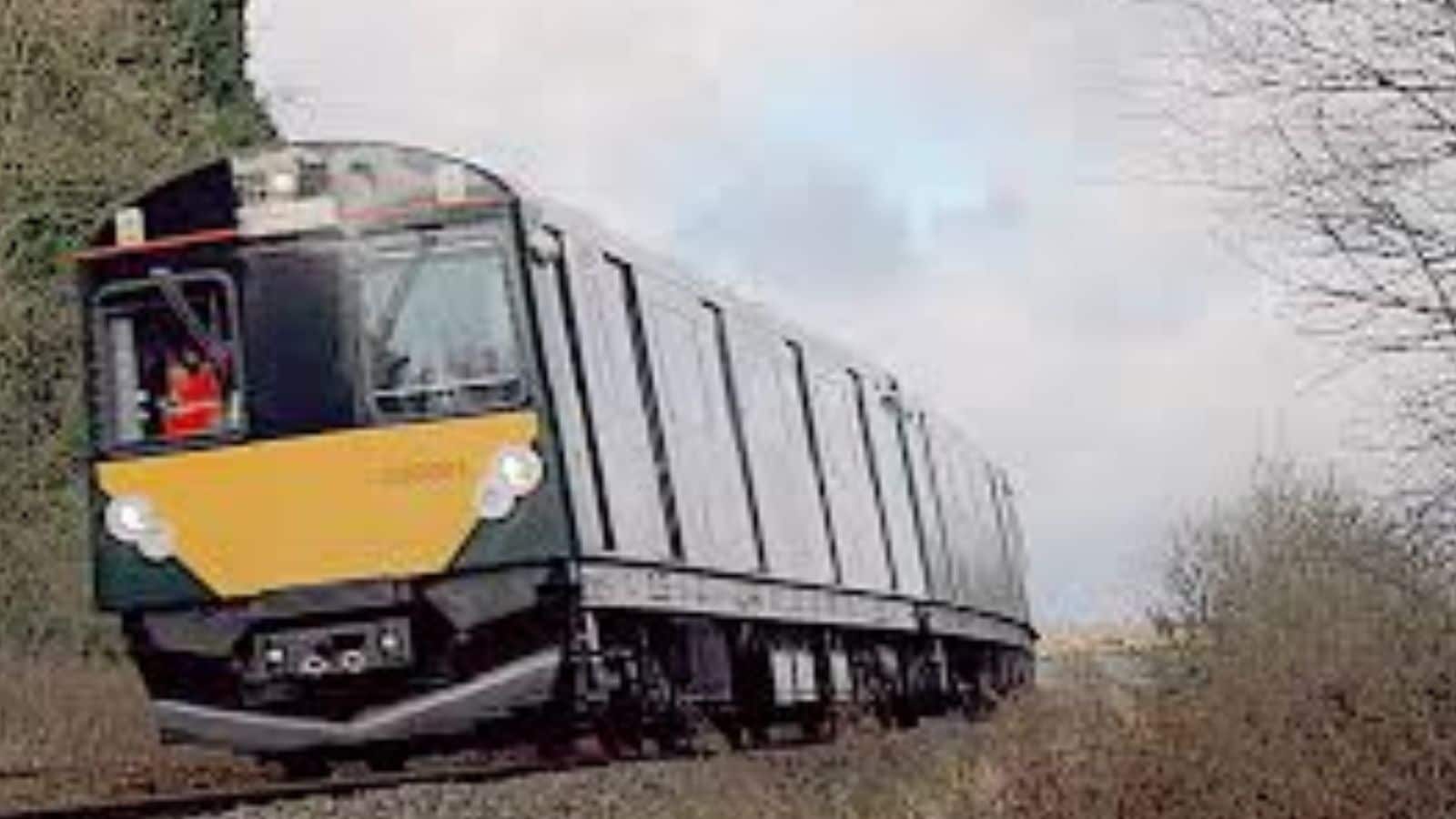
The introduction of the GWR Class 230 battery-powered train marks a historic moment for UK railways. With its world record for distance travelled on a single charge, rapid recharging capability, and quiet, emission-free operation, the train demonstrates the potential for greener public transport. GWR and Network Rail will continue monitoring their performance, safety, and efficiency to inform future projects. As Simon Green noted, this step brings the UK closer to a low-emission railway and net-zero goals, proving that innovation can transform even short, suburban lines into sustainable transport solutions.
News Photogallery viral This Battery Train Just Changed The Future Of Rail Travel: Want To Know How?









 English (US) ·