

 8 hours ago
5
8 hours ago
5
ARTICLE AD BOX
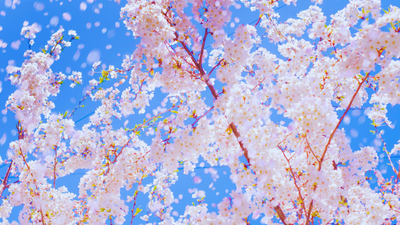
Japanese authorities in Fujiyoshida, a picturesque town near Mount Fuji, have cancelled their annual cherry blossom festival this year, citing an unmanageable surge in tourist numbers that has begun to seriously affect daily life for locals.
The decision brings an abrupt end to a decade-old spring event that had turned the town into one of Japan’s most photographed sakura destinations. During peak cherry blossom season, as many as 10,000 visitors a day now arrive in Fujiyoshida, drawn by the rare combination of cherry trees in full bloom framed against Mount Fuji’s snow-capped slopes. But what was once seen as a boost to local tourism has increasingly been described by authorities as a crisis.
“We have a strong sense of crisis,” Fujiyoshida mayor Shigeru Horiuchi said while announcing the cancellation. “To protect the dignity and living environment of our citizens, we have decided to bring the curtain down on the 10-year-old festival.”
From tourism push to overtourism problem
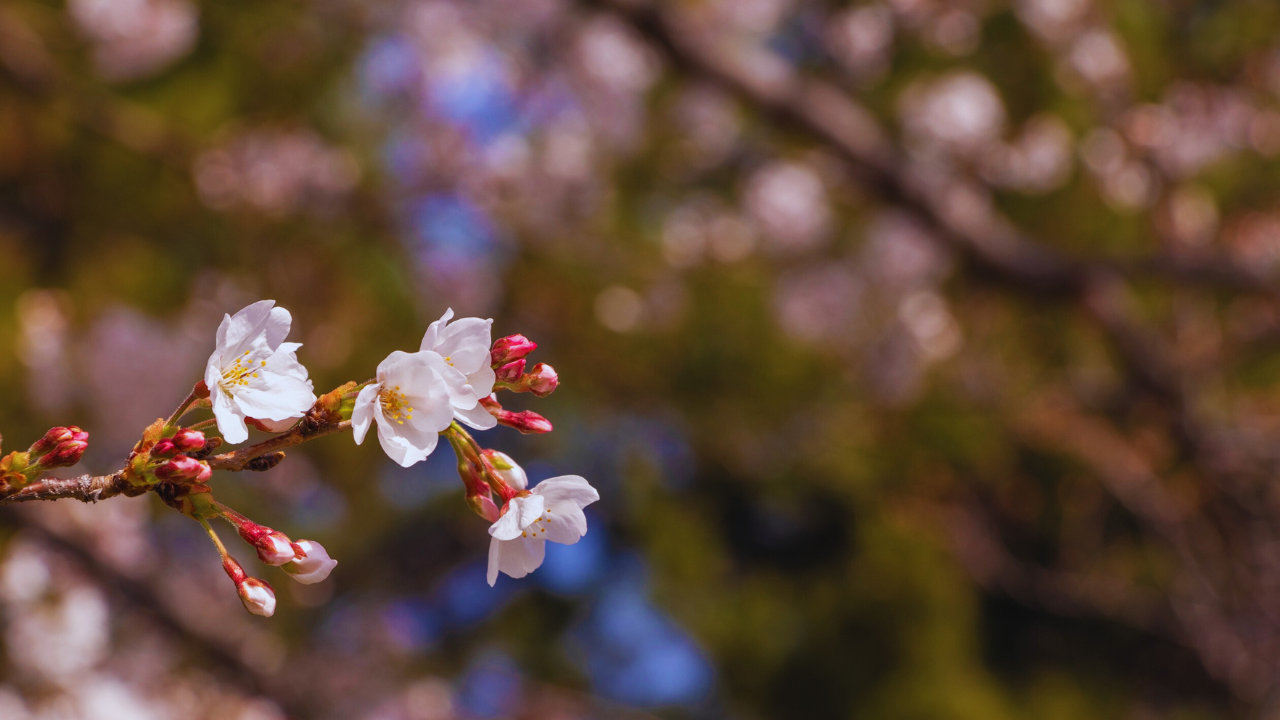
The festival began in 2016, when city authorities opened the gates of Arakurayama Sengen Park to host visitors during the cherry blossom season. Home to a pagoda overlooking the town, the park quickly became famous for its sweeping panoramic views and “Instagrammable” spots that blended traditional architecture, sakura trees and Mount Fuji in a single frame.
Officials initially hoped the event would create a lively atmosphere and enhance the town’s appeal. Instead, they say visitor numbers have “increased dramatically, exceeding the city’s capacity and resulting in overtourism.”Read more: Indian skies perfect for stargazing, and why February is the best time Residents have complained of chronic traffic congestion, overflowing rubbish, and increasingly intrusive behaviour. According to statements released by the city, tourists have been reported trespassing on private property, opening residents’ doors without permission to use toilets, littering, and in some cases even defecating in private gardens.
Authorities also noted incidents of visitors causing disturbances when confronted by homeowners.
The surge has been driven by multiple factors, including the weak yen, which has made Japan more affordable for overseas travellers, and the explosive reach of social media platforms that rapidly amplify visually striking locations.
Festival cancelled, visitors still expected
Despite cancelling the official festival, Fujiyoshida authorities acknowledge that large crowds are still likely in April and May, when cherry blossoms typically reach full bloom.
The city says it is preparing for increased footfall even without organised events, underlining how difficult it has become to control visitor flows once a destination gains global visibility online.
A wider issue across Japan
Fujiyoshida is not the first place near Mount Fuji to take drastic steps. In 2024, officials in Fujikawaguchiko erected a large black barrier to block views of one of the area’s most famous photo spots. Residents there had accused tourists, particularly those chasing viral images, of littering, jaywalking and parking illegally.Read more: This tiger reserve near Delhi is an interesting mix wildlife adventure and spirituality
Global cities push back against overcrowding
Elsewhere, European cities are experimenting with new measures to rein in tourist numbers. Italian authorities recently introduced a €2 fee to access the viewing area of the Trevi Fountain in Rome, a site that had previously been free to visit. Officials say the fee will help manage crowds and fund maintenance of the historic monument. In Venice, day trippers visiting on select days between April and July are now required to pay €5 if they book in advance, or €10 for last-minute access.
The policy is aimed at discouraging short, high-impact visits that strain infrastructure without benefiting local communities. As this Japanese town goes ahead with the cancellation of the cherry blossom festival, it reflects how overtourism can actually impact the lives of local people. Although the views in the town are considered iconic, and might continue to still attract tourists from across the globe, the town authority has made it clear that it will be prioritizing its people for now.








 English (US) ·