

 1 hour ago
5
1 hour ago
5
ARTICLE AD BOX

A routine foundation dig for a new house turned extraordinary in a quiet village in Karnataka, when a buried pot containing gold ornaments emerged from the soil. The discovery, made during construction work, immediately sparked excitement and speculation, largely because the location, Lakkundi, is known for its rich archaeological and cultural past.
Reports add that the gold ornaments were found inside a copper vessel by a resident of the region, namely Gangavva Basavaraj Ritti. After the resident had informed the authorities, the archaeological officials arrived quickly to inspect the artifact, and the news of the finding spread quickly among the public, creating a rumor of a hidden treasure.

Though there was that initial buzz around it, experts from the State Archaeology Department were immediately quick to temper expectations.
Officials clarified that the discovery does not qualify as a ‘treasure’ in archaeological terms. Instead, the gold appears to be ordinary household jewellery, a common sight in historical settlements. Archaeological Department Superintendent (Dharwad Circle) Ramesh Mulimani explained that in earlier centuries, families often buried their valuables, especially gold ornaments, near kitchens or hearths to protect them from theft.
The broken and utilitarian ornaments excavated from the Lakkundi site are similar to the practices followed, as reported by PTI. The fact that there are neither any gold coins nor any ceremonial items also adds weight to the above conclusion.Read more: This is the only hill in the world home to 900 marble temples and no one is allowed to stay here after sunset
Dating back nearly a millennium
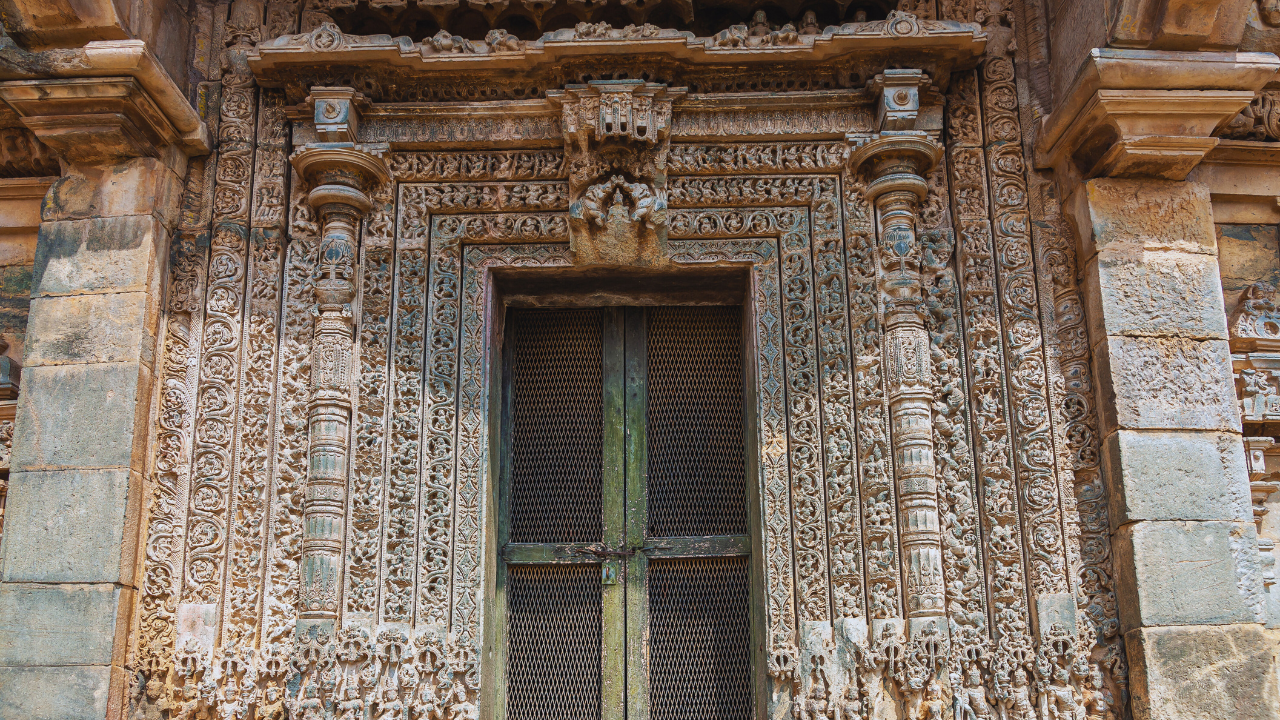
Researchers opine that the ornaments likely date to the 11th or 12th century, a period when Lakkundi was a thriving economic and cultural centre. Located in present-day Gadag district, the village once served as an important hub under the Chalukyas and is renowned for its Hindu and Jain temples, stepwells, and stone inscriptions.
Canva
According to researcher Appanna Hanje, the jewellery weighs around 470 grams and can be clearly distinguished from royal ornaments of the era, which typically feature elaborate craftsmanship and symbolic motifs. The relatively simple designs suggest the ornaments belonged to common residents rather than elites.More than 150 inscriptions, temples, and sculptures discovered over the years point to Lakkundi’s past prosperity as a residential settlement, making such household finds plausible.Read more: Guess which city: It has an airport runway crossing a public road
Family seeks return or compensation
The discovery has now led to a dispute. The family that found the gold has asked for either the ornaments to be returned or compensation to be provided. Arguing that the jewellery holds no archaeological value, they claim it likely belonged to their ancestors. “We do not want the gold. The government should build a house for us. If that is not possible, then the ornaments belonging to our grandfather and great-grandfather should be returned to us,” the family said.For now, the gold remains in government custody as experts continue their assessment. State Archaeology Department expert Smita Reddy is expected to visit the site soon to conduct further investigation and confirm the exact period of the ornaments. Though not a history-altering discovery, it offers a glimpse into the lives of the people who once lived in the region and how the common people during that time lived with their wealth, and protected them by burying it beneath their homes, as the use of locks and vaults was unknown then.








 English (US) ·