

 1 day ago
4
1 day ago
4
ARTICLE AD BOX
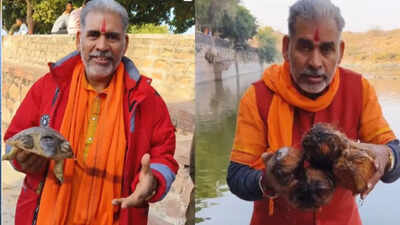
What do you do with your Mata ki Chunri, Kanha ji's clothes, old pooja photos, torn religious books, leftover prasad, or wilted flowers? Do you stuff them in a polythene bag, tie it up, and toss it into a river? Or put them under a tree? These sacred items, once used in holy ceremonies, end up scattered by animals, washed into drains, or choking our water bodies.
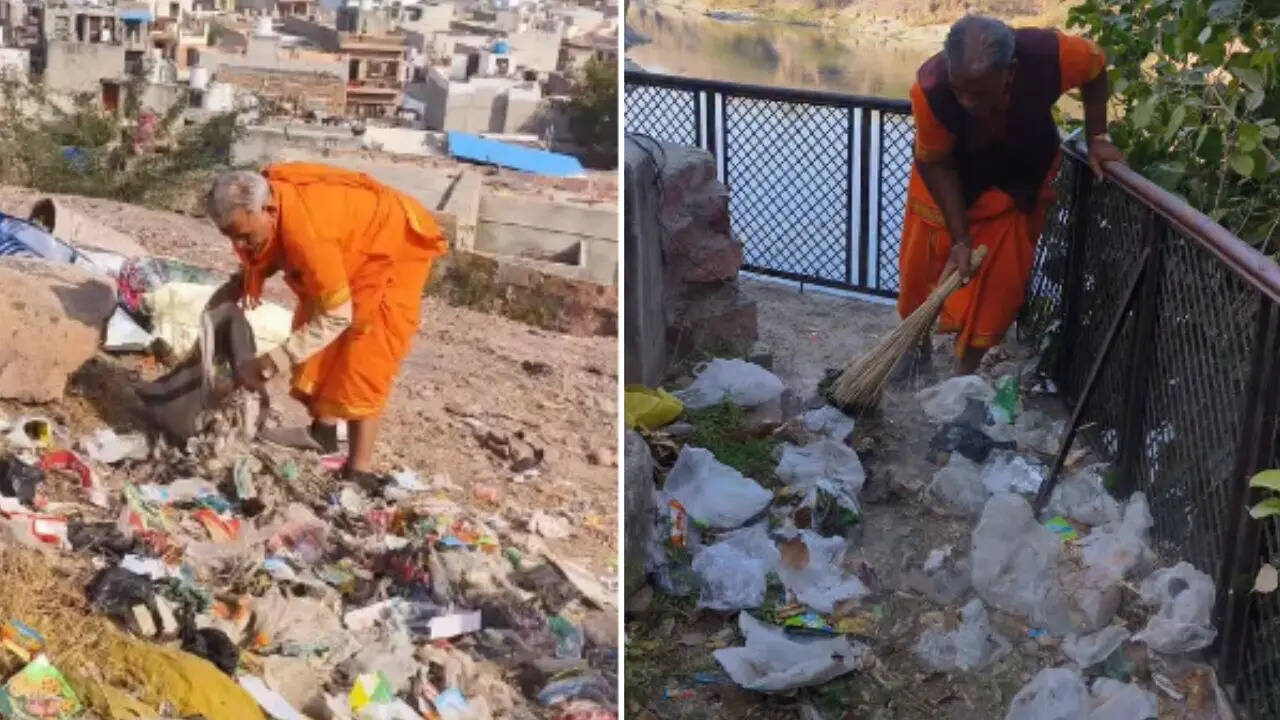
The thought is heartbreaking—our earth has limits too, just like our homes and these itmes are not juist anything-but objects with which our faith is deeply attached. Pandit Jeevraj Shrimali from Jodhpur, Rajasthan is quietly dedicating his life to the service of Mother Earth. Now a brand ambassador for the Jodhpur Municipal Corporation, his life is dedicated to cleaning the city. There are days when he travels up to 250 kilometers at his own expense to deliver plastics and waste to recycling plants.
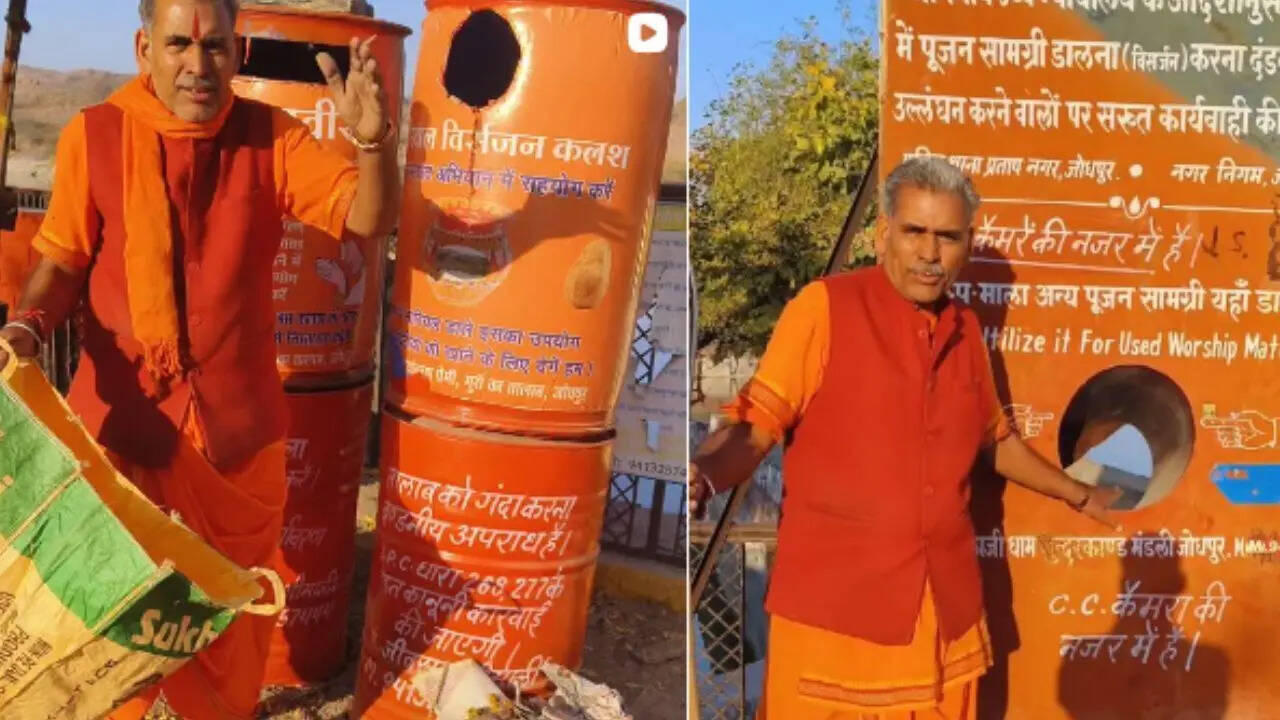
His story began in 2016 at Guron ka Talab, an ancient pond beside the revered Rokadiya Balaji Temple. Back then, the pond was a dumping ground for pooja waste, idols, religious books, and pictures. Devotees would immerse these items here, creating filthy heaps that mocked faith.Panditji decided enough was enough. He started educating people, collaborating with the municipal corporation on clean-up drives, and installed CCTV cameras around the pond.
Spotting someone dumping filth? He politely asks them to clean it up. He's set up separate dustbins for different types of pooja waste—ensuring flowers go here, cloth there, and plastics elsewhere. The result? The pond's ecosystem has revived; it's now sparkling clean.
But he doesn't stop at collection. Panditji creatively repurposes these items: he turns old pooja chunris, clothes with god images, and similar fabrics into small bags, selling them for just ₹5 each.
The proceeds fund his environmental efforts. "During Shivratri, I see hundreds of Shiva idols near the pond—same during Navratri," he says. "Instead, offer prayers to the photos of gods and goddesses already in your home.
These idols are chemical-laden and hard to dispose of respectfully. Throwing idols on roads is disrespectful."He urges everyone: "Shun products with images of gods and goddesses—like curtains, bags or even keychains and agarbattis.
Companies printing them disrespect divinity, leaving us with waste we can't honor properly."
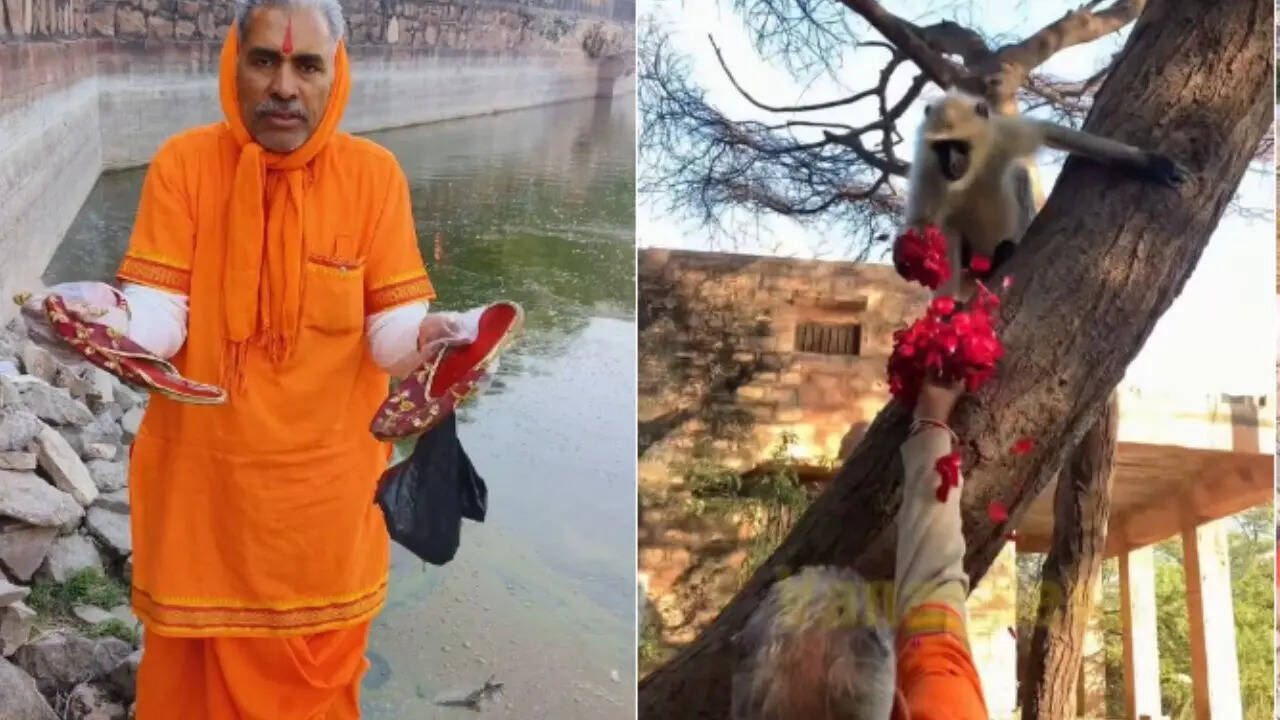
You'll spot Panditji roaming Jodhpur's streets, urging people to use dustbins, segregate waste, and keep cities clean. He even rescues marine animals like tortoise , cares for them, and releases them back. This one man shows that true religion isn't about empty rituals, competitions in piety, or showy displays—it's deep respect for creation, ending waste that dishonors the divine.Every Hindu should read this because it reminds us: faith thrives when we protect prakriti (nature) as part of the dharma. In Hinduism all elements of nature are objects of worship, and maligning any of them-be it Earth , Water or Air is against dharma. Panditji's quiet revolution isn't just cleaning ponds—it's cleaning our conscience, one respectful act at a time.









 English (US) ·