

 1 hour ago
4
1 hour ago
4
ARTICLE AD BOX
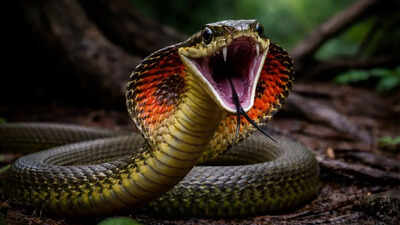
Snakes that borrow toxins from their meals sound unusual, yet nature often works in unexpected ways. The red-necked keelback is one such species that doesn’t produce its own venom but instead relies on chemicals gathered from what it eats.
These snakes consume poisonous toads and store the toxins in specialised glands located in their necks. The idea that a predator can repurpose another creature’s defences is striking on its own. What is more intriguing is how these snakes appear to manage and use those toxins without clear awareness of how much they actually have stored. Recent research, reported by Scientific American and authored by Christa Lesté-Lasserre, explores this behaviour in detail and raises questions about how these reptiles decide when to stand their ground or retreat.
How red-necked keelback snakes store toxins from toxic toads
The red-necked keelback, known scientifically as Rhabdophis subminiatus, feeds on toxic toads. After ingestion, toxin molecules called bufadienolides are absorbed through the intestines. These compounds are then transferred to paired storage organs known as nuchal glands, located around the neck.The snake does not invest energy in producing venom. Instead, it reuses what is already present in its environment.
Experts say this adaptation gives the snake a defensive edge without the metabolic cost of venom production. When threatened, the keelback can display a raised neck posture, exposing these toxin-filled glands as a warning signal.
Red-necked keelback defensive behaviour
When the snake has recently eaten toxic prey, its behaviour shifts. It becomes more assertive. It raises its body, flares its neck, and faces potential predators such as mongooses. The posture appears deliberate, almost like a challenge.If the snake has not consumed toxic prey recently, the behaviour changes noticeably. It may avoid confrontation and attempt to escape instead. This difference suggests that diet plays a key role in shaping defensive responses, although the exact internal mechanism remains unclear.
Red-necked keelback toxin level monitoring study findings
A study led by behavioural ecologist Tomonori Kodama from Nagoya University tested whether these snakes can assess their toxin levels. Researchers fed some snakes toxic toads and others non-toxic prey, then later simulated predator attacks.After observing the responses, the team removed toxins from some snakes’ nuchal glands and tested them again. Surprisingly, the snakes behaved almost the same way before and after their toxin reserves were depleted. Their defensive posture did not noticeably change.This suggests the snakes might not directly monitor their toxin levels. Instead, they could be relying on the memory of their most recent meals.









 English (US) ·