

 2 hours ago
3
2 hours ago
3
ARTICLE AD BOX
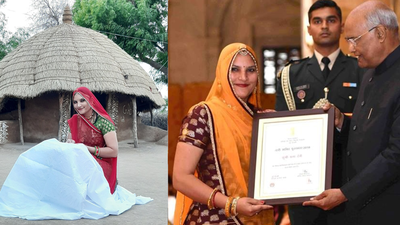
In the quiet villages of Rajasthan, embroidery has long been part of everyday life. Women stitch mirror work into blouses, patch old fabrics into quilts, and embroider patterns that quietly carry generations of tradition.
For most, these skills remain within the walls of their homes, unseen, unpaid, and often unrecognised. But for Ruma Devi, embroidery became something more. It became a way out. Today, she is known across the country as a social entrepreneur and artisan leader, honoured with the Nari Shakti Puraskar in 2018, India’s highest civilian honour for women, for empowering rural women through traditional crafts. Over the years, her initiatives have helped organise and support thousands of rural women artisans across Rajasthan through craft-based livelihood programmes.
Yet the journey that led her there began with rejection, struggle, and a determination that refused to fade. Scroll down to read more.
A childhood shaped by hardship
Ruma Devi was born in the Barmer district of Rajasthan, in a small desert village where opportunities for girls were limited and expectations were rigid. Her early life was marked by loss. She lost her mother when she was still a child and grew up under difficult circumstances. School soon slipped out of reach.
Like many girls in rural Rajasthan, she was married off young and moved into her husband’s household, where life followed familiar routines of domestic work and survival.
But beneath the quiet rhythm of village life, Ruma carried an ambition she could not fully explain, a desire to do something more than what had been written for her. That ambition would soon cost her dearly.
When dreaming became a problem
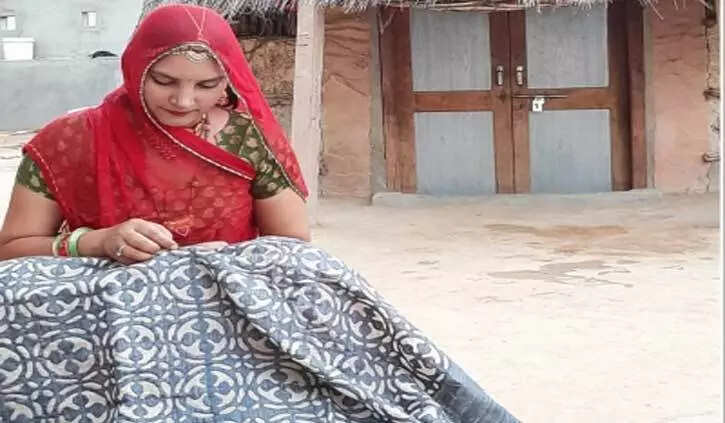
After marriage, Ruma began to notice something many others ignored.
The women around her possessed remarkable craft skills, intricate embroidery, mirror work, and patchwork techniques that had been passed down through generations. Yet these crafts rarely brought them any income. Middlemen often bought their work for extremely low prices, while many women stitched simply to pass time, unaware that their art could have value beyond the village.
Ruma began experimenting with small ideas. She started gathering women, encouraging them to stitch together, and tried to find ways to sell their work in nearby markets.But in a conservative rural environment, a young woman stepping outside traditional boundaries was not always welcomed. According to several accounts of her early life, Ruma’s attempts to step into entrepreneurship created tension at home. At one point, her determination to pursue work outside the household reportedly led to severe conflict, and she was thrown out of her home. For many, such a moment would have ended the story.
For Ruma Devi, it became the turning point.
Building something from almost nothing
With little money and few resources, Ruma continued working with embroidery, the one skill she and many women around her possessed. Slowly, she began connecting with local organisations that worked with rural artisans. Eventually, she became associated with the Gramin Vikas Evam Chetna Sansthan, an organisation focused on rural development. Through this platform, Ruma began organising women artisans into self-help groups, helping them revive traditional embroidery techniques while also connecting them to markets.
The idea was simple but powerful: instead of selling their work cheaply to traders, women could collectively produce handcrafted garments, bags, textiles, and accessories that reflected authentic Rajasthani craft.Over time, the movement grew. What started with just a handful of women slowly expanded into a network of thousands of artisans across rural Rajasthan. Many of them had never earned their own income before.
The impact was immediate and deeply personal. Women who had rarely stepped outside their homes were now contributing to household incomes. Some began sending their children to school. Others gained confidence simply from knowing their work mattered.
From village craft to national recognition
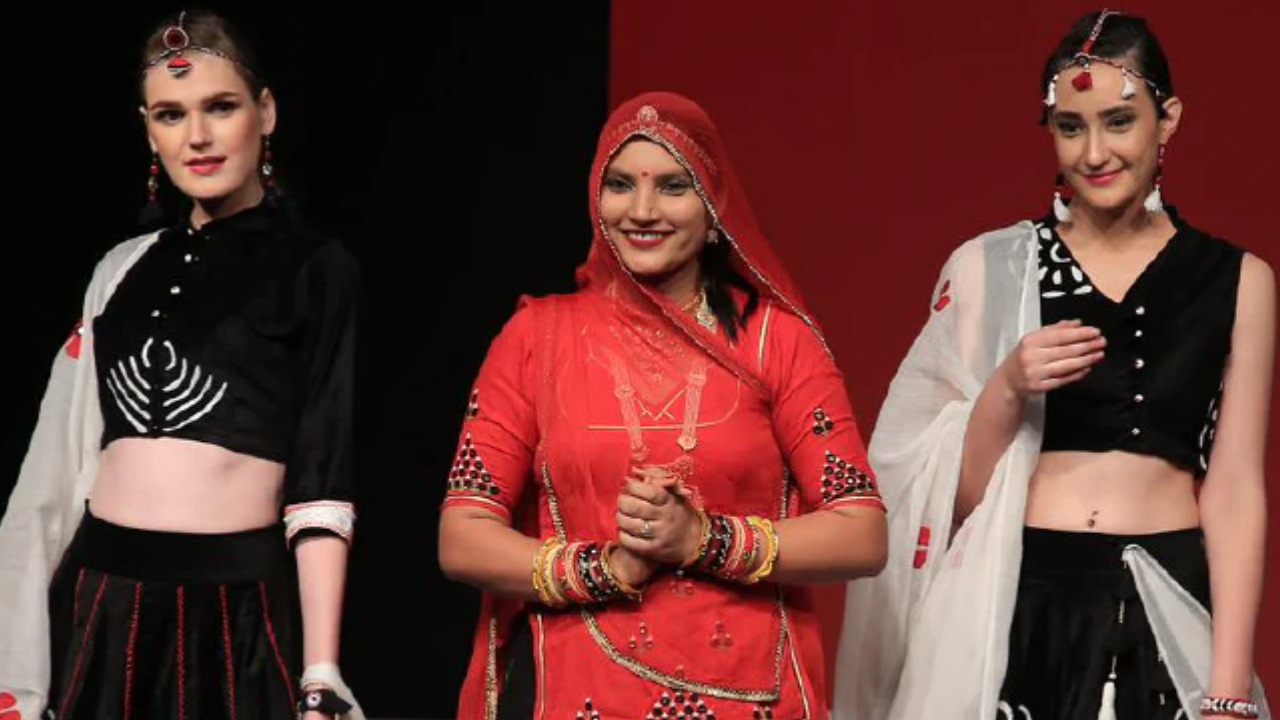
As the collective’s work gained attention, Ruma Devi began representing rural artisans at craft fairs, exhibitions, and design platforms across India. Her journey eventually took her to national stages, including the Lakmé Fashion Week, where traditional rural embroidery found space alongside contemporary designers.
For many observers, the moment carried a quiet symbolism: a village artisan walking a space usually reserved for elite fashion.But the most significant recognition came in 2018, when the Government of India awarded her the Padma Shri, one of the country’s highest civilian honours. The award acknowledged not only her personal journey but also the livelihoods she helped create for more than 20,000 rural women artisans.
A quiet revolution stitched with thread
Despite national recognition, Ruma Devi often speaks about her work with humility. For her, the transformation was never about personal success. It was about changing how rural women see themselves. In many villages, embroidery was once dismissed as “just women’s work”, something done casually between chores. Today, through Ruma’s efforts, that same craft has become a source of dignity, income, and independence.
Her story is also a reminder of how fragile opportunity can be. A moment of rejection could have silenced her ambitions forever.
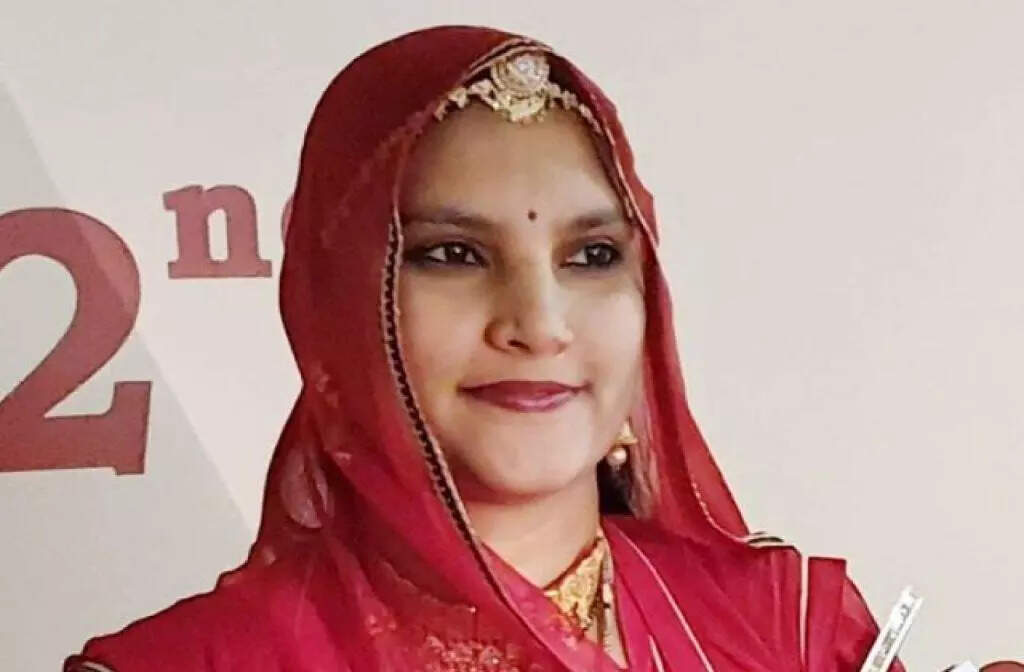
Instead, it pushed her to build something larger than herself. From a village girl with limited education to a national awardee standing before the President of India, Ruma Devi’s journey carries the quiet strength of the communities she represents. And in the countless embroidered mirrors, threads, and patterns created by the women she works with, her legacy continues to grow, one stitch at a time.






 English (US) ·