

 1 hour ago
5
1 hour ago
5
ARTICLE AD BOX
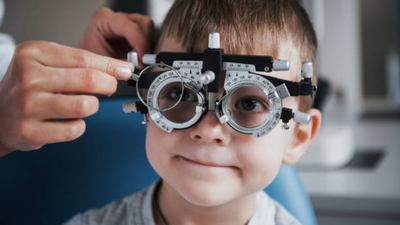
Glaucoma is one of those diseases that barely gets talked about, even though it’s a major cause of irreversible blindness. Compared to conditions like cataracts or diabetes-related eye problems, glaucoma awareness is surprisingly low.
A big reason is that glaucoma is often called the “silent thief of sight.” In its early stages, there are usually no obvious symptoms, no pain, no redness, no sudden vision loss. People feel fine, so they don’t think to get their eyes checked.Another issue is that many people assume eye exams are only needed when vision gets blurry. Glaucoma doesn’t work that way. It slowly damages the optic nerve. Because it mostly affects older adults, there’s also a mindset that vision loss is just a normal part of aging, which isn’t true.Now, most people think glaucoma only affects older adults, so symptoms in kids are also often overlooked or misdiagnosed. Children may not be able to explain vision problems and parents may not know that they even need eye exams. Childhood glaucoma is often detected late due to this confusion."Childhood glaucoma is a significant problem in India, primarily treated in tertiary care hospitals," one 2024 study had found.
The Indian Childhood Glaucoma Study (ICGS, 2024) examined 1743 eyes from 1155 newly diagnosed children across 13 centers, using Childhood Glaucoma Research Network (CGRN) classification. Primary congenital glaucoma (PCG) was most common at 34.4% (infantile onset 19%), with secondary glaucoma at 53.4%; 59.5% presented mild, but 28.5% were lost to follow-up.
This underscores the high burden in tertiary care, likely underreported.
Early symptoms of glaucoma in kids
“The early detection of congenital glaucoma is difficult because its initial symptoms resemble those of common eye allergies and infections. The condition causes infants to continuously produce tears from their eyes while they experience eye redness and extreme light sensitivity. The infants demonstrate an ability to shut their eyes so tightly that their caregivers frequently believe the infants suffer from either irritation or infection,” Dr.
Supriya Shetty, Consultant – Ophthalmology, Rainbow Children’s Hospital, Marathahalli told TOI Health.

“The primary issue with congenital glaucoma exists because the eye maintains excessive internal pressure which results from an incomplete drainage system development that occurs during prenatal development. The increased pressure causes the eye to develop an enlarged state which results in cloudy vision that can lead to total sight loss without immediate medical intervention,” he explained the cause of the disease in babies.
How untreated glaucoma affects brain-vision development in early childhood
Early childhood is a crucial period for visual and brain development. Vision and brain maturation are closely linked during the initial age of life. From birth to about seven years of age, the visual system shows high plasticity. During this time, the brain needs clear and balanced visual input from both eyes. Glaucoma disrupts this process. The damage affects not only the eye but also the developing brain," says Dr.
Malleshwari Medikonda, Glaucoma Consultant, Sankara Eye Hospital, Guntur.Dr. Malleshwari Medikonda says untreated childhood glaucoma causes long-term visual and neurological damage. It affects the optic nerve, brain development, and binocular vision. Motor, cognitive, and social functions are also impaired. Many effects are irreversible if treatment is delayed. The doctor explains how the disease affects the cognitive and vision development in children.
Early loss of visual acuity
Reduced visual acuity is often the first clinical sign. Corneal clouding causes blurred vision early on. Optic nerve damage follows. Structural deformation of the eye may occur over time. The brain receives unclear images. It fails to learn fine visual detail. Vision loss can become permanent, even if eye pressure is later controlled. This explains poor outcomes after delayed treatment.
Disruption of binocular vision and amblyopia
Normal binocular vision requires equal input from both eyes.
When one eye is more affected, the brain suppresses its input. This suppression leads to amblyopia, or lazy eye. Over time, the brain permanently favours the stronger eye. Treatment becomes less effective with age. Early intervention is therefore essential.
Impaired depth perception and spatial awareness
Untreated glaucoma interferes with depth perception depends on precise coordination between the eyes and brain. Children may struggle to judge distances.
Motor milestones such as crawling and walking may be delayed. Later, activities like running, writing, and catching objects become difficult. These children are often mislabelled as developmentally delayed.
Impact on cognitive and social development
Visual input is critical for overall brain development. It supports attention, learning, and motor coordination. Children with poor vision explore their environment less. Sensory stimulation is reduced.
Language development may be delayed. Social interaction and academic performance can be affected throughout life.
Structural changes and maladaptive brain adaptation
Elevated eye pressure alters the structure of the developing eye. The eye may enlarge abnormally. Corneal shape may change. These changes distort visual input. The immature brain adapts to poor-quality images. Faulty visual processing patterns become established. These patterns may persist for life.
Importance of timing in treatment
Neuroplasticity declines with age. Visual pathways need early stimulation to mature fully. Pathways deprived during critical periods may never recover. Late treatment cannot fully restore visual function. Early childhood glaucoma is therefore more damaging than vision loss later in life.
Glaucoma prevention
The best part is that glaucoma can be managed if caught early. Simple eye tests can help detect it before serious damage happens. “Infants with glaucoma show different symptoms because the condition begins with eye infections which produce sticky eye discharge but glaucoma does not. Glaucoma often receives a delayed diagnosis because it occurs less frequently than eye infections which results in permanent vision impairment for patients who need urgent treatment. The routine examination of a child's eyes possesses the ability to preserve their vision.
The process of identifying a condition requires time which results in permanent damage but medical assessments during the first months of life play an essential role in preventing vision loss,” the Dr. Supriya Shetty shared.Medical experts consulted This article includes expert inputs shared with TOI Health by: Dr. Supriya Shetty, Consultant – Ophthalmology, Rainbow Children’s Hospital, MarathahalliDr. Malleshwari Medikonda, Glaucoma Consultant, Sankara Eye Hospital, GunturInputs were used to explain why there is less awareness on glaucoma in kids.







 English (US) ·