

 1 hour ago
3
1 hour ago
3
ARTICLE AD BOX
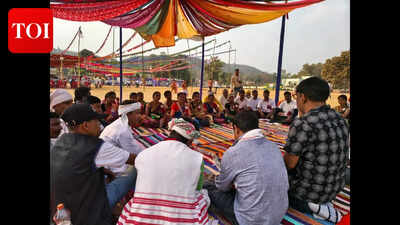
Over 2,000 tribal leaders from seven states convened for a three-day 'Grameen Charcha' in Rayagada, Odisha. This community-driven platform aims to integrate rural voices into the 'Viksit Bharat 2047' roadmap. Discussions focused on indigenous knowledge, land rights, and sustainable practices, with over 15 workshops addressing crucial grassroots issues. The event highlighted the importance of tribal participation in national development.
Bhubaneswar: Over 2,000 tribal leaders from seven states have gathered at Bisam Cuttack in Rayagada district for the three-day ‘Grameen Charcha’, a community-driven platform aimed at placing rural voices at the centre of the road map for ‘Viksit Bharat 2047’.Representatives from over 50 ‘sangathans’ (groups) from Odisha, Chhattisgarh, Jharkhand, Madhya Pradesh, Uttar Pradesh, Rajasthan and Maharashtra participated in the discussions, marking one of the largest tribal-led collectives in recent years. Unlike conventional policy conversations held in state capitals, the event focused on shared discussions.The inaugural session on Sunday opened with cultural performances and a display of ‘sangathan’ flags, symbolising unity and diversity among the groups.
Community dialogues at the ‘Samvad Manch’ set the tone for an event centred on indigenous voices and knowledge systems on Monday.“For generations, tribal communities sustained themselves through harmony with nature and strong community bonds. These are not mere traditions; they are solutions that resonate with ‘Odisha Vision 2036’ and ‘Viksit Bharat 2047’,” said Anjan Pradhan, convener of Odisha Shramajeevi Mancha, one of the organising groups.
A key highlight was the ecology panel on ‘My Land, My Forest and Indigenous Food Systems’, which examined issues of climate resilience, forest governance and traditional food practices. The discussions culminated in collective recommendations that will form part of the upcoming Bissam Cuttack ‘call to action’.“India’s development begins in its villages. For tribal communities to be equal partners in this journey, they must be aware of both their rights and responsibilities,” environmental lawyer Shankar Prasad Pani said, adding that platforms like these encourage open dialogue.More than 15 thematic workshops brought together diverse groups to discuss youth leadership, haats as common spaces, intergenerational learning, livelihoods, irrigation, migration, forest rights, biodiversity and the growing use of digital tools to amplify grassroots concerns.The day ended with ‘Pitthu League’ try-outs promoting sports and well-being, followed by ‘Aadi Talent’, where tribal youth showcased music, dance and storytelling reflecting their cultural identity. The event will conclude on Tuesday.







 English (US) ·