

 1 hour ago
5
1 hour ago
5
ARTICLE AD BOX
3 min readApr 29, 2026 11:21 AM IST
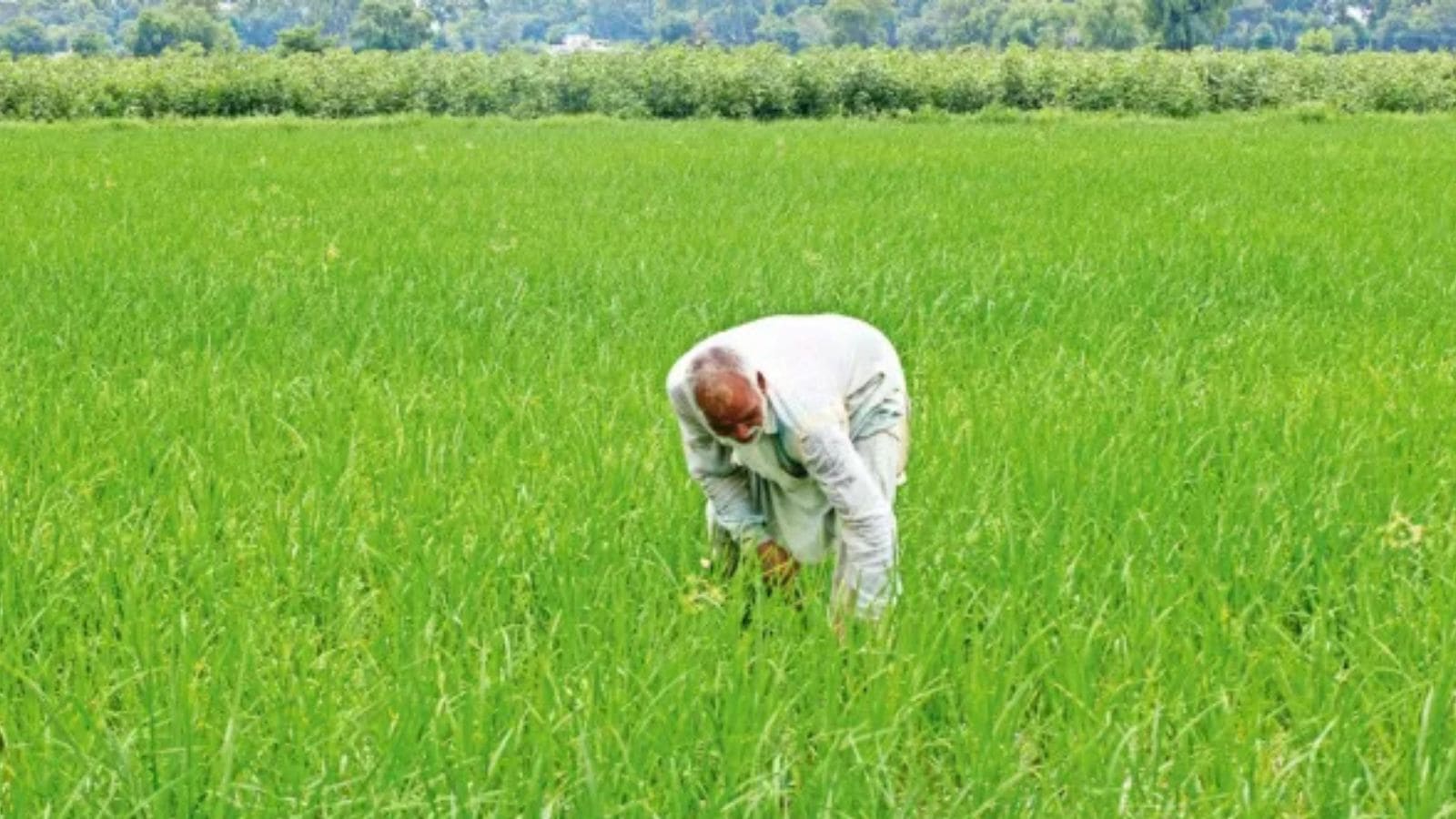 The PAI is a report card on the performance of the more than 2.5 lakh panchayats in the country. Each panchayat is assessed on more than 150 parameters such as health, water, infrastructure, and sustainability. (File Photo)
Gram Panchayats in Tripura, Kerala, and Odisha have performed better, while those in Punjab, Uttar Pradesh, Bihar, and Rajasthan lagged on the Centre’s Panchayat Advancement Index (PAI) 2.0, which assessed 2,59,867 rural local bodies based on their performance and progress on nine themes covering sustainable development goals (SDGs).
ARTICLE CONTINUES BELOW VIDEO
The PAI 2.0 is prepared by the Union Ministry of Panchayati Raj after assessing panchayats based on their performance across 150 indicators covering nine SDGs –from poverty-free and enhanced livelihoods to women-friendly panchayats—during the 2023-24 financial year.
According to the ministry officials, the Gram Panchayats have been ranked under five categories based on their score on a scale of 0-100: ‘Achiever’ (90-100), ‘Front Runner’ (75-90), ‘Performer’ (60-75), ‘Aspirant’ (40-60 ) and ‘Beginner’ (below 40).
The PAI 2.0 covers all Gram Panchayats in the country, except West Bengal.
Of the 2,59,867 Gram Panchayats, 3,635 have been ranked as ‘Front Runner’, 1,18,824 as ‘Performer’, 1,23,719 as ‘Aspirant’, and 13,689 as ‘Beginner’. No panchayat could make it to the ‘Achiever’ category.
Among the ‘Front Runner’ panchayats, 943 were in Tripura, which constituted 80 per cent of the state’s total 1,176 rural local bodies. The state was followed by Kerala, where 10 per cent of its 941 Gram Panchayats have been assessed as ‘Front Runner’. With 8 per cent of its total 6,794 Gram panchayats assessed as ‘Front Runner’, Odisha stood next.
Panchayats in these states have performed relatively better vis-à-vis several big states. For instance, only 51 of 57,678 Gram Panchayats in Uttar Pradesh were assessed as ‘Front Runner’. In Rajasthan, the number stood at eight out of 11,037; in Bihar, 2 out of 8,053; and in Punjab, just one out of 13,233.
Story continues below this ad
‘A report card’
“PAI is a report card on the performance of each of the more than 2.5 lakh panchayats in the country. Each panchayat is assessed on more than 150 parameters across sectors such as health, water, infrastructure, and sustainability. The release of PAI 2.0 (FY 2023–24) reinforces the government’s commitment to strengthening Panchayati Raj Institutions and advancing the vision of ‘Viksit Gram Panchayats’ through participatory, transparent, and data-driven local governance,” said a source at the Union Ministry of Panchayati Raj.
The source explained that the Index is built on the framework of Localization of Sustainable Development Goals (LSDGs), which consolidates the 17 global SDGs into nine thematic areas relevant to Panchayati Raj Institutions. As achieving the SDGs by 2030 requires grassroots-level action, the PAI serves as a key tool to track and accelerate progress toward these goals in rural areas, the source added.
The source further said that 50 per cent weightage is given to the PAI score in selecting the best Gram Panchayat for awards given by several states. Also, the Centre plans to link the sectoral allocation of funding at the Gram Panchayat level. Priority will be given to sectors in which the panchayat’s performance is lagging, the source added.
This is the second edition of the PAI. The first set of the PAI 1.0, which was based on the FY 2022-23 data, was released last year. The PAI 1.0 was based on 516 indicators, which have now been reduced to 150, the source said.

Harikishan Sharma, Senior Assistant Editor at The Indian Express' National Bureau, specializes in reporting on governance, policy, and data. He covers the Prime Minister’s Office and pivotal central ministries, such as the Ministry of Agriculture & Farmers’ Welfare, Ministry of Cooperation, Ministry of Consumer Affairs, Food and Public Distribution, Ministry of Rural Development, and Ministry of Jal Shakti. His work primarily revolves around reporting and policy analysis. In addition to this, he authors a weekly column titled "STATE-ISTICALLY SPEAKING," which is prominently featured on The Indian Express website. In this column, he immerses readers in narratives deeply rooted in socio-economic, political, and electoral data, providing insightful perspectives on these critical aspects of governance and society. ... Read More
Stay updated with the latest - Click here to follow us on Instagram
© The Indian Express Pvt Ltd








 English (US) ·