

 2 days ago
7
2 days ago
7
ARTICLE AD BOX
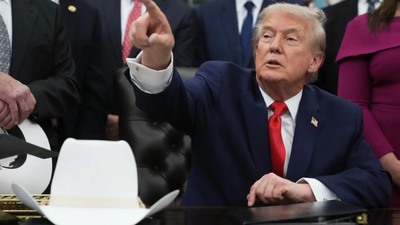
A coalition of 20 US states, led by California, has filed a lawsuit against the Trump administration over a new $100,000 fee imposed on H-1B visas, arguing that the move is unlawful and threatens access to essential public services such as healthcare and education.The legal challenge, announced by California Attorney General Rob Bonta, targets a policy introduced by the Department of Homeland Security (DHS) following a presidential proclamation issued in September. The fee applies to all new H-1B visa petitions filed after 21 September and represents an unprecedented increase from the existing charges, which typically range from under $1,000 to around $7,500.In the lawsuit, the attorneys general argue that the Trump administration has exceeded its authority by imposing a fee far beyond what Congress has authorised.
They say the policy violates the Administrative Procedure Act (APA) by bypassing mandatory notice-and-comment rulemaking and by setting a charge unrelated to the actual cost of processing visa applications.Bonta said the measure runs counter to the purpose of the H-1B programme, which allows US employers to hire highly skilled foreign workers in “specialty occupations” requiring at least a bachelor’s degree.
These include doctors, nurses, researchers, teachers and engineers.“California knows that when skilled talent from around the world joins our workforce, it drives our state forward,” Bonta said, warning that the fee would place “illegal financial burdens” on public employers and worsen existing labour shortages.The coalition, which includes states such as New York, Illinois, Washington and Massachusetts, is seeking to block the policy and have it declared unconstitutional.
Impact on schools, hospitals and public services
The states argue that the fee will hit public sector and non-profit employers hardest, particularly schools, universities and hospitals, many of which are exempt from the annual H-1B cap of 65,000 visas. These institutions, they say, cannot absorb an additional $100,000 cost per hire without cutting services or diverting funds from other programmes.The lawsuit highlights the scale of existing shortages. During the 2024–25 school year, nearly three-quarters of US school districts reported difficulties filling teaching posts, especially in special education, science and bilingual education.
Educators are among the largest occupational groups using H-1B visas, with tens of thousands employed across the country.Healthcare is another major concern. In the 2024 fiscal year, almost 17,000 H-1B visas were issued for medical and health occupations, including physicians and surgeons. The US is projected to face a shortfall of up to 86,000 doctors by 2036, a gap that is already acute in rural and low-income areas, including parts of California.
White House defends move amid wider backlash
The Trump administration has defended the fee as part of a broader effort to reform the H-1B system and prioritise American workers. A White House spokesperson said the policy would discourage abuse of the programme and protect domestic wages, insisting the action was lawful.Critics, however, say the measure risks damaging the US economy and international relationships. Lawmakers have warned that the fee disproportionately affects Indian professionals, who hold an estimated 70 per cent of H-1B visas, and could strain US–India ties while driving skilled workers towards countries with more welcoming immigration systems.









 English (US) ·