

 3 days ago
9
3 days ago
9
ARTICLE AD BOX
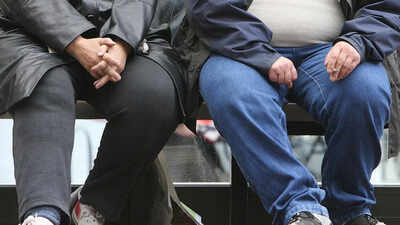
As if multiple heatwaves were not enough, Britain is now grappling with another concerning crisis.Per The Sun, Britain’s obesity problem just went up a notch, and it’s the country’s young people driving this latest surge.A huge review of NHS records (55 million and counting) has revealed that nearly a third of adults in England are now obese, and the sharpest jump is in people in their 20s and 30s. The pandemic didn’t help, but this latest data from the University of Cambridge is especially striking: new obesity cases are climbing fastest among 20- to 39-year-olds. If the trend keeps up, it’s going to pile even more pressure on the NHS and worsen those health gaps that already separate richer and poorer areas.
What does the study reveal?
According to researchers led by the University of Cambridge, obesity is rising fastest among young adults, especially those in their twenties and thirties. The study underlined that rates of new obesity cases rose by almost 20% in those aged 30-39, and by 16% in those aged 20-29, while rates fell among adults aged 60-79.The data reveals that things have escalated rapidly in the last few years. Back in 2019, about 26% of adults were obese; now, it’s up over 30%.
To be more specific, the paper published in The Lancet showed, in general, rates of obesity are higher than pre-COVID, rising 4% between 2019 and 2025, from 26.2% to 30.3%. That’s millions more people at risk for heart disease, diabetes, and a slew of other illnesses.As reported by The Sun, Robert Fletcher, a PhD candidate at the University of Cambridge, said: “Levels of obesity in England have worsened since the pandemic, with nearly one in three people now affected.”Dr Fletcher also said that there were “large disparities across the country: the percentage of adults affected by obesity in northeast England is six times higher than in central London,” adding, “differences on this scale are rarely seen in other areas of public health.”
Where are the most obese places in England?
The research uncovered some eye-popping differences depending on where you live. In some parts of northeast England, obesity rates are close to 48%, which is six times higher than the healthiest bits of central London, where barely 8% of adults are obese.
You don’t see disparities like that very often anywhere in UK healthcare.Per the data, the divide is crystal clear. Northern, less wealthy regions consistently have higher obesity rates. Southern, richer areas fare better. Socioeconomics and “postcode lottery” effects are shaping who becomes obese way more than individual choices alone.
Young adults are driving the crisis
What really was a shocker to the researchers was how fast obesity is rising among younger adults.
Since 2019, obesity rates among 30- to 39-year-olds have been up almost 20%. For those in their 20s, up 16%. Meanwhile, rates for folks over 60 actually dropped a bit.That shift means a rougher road ahead. Younger people living with obesity for decades will face more years at risk for diabetes, strokes, heart attacks, certain cancers — you name it. And despite all our talk about exercise and eating right, the next generation’s basic health seems to be getting worse.
What’s fueling the fat surge?
Experts underline three driving factors.
- Economic inequality: People in poorer areas are way more likely to become obese, and this gap has only grown wider since the pandemic. Healthy food is expensive and harder to find for a lot of families, while processed, calorie-packed options are everywhere and cost less.
- A flood of unhealthy foods: Walk into any store, and it’s wall-to-wall sugary treats, snacks, and processed meals. Easy access, heavy marketing, and super-low prices for junk food make it tough for anyone to turn things around. Britain’s entire food culture has shifted, and people are eating way more calories than they need.
- Less movement, rise of sedentary living: Work and leisure have changed. Office jobs, long commutes, and screen time mean people aren’t moving as much, especially younger generations. The pandemic just made things worse; with gyms closed and routines broken, regular movement fell off a cliff for a lot of people.
Why this needs immediate attention
Obesity isn’t just about extra pounds. It means higher risks of heart disease, diabetes, cancer, fertility problems, and a shorter life. The NHS is already stretched thin by obesity-related illnesses, and it’ll get worse if younger people keep joining the ranks.The researchers associated with the study said that weight loss jabs might have something to do with the decrease in weight in the older age group.
People in their 60s and older were more likely to be able to afford them, as access to the NHS is restricted, they suggested.Per Prof Fletcher, “We don’t see any obvious reduction in obesity in our data following the introduction of GLP-1 receptor agonists, at least not within the current study period,” adding, “However, the drugs [GLP-1s] on their own are unlikely to be the answer [to the obesity crisis].”Prof Fletcher added, “At present, the majority are privately prescribed and the jabs are expensive, which poses a barrier for people from disadvantaged backgrounds.
We need deep-seated change to the many social and economic factors that drive obesity in the first place.”However, Prof Fletcher underlined, “The rise in new cases among young adults of childbearing age is especially concerning,” adding, “Beyond the implications for their own long-term health, obesity is associated with infertility, adverse pregnancy outcomes, and child obesity, which may perpetuate intergenerational cycles of health inequality.”Another big takeaway from this new research? Obesity is bigger than personal choices.It’s shaped by social, economic, and environmental factors — not just what individuals decide to eat. In fact, co-author of the study Naveed Sattar, Professor of Cardiometabolic Medicine at the University of Glasgow, underlined, “Obesity is not primarily about will power,” adding, “These new, powerful data indicate that those most at risk frequently reside in the most obesogenic environments and likely have the least agency to withstand such environments.
”He emphasized, “To achieve lasting change, the UK must expand access to new treatments faster but also fundamentally reshape food and activity environments so that healthier choices occur with minimal conscious effort. Failure to act will drive further rises in multimorbidity and human suffering, with profound consequences for the NHS and the wider economy.”









 English (US) ·