

 4 days ago
12
4 days ago
12
ARTICLE AD BOX
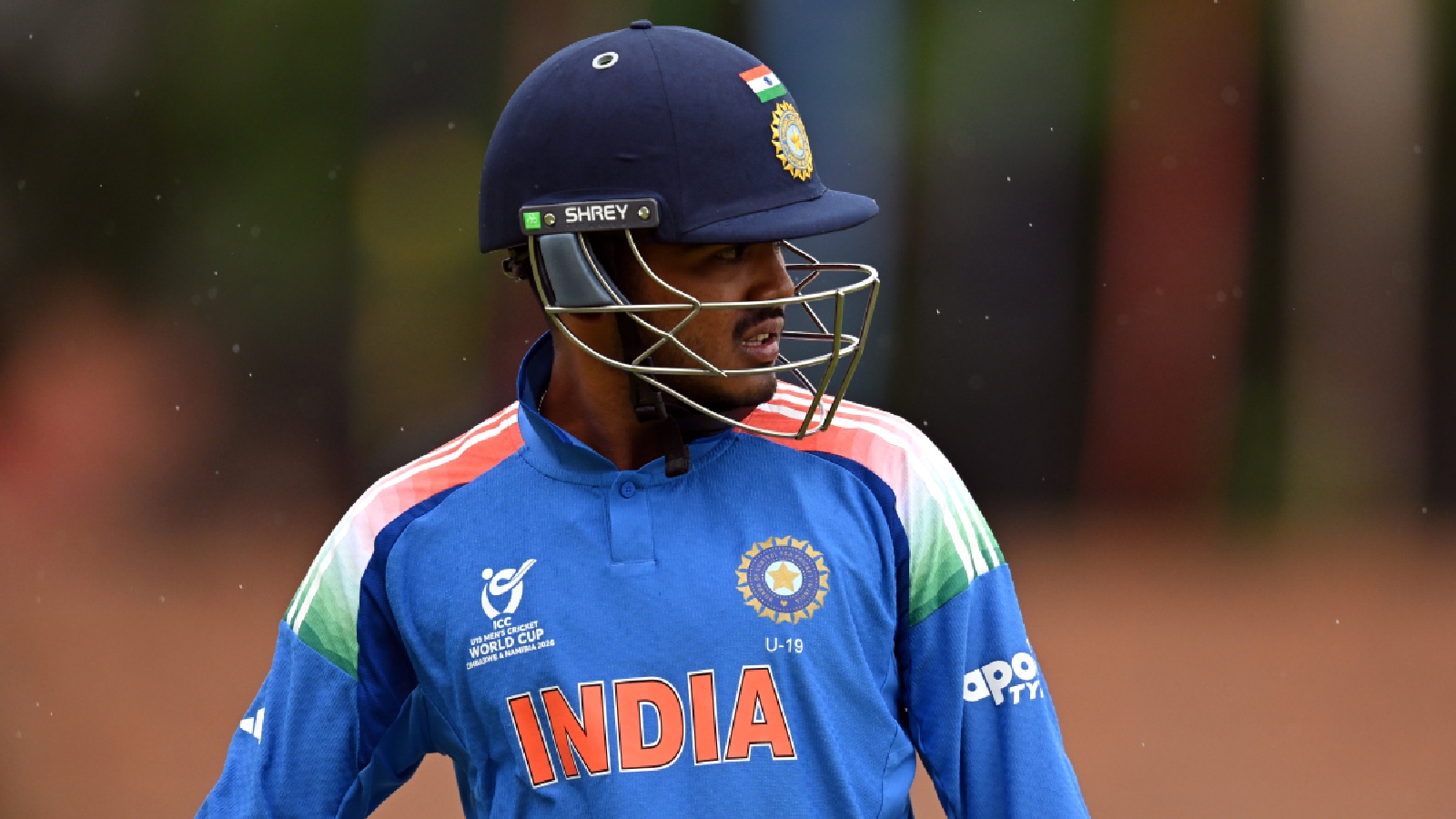 Mhatre’s recent returns make for grim reading. After a breezy 49 in the warm-ups against England, the competitive matches have seen a sharp dip. (Credit: ICC)
For all the promise Ayush Mhatre carries, the India U-19 captain enters the World Cup clash against New Zealand in Bulawayo on Saturday with unresolved questions over his form. Runs have dried up, dismissals have come early and the aggression that once defined his rise has increasingly looked at odds with the demands of the one-day format. In a side built around top-order foundations, Mhatre’s prolonged lean patch has become impossible to ignore.
Mhatre’s recent returns make for grim reading. After a breezy 49 in the warm-ups against England, the competitive matches have seen a sharp dip. In the opener against the USA, he perished for 19. Two days later, against a disciplined Bangladesh attack, he lasted only 12 balls, falling for six. Before the World Cup, the 18-year-old endured a difficult time with the bat in the Under-19 Asia Cup as well, making 65 runs in five outings that included three single-digit scores.
India’s expectations from Mhatre are rooted in his pedigree. In his short List A career, he has made 458 runs in seven matches at an average of 65.42. Yet, that pedigree has not translated into runs when India have needed them most.
The right-hander’s dismissals point to a recurring flaw against the rising ball. Against the USA, he hooked without control and picked out deep fine leg; against Bangladesh, he fell to a similar mistimed slash off a short-and-wide delivery.
Too often, the intent has arrived before the assessment. Hard hands outside off stump, premeditated aggression against the new ball and an unwillingness to absorb early pressure have made him vulnerable in the first ten overs. While such methods can be masked in T20 cricket, 50-over cricket is far less forgiving.
The issue isn’t a lack of talent; it’s a lack of ODI temperament. Mhatre, a natural stroke-maker, has appeared caught in the T20 trap. His dismissals have often been the result of “slam-bang” intent on wickets that demand an initial period of respect.
Others carrying burden
Mhatre’s poor run isn’t just a personal crisis, it’s a structural one for India. When the captain falls early, it triggers a domino effect that has forced the middle-order into salvage mode. Against Bangladesh, India were 12/2 within the first three overs. It took a herculean effort from 14-year-old Vaibhav Suryavanshi (72) and Abhigyan Kundu (80) to reconstruct the innings.
Story continues below this ad
Instead of building innings in phases, India have relied on recovery acts rather than control. The burden has shifted onto the middle and lower-order batters to either consolidate or counter-attack, thereby shrinking their margin for error. While their resilience is a positive, it is a high-risk strategy. By failing to provide a platform, Mhatre is effectively stripping the power-hitters of their freedom, forcing them to drop anchor rather than dominate.
The Bulawayo pitch has shown a tendency to hold a bit in the morning. For an opener, the first 30 balls here are about survival, not strike rates. If he survives the initial burst from the likes of Flynn Morey, Mason Clarke and Callum Samson on Saturday, the runs could follow; if he continues to take on the bowling from the start and falls, the pressure on the likes of Suryavanshi, Kundu and others will eventually become unsustainable.
New Zealand, meanwhile, come into this fixture with little margin for error. Two washouts have denied them rhythm, match practice and points, making this a must-win encounter. A loss here could put qualification into the next round out of their hands. The lack of game time has been a double-edged sword for New Zealand. While it has kept players fresh, it has also prevented them from settling into combinations or ironing out flaws under match pressure. Against India, they will need a combination of disciplined new-ball bowling, sharp fielding and batters willing to value their wickets early before accelerating to keep themselves alive in the World Cup.
LIVE Star Sports Network and JioHotstar at 1 pm.


 English (US) ·