

 1 hour ago
6
1 hour ago
6
ARTICLE AD BOX

Scroll through social media or step into any gym, and one message shows up again and again: eat more protein. From protein shakes to “high-protein” snacks, the idea has gone global.
But is this shift grounded in solid science, or is it moving faster than the evidence?At a recent event, Union Minister of State (Independent Charge) for Science & Technology, Dr Jitendra Singh urged caution. He warned that nutrition advice is generally oversimplified and sometimes misleading. He said, no single diet works for everyone, and people need to understand their own bodies before following trends.
What the minister actually said, in simple terms
Speaking at the launch of the book “Smart Calories and Common Sense: An Evidence-Based Guide to Indian Diets,” authored by Dr Anoop Misra, the minister focused on one central idea: diets are personal.He explained that food cannot be reduced to fixed charts or “one-size-fits-all”, and said, “Diet cannot be reduced to generalized prescriptions or uniform charts, and each individual must understand and adapt according to their own body, lifestyle, and metabolic needs.” What works for one person may not work for another. This depends on metabolism, daily routine, health conditions, and even the much important factor cultural eating habits.
He also pointed out that nutrition science keeps changing. Foods once labelled unhealthy are sometimes re-evaluated years later. So, blindly following trends without context can do more harm than good.In everyday terms, his advice comes down to this: "eat with awareness, not just influence."
Dr Singh added, “Attractive or overly complex diet plans often gain popularity despite lacking practical relevance. In this context, he reiterated the need for balanced, informed, and evidence-based guidance.”
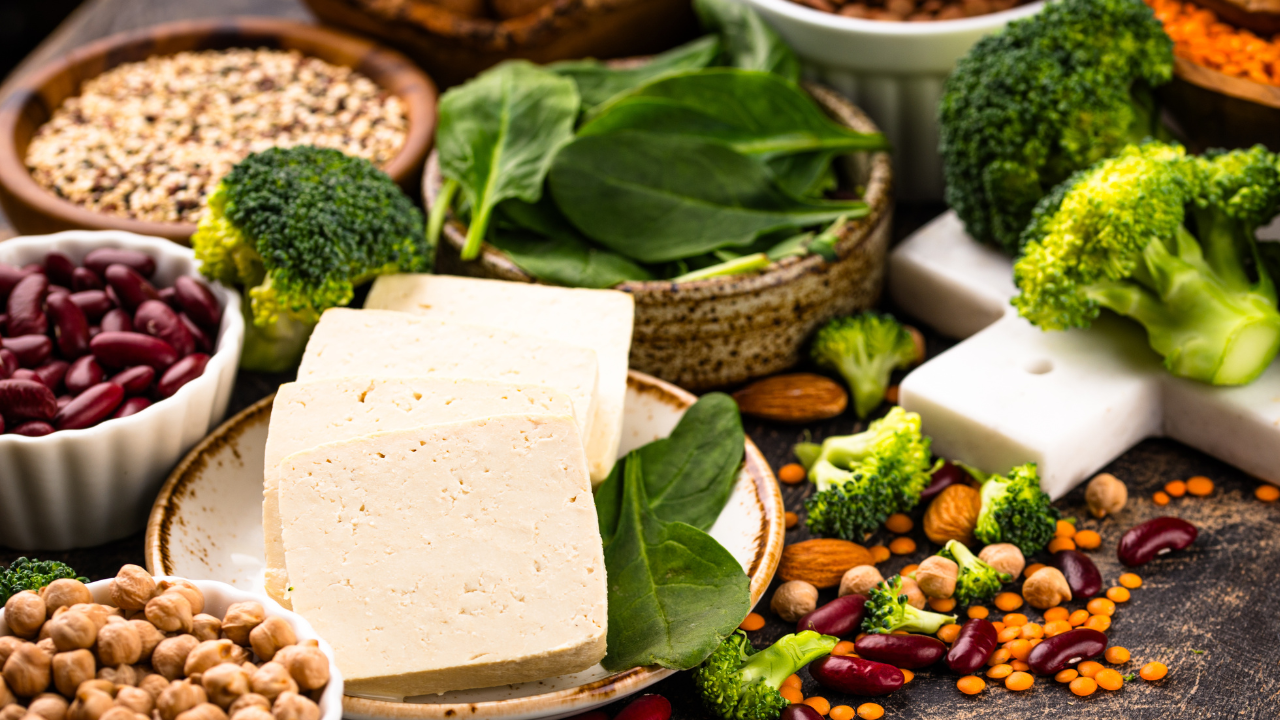
Diets are not entirely hype, but they are often overstated. They can support health when used correctly, but they are not a universal solution.
Why diet advice keeps changing
If diet rules feel confusing, there is a reason. Nutrition science is still evolving.The minister pointed out how food opinions have shifted over time. Refined oils were once promoted, then questioned. Sugar substitutes were praised, then debated. Traditional foods were ignored, then brought back into focus.This happens because most studies are done on large groups. These results give a general direction, but they do not capture individual differences.For example, official guidelines by the Indian Council of Medical Research stress balanced eating rather than extreme diets. So, when trends flip every few years, it is not always confusion. It is science updating itself.
How this affects everyday people
This is not just a policy-level discussion. It plays out in everyday life.Many people follow strict diet plans without understanding their own needs. Some skip meals, others overload on one nutrient, and many rely on expensive “health” products that promise quick results.The minister raised a concern about growing commercialisation. Attractive diet plans often look scientific but lack real-life practicality. They can be hard to follow and sometimes ignore basic habits like timing and portion control.This can lead to frustration. People try a diet, fail to sustain it, and blame themselves, when the plan itself may not have suited them.
The overlooked basics: timing, portions, and habits
One of the most practical points from the minister’s speech was about meal patterns.He noted that people often focus only on what they eat, but ignore when and how much they eat. Meal timing, spacing, and portion sizes quietly shape health outcomes.A balanced meal eaten at the right time can work better than a “perfect” diet followed poorly. Sleep, stress, and daily activity also influence digestion and metabolism.This shifts the conversation away from strict rules and towards daily awareness. Small, consistent habits often matter more than dramatic changes.
What really matters: Personalising your plate
One of the strongest points from the minister’s speech was about paying attention to your own body. He emphasised observation over imitation.So, instead of asking, “Is a high-protein diet good?” the better question is:Does this way of eating suit the body and lifestyle? The answer will differ for each person, and that is exactly the point.India is seeing a steady rise in lifestyle diseases like diabetes and obesity. Diet plays a central role, but misinformation can make things worse.









 English (US) ·