

 2 days ago
4
2 days ago
4
ARTICLE AD BOX
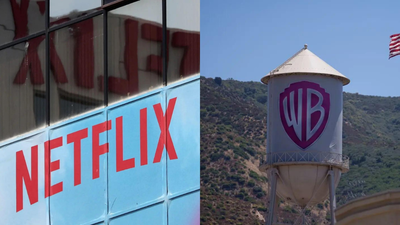
The US Department of Justice (DOJ) is reportedly investigating whether Netflix has engaged in anti-competitive practices. This comes as the DOJ investigates the company’s proposed $72 billion acquisition of Warner Discovery's studios and HBO Max streaming service.
The US government agency has reportedly subpoenaed other companies to question how Netflix competes with its rivals. The report claims that the agency is examining whether the streaming giant’s planned Warner deal could strengthen its market dominance or lead to a future monopoly. US law grants its agencies broad authority to oppose mergers that could create a monopoly.“Describe any other exclusionary conduct on the part of Netflix that would reasonably appear capable of entrenching market or monopoly power,” the agency asked in a civil subpoena sent to another entertainment company viewed by The Wall Street Journal. In December 2025, Netflix agreed to pay $27.75 a share in cash in a deal totalling $72 billion to acquire Warner Bros and its assets. Meanwhile, Paramount also made a $77.9 billion hostile bid for all of WB, including its cable-networks unit that houses CNN, TNT, Food Network, and other channels.
Inside Epstein’s ‘Creepiest Mail’ As DOJ Refuses To Unmask Mystery Sender | WATCH
In addition to Netflix’s offer, the DOJ is reviewing Paramount's proposed acquisition, which Warner has urged its shareholders to reject.
In its subpoena, the agency also asked whether either deal may hurt competition. It wondered how past studio or distributor mergers had affected competition for creative talent and sought information on how talent contracts vary across studios.
How DOJ and other regulators can block the Netflix-Warner Bros merger
Antitrust regulators can file lawsuits to block any deal that reduces competition. By scrutinising whether Netflix has unfairly hurt rivals, the DOJ can get another legal argument against the Warner acquisition.
The line of questioning also could give the department a window into how Netflix does business.Steven Sunshine, a lawyer for Netflix, said the company thinks the agency is conducting a standard review of its proposal to buy Warner's studio and streaming assets. “We have not been given any notice or seen any other sign that the DOJ is conducting a separate monopolisation investigation,”Sunshine said.“We are constructively engaging with the Department of Justice as part of the standard review of our proposed acquisition of Warner Bros. We remain focused on the value Netflix and Warner Bros. can create together,”a Netflix spokeswoman told WSJ.Meanwhile, a Paramount spokeswoman said the company's all-cash offer for all of Warner provides its investors with “value with a more certain, expedited path to completion.”However, DOJ’s investigation is in its early stages. The department's merger reviews can take up to a year, though they sometimes proceed more quickly. Regulators conduct many antitrust investigations, and not all lead to formal legal action against a deal.Both Netflix and Paramount are also likely to face antitrust review in Europe and in the UK. Regulators sometimes investigate whether to block a merger because the acquirer is already too powerful in a given market.The report noted that if the deal goes through, Netflix and HBO Max together would control around 30% of the US subscription streaming marketplace. Netflix has disputed the statistic, saying it isn't meaningful because 80% of HBO Max subscribers also subscribe to Netflix.
The company argues that it competes in a marketplace that also includes YouTube and other free video platforms on TV.Mergers between direct competitors are presumed illegal when the combined company would have more than 30% market share, according to Justice Department guidelines. However, U.S. law defines monopolies as having a market share of 60% or more.Netflix has said that a combination with Warner's HBO Max streaming service would account for only 10% of viewing time in US TV households.
The company has argued that Netflix doesn't directly compete with Warner Bros. and that its deal should be treated as a vertical merger, meaning Netflix is primarily a distributor of content and Warner is a supplier of movies and TV shows.Warner and Netflix have said they expect regulatory approval for the deal. This week, Ted Sarandos, co-CEO of Netflix, told the Senate Judiciary Committee that consumers would pay less for a bundled offering of Netflix and HBO Max.In a recent interview with NBC News, US President Donald Trump said that he wouldn't get involved in the deal and that it was up to the Justice Department. When asked about the Netflix Warner Bros deal, he said, “I've decided I shouldn't be involved. The Justice Department will handle it.”







 English (US) ·