

 1 day ago
5
1 day ago
5
ARTICLE AD BOX
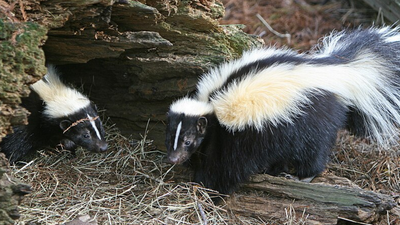
The skunk in your yard may be a warning sign you can't afford to ignore. Image Credits: Wikimedia Commons
If your house was built before 1988, chances are there’s something toxic sitting in the soil just around your foundation, and most Americans might not even know it.A 2025 peer-reviewed study, ‘Chlordane-Induced Neurotoxicosis in Urban and Suburban Detroit, Michigan Striped Skunks (Mephitis mephitis),’ by researchers from Michigan State University and the Michigan Department of Natural Resources, found that striped skunks living in and around Detroit were dying from a pesticide called chlordane, one that has been banned in the US since 1988.
In this study, 8 of 17 sick skunks examined between July and November 2022 had brain tissue chlordane compound levels above the diagnostic threshold for toxicosis. Three of these animals had brain levels above the dose that researchers consider lethal in bird species, and this is the first record of skunks dying from chlordane-induced neurotoxicosis.It is not only a wildlife story. It's a story about the ground that your house is probably sitting on.What is chlordane, and why should you care?Chlordane was a pesticide used across the United States from 1948 to 1988. For years, it was the standard treatment for termites, injected into the soil around the foundations of homes. According to the US EPA's chlordane fact sheet, all uses were cancelled in 1988, and the EPA classifies chlordane as a probable human carcinogen. The EPA noted humans have experienced neurological effects like headaches, dizziness, and convulsions after acute exposure.
And here’s the thing that often gets missed: banning a chemical doesn’t make it disappear. The 2025 Toxics study found that chlordane compounds have environmental half-lives of 10 to 20 years, resist environmental degradation, and continue to pose a risk to wildlife and public health long after use. The same study says chlordane was used to control termites in about 30 million American homes before it was banned. So, contaminated soil is not a problem confined only to Detroit.
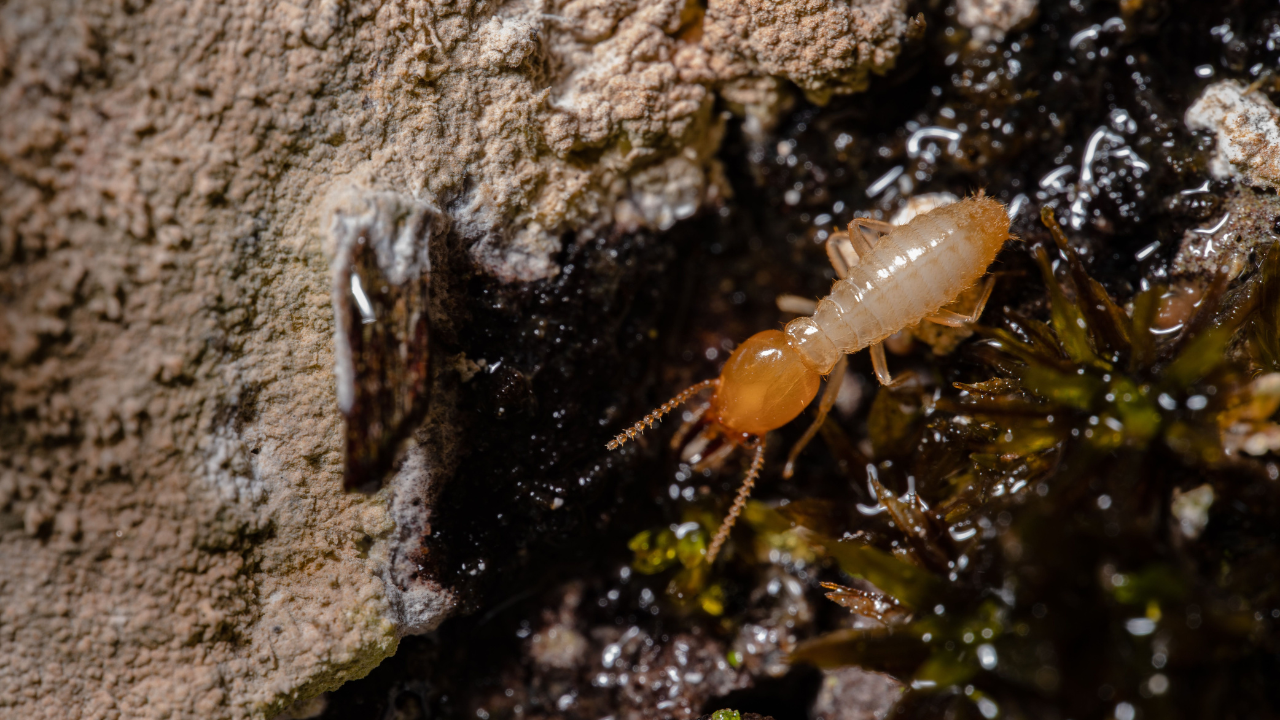
These tiny pests triggered the widespread use of one of America's most persistent toxic chemicals, and the consequences are still unfolding. Image Credits: Pexels
Why skunks are the messengersStriped skunks turn out to be some of the best and most unexpected indicators of what’s going on underneath urban soil. They make dens under the porches, garages, and home foundations, the very places where chlordane was applied. They also eat earthworms, beetles, and insects that contain large amounts of chlordane residues absorbed from contaminated soil.Between July and November 2022, 17 skunks showed up at the Michigan Department of Natural Resources Wildlife Disease Laboratory with worrying symptoms: loss of balance, altered mental state, tremors, and convulsions.
In this study, researchers ruled out rabies, canine distemper virus, highly pathogenic avian influenza, and bromethalin poisoning before concluding that chlordane was the cause. Concentrations of chlordane compounds in the liver were about 10 times higher than concentrations in the brain when adjusted for the weight of the lipid, the Toxics study found.
That finding may provide a means to predict lethal brain exposure even in the absence of brain tissue for testing.Of the 17 skunks, 10 (59%) were from Wayne County, Michigan, which includes the Detroit suburbs of Livonia, Dearborn Heights, and Redford, an area with a well-documented history of industrial and chemical contamination.The human health connectionThe risks might not stop at wildlife. The 2025 Toxics study associates human exposure to chlordane compounds with type 2 diabetes, lymphoma, prostate cancer, breast cancer, and a range of neurological effects, including long-term neurological damage.
Humans are mainly exposed through contaminated food, but also by inhalation and skin contact.
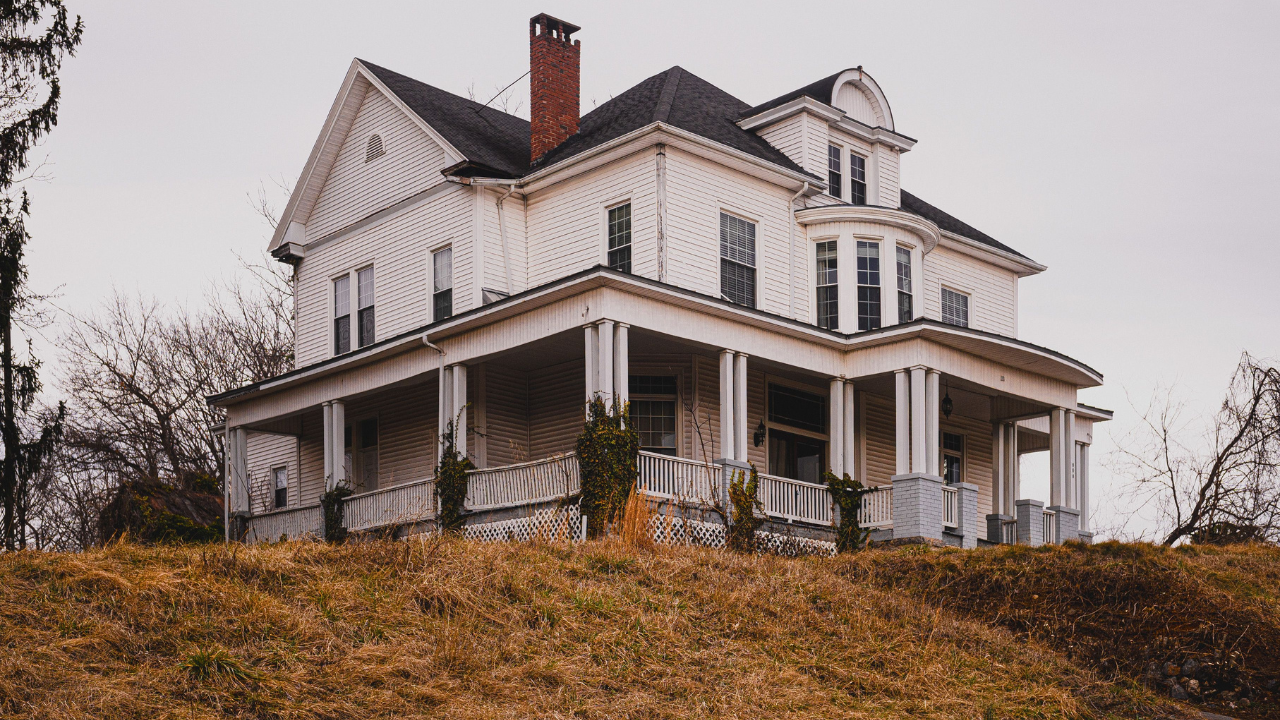
Your old home may look fine on the surface, but what's underneath is a different story. Image Credits: Pexels
Wildlife health has long been an early warning system for broader environmental risk for wildlife scientists. When urban animals that live, sleep, and feed in close contact with residential soil begin to die from a pesticide that was banned decades ago, it’s worth taking notice.What you can actually doThat said, it's not a reason to panic. It’s a reason to ask questions, especially if you live in, rent, or are thinking of buying an older home.If you live in a house built before 1988, begin by finding out if the house was ever treated for termites and consider testing the soil around your foundation for organochlorine pesticides, including chlordane. You should also avoid planting a vegetable garden immediately adjacent to an older, untested foundation, because chlordane can migrate from soil into plant matter. And if you are buying or renting a pre-1988 property, it is fair and reasonable to ask about its history of pesticide treatment.According to the researchers behind the Toxics study, there is an obvious need for more extensive, routine monitoring of chlordane in urban wildlife, soil, and human populations in U.S. cities where the chemical was heavily used. The skunks of Detroit are giving us a warning. The question is whether we are listening.









 English (US) ·