

 1 hour ago
5
1 hour ago
5
ARTICLE AD BOX
Last Updated:July 09, 2026, 09:11 IST
The agreement bought time, not peace. Here's why the US-Iran ceasefire unravelled in less than a month.


US President Donald Trump and Iran's Supreme leader Mojtaba Khamenei (Photos: AFP)
Barely three weeks after US President Donald Trump hailed a ceasefire with Iran as a diplomatic breakthrough, the agreement has unravelled, pushing the Middle East back towards a dangerous cycle of military escalation.
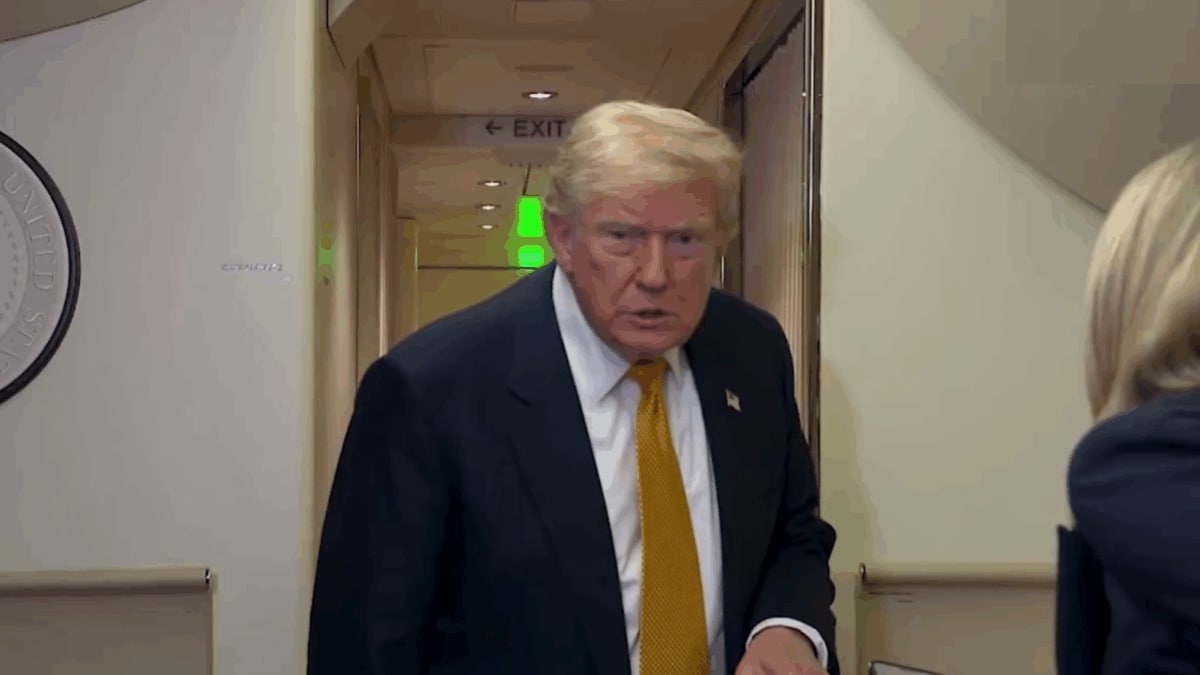
Speaking on the sidelines of the NATO summit in Ankara on July 8, Trump declared that the ceasefire was “over" and dismissed further negotiations with Tehran as “a waste of time", after both countries exchanged fresh military strikes. Iran targeted commercial shipping in the Strait of Hormuz and later launched retaliatory attacks on US military installations in Bahrain and Kuwait after Washington struck more than 80 Iranian targets and reimposed sanctions on Iranian oil sales.
The speed with which the truce collapsed has raised an obvious question: was the ceasefire ever built to last?
The agreement may have been less a durable peace settlement and more a pause in hostilities that left the core drivers of the conflict untouched.
Why The Ceasefire Was Inherently Fragile
The ceasefire signed at Versailles on June 18 was widely presented as a breakthrough. Trump described it as Iran’s “unconditional surrender", while the agreement offered Tehran limited economic relief through the easing of restrictions on its oil exports in exchange for reopening the Strait of Hormuz to commercial shipping.
However, the agreement resembled a deferred crisis rather than a lasting peace. It paused active fighting without addressing the issues that had triggered the conflict in the first place.
That meant the deal contained the seeds of future confrontation from the moment it was signed.
The memorandum of understanding (MoU) linked two immediate objectives: restoring freedom of navigation through one of the world’s busiest oil chokepoints and easing economic pressure on Iran through sanctions relief. But several broader regional disputes remained unresolved.
The Missing Piece: Israel And Lebanon
Perhaps the biggest weakness in the agreement was that it did little to address the security concerns of Israel or the future of Iran-backed armed groups in Lebanon.
One of Iran’s principal objectives was preventing further Israeli military action against Hezbollah, which remains one of Iran’s most important regional allies. Israel, however, was not a party to the ceasefire agreement.
For Israeli Prime Minister Benjamin Netanyahu, suspending military operations against Hezbollah indefinitely in exchange for a US-Iran understanding was never considered a viable long-term security arrangement. Reports at the time suggested Netanyahu was deeply unhappy with the deal, while later remarks reinforced Israel’s position that the conflict had merely paused rather than ended.
Shortly after the agreement was signed, Netanyahu said Israel’s “struggle is not over" and that its military would “remain in these security zones for as long as necessary to defend our country".
Why The Strait Of Hormuz Remains The Conflict’s Biggest Pressure Point
Roughly a fifth of the world’s traded oil passes through the narrow waterway connecting the Persian Gulf with international shipping routes. Any disruption immediately affects global energy prices and international trade.
The June ceasefire effectively relied on Iran keeping the strait open in exchange for sanctions relief. But once Washington restored restrictions on Iranian oil exports following renewed hostilities, Tehran lost one of the agreement’s biggest economic incentives.
The latest escalation has already pushed oil prices higher, reviving concerns over inflation and fuel costs.
Why Restraint Became Increasingly Difficult
Military confrontations often end not because underlying disputes disappear but because all sides believe restraint serves their interests. That balance gradually broke down for each of the principal actors.
For Trump, every attack on commercial shipping undermined the credibility of an agreement he had promoted as a diplomatic success. Rising oil prices also carry domestic political risks, particularly with US elections approaching, while repeated Iranian attacks risk creating the perception that Washington is reacting to Tehran’s actions rather than shaping events.
For Iran, renewed sanctions erased much of the economic benefit promised under the agreement, reducing incentives to continue observing the ceasefire.
Israel, meanwhile, never accepted the ceasefire as a comprehensive settlement. Its security establishment continued viewing military action against Iranian-backed groups as necessary regardless of US diplomatic efforts.
As these competing calculations hardened, restraint became increasingly difficult to sustain.
What Happens Next?
The immediate question is whether both sides are still signalling, or whether the ceasefire has truly crossed the point of no return.
Muhanad Seloom of the Doha Institute of Graduate Studies told Al Jazeera that the US initially appeared to be keeping its response limited, suggesting it may not have wanted to fully abandon the MoU. “If the US wanted to use force in a different way, they would be choosing different targets," he said.
Trump’s remarks at the NATO summit, where he declared the ceasefire “over", have now made that position harder to sustain.
Harlan Ullman, a retired senior US naval officer, told Al Jazeera that Iran may have attacked commercial ships to provoke Washington at a sensitive moment. “My view is Iran is taunting the United States," Ullman said.
He argued that Iran may be trying to widen differences between Trump and NATO, while also calculating that Washington’s response could be constrained by the funeral processions for Ayatollah Ali Khamenei across Iran.
Ullman also said Iran could be trying to buy more time for negotiations before the August deadline, adding that “whether this is going to be peace or war, my guess is that both sides will want to de-escalate".
Handpicked stories, in your inbox
A newsletter with the best of our journalism
About the Author
Karishma Jain, Chief Sub Editor at News18.com, writes and edits opinion pieces on a variety of subjects, including Indian politics and policy, culture and the arts, technology and social change. Follo...Read More
News world US-Iran Ceasefire Collapses: Why The Deal Was Fragile From Day One
Disclaimer: Comments reflect users’ views, not News18’s. Please keep discussions respectful and constructive. Abusive, defamatory, or illegal comments will be removed. News18 may disable any comment at its discretion. By posting, you agree to our Terms of Use and Privacy Policy.
Read More




 English (US) ·