

 1 hour ago
6
1 hour ago
6
ARTICLE AD BOX
Last Updated:April 30, 2026, 09:38 IST
From nuclear disagreements to maritime tensions and domestic pressure in Washington, multiple factors are testing the durability of the US-Iran ceasefire.


Iran's New Supreme Leader Mojtaba Khamenei and US President Donald Trump | File Image
The current ceasefire between the United States and Iran was never meant to be a permanent solution. It emerged as a temporary pause in a rapidly escalating conflict across West Asia, even as both sides continued to test each other’s red lines.
Weeks into the truce, that fragile balance is beginning to fray. Talks have stalled, proposals are being rejected, and tensions on the ground — from maritime routes to regional theatres like Lebanon — continue to simmer.
US President Donald Trump has publicly signalled frustration with Tehran’s latest proposal, warning that Iran must “get smart soon", while his administration has simultaneously tightened economic pressure and maintained military leverage.
“Iran can’t get their act together," Trump wrote on his Truth Social platform on Wednesday. “They don’t know how to sign a nonnuclear deal. They better get smart soon!"
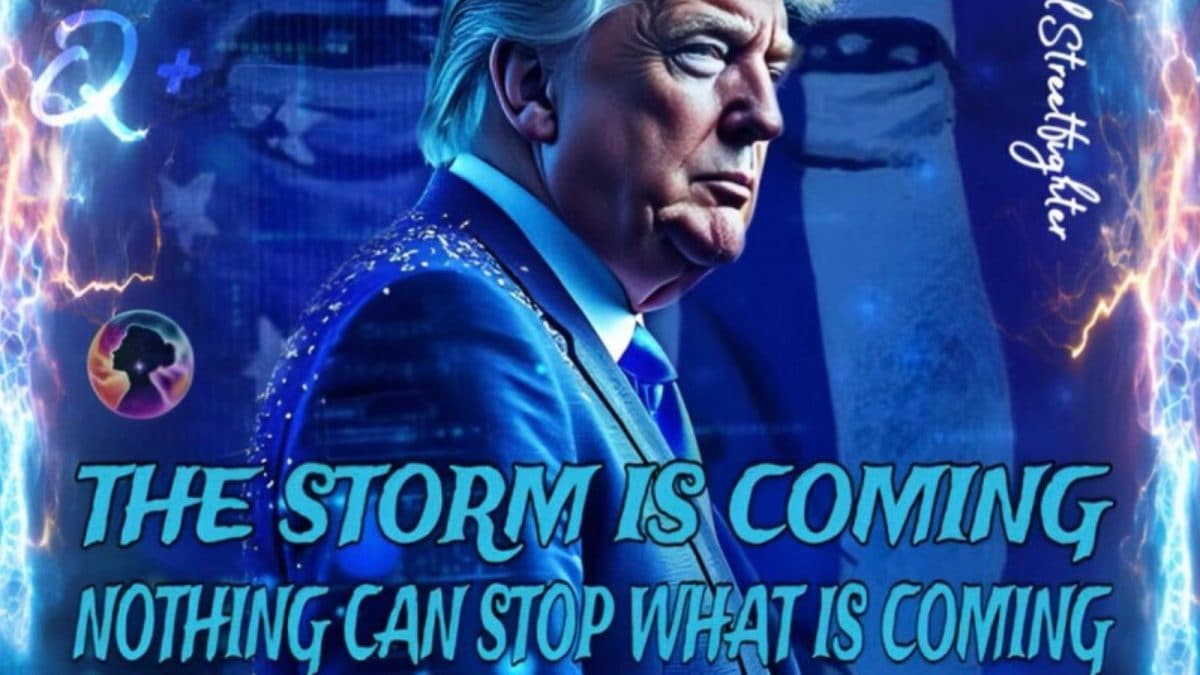
The president included an AI-generated photo of himself carrying an assault rifle, with bombs exploding on a mountainside behind him. A banner over the image read: “NO MORE MR. NICE GUY!"
Here are five key reasons why the ceasefire remains on thin ice.
No Breakthrough On The Nuclear Question
At the heart of the impasse lies Iran’s nuclear programme — the single biggest obstacle preventing a durable agreement.
Washington has pushed for sweeping concessions, including a 20-year suspension of Iran’s nuclear programme and the surrender of its highly enriched uranium stockpile. Tehran has repeatedly rejected these demands.
Iran’s latest proposal deliberately sidesteps the issue, focusing instead on de-escalation and reopening maritime routes, while postponing nuclear negotiations to a later stage. This marks a shift from an earlier offer that included a phased, 10-year framework involving limited enrichment and partial transfer of uranium stockpiles to Russia under international oversight.
The US response has been unequivocal. Trump dismissed the proposal as “not good enough", reinforcing Washington’s position that “Iran can never possess a nuclear weapon".
According to Rob Geist Pinfold, a lecturer in international security at King’s College London, both sides are now locked in what he described to Al Jazeera as “intense competition".
“Both sides are basically trying to signal to the other that they have more resilience, that time is on their side," he said.
Strait Of Hormuz Remains A Flashpoint
Even as ceasefire talks continue, the situation in the Strait of Hormuz remains volatile.
Iran has maintained control over shipping lanes since the conflict began, with reports of attacks on vessels, sea mines, and the imposition of steep transit charges. At the same time, the US has enforced a counter-blockade targeting Iranian ports and vessels, effectively choking Tehran’s oil exports.
This has created a strategic deadlock: Iran has refused to ease restrictions unless the US lifts its blockade, while Washington has shown little willingness to concede.
Tehran’s latest proposal places heavy emphasis on reopening the Strait, but also includes plans to formalise charges on passing ships — a move the US has historically opposed.
Even if both sides agree in principle, practical challenges remain. The clearance of naval mines, which Trump said the US Navy has already begun, could take months and may not immediately restore confidence among global shipping operators.
Lebanon Conflict Continues To Undermine The Truce
A US-mediated ceasefire between Israel and Hezbollah came into force on April 16 and has been extended to mid-May. While it has led to a significant reduction in hostilities, the truce has been repeatedly strained by continued exchanges of fire.
Lebanon’s health ministry said Israeli strikes in the country’s south killed 14 people on Sunday — the deadliest day since the ceasefire began — including two women and two children, with 37 others wounded. Israel said one of its soldiers was also killed.
Israeli Prime Minister Benjamin Netanyahu has accused Hezbollah of “dismantling the ceasefire", stating that Israel is acting “vigorously according to the rules we agreed upon with the United States, and also, by the way, with Lebanon." Hezbollah, in turn, has said it will not stop attacks on Israeli troops and northern Israeli towns as long as Israel continues its “ceasefire violations", adding that it will not wait for diplomacy that has “proven ineffective".
Israeli forces are also operating inside what they describe as a “yellow line" — a roughly 10-km-deep stretch inside Lebanese territory along the border — further complicating the situation on the ground.
Economic Pressure And Oil Shockwaves
The economic fallout of the standoff is becoming increasingly visible, with global oil markets reacting sharply to the prolonged deadlock.
Brent crude surged past $122 per barrel on Wednesday, its highest level since 2022, amid stalled ceasefire negotiations and the near closure of the Strait of Hormuz. In a single-day jump of nearly 10 per cent, prices briefly crossed $122 before settling around $120, underscoring the volatility triggered by the crisis.
The spike reflects growing market anxiety over supply disruptions. With the US maintaining its naval blockade of Iranian ports and Tehran continuing to restrict movement through the Strait, a key global energy artery remains effectively choked.
Economists are now warning of more severe consequences if the situation drags on. Oxford Economics has cautioned that a prolonged six-month impasse could push oil prices as high as $190 per barrel by August.
Concerns are not limited to energy markets alone. Economist Paul Krugman has warned that the global economy may be underestimating the risks. In a recent assessment, he said a “full-on global recession is more likely than not" if the Strait remains closed for another three months.
For the United States, the economic impact carries domestic political implications as well. Rising fuel prices are feeding into inflation concerns and could shape voter sentiment ahead of the upcoming midterms, adding pressure on the Trump administration to either secure a deal or manage the fallout more effectively.
Time Pressure From US Domestic Law
Beyond geopolitics, domestic legal constraints in the United States are adding urgency to the situation.
Under the War Powers Act, a US president can engage military forces without congressional approval for only 60 days. That window is now closing.
Trump had submitted his report on the conflict in early March, setting up a deadline that could force Congress to either authorise continued military action or demand a withdrawal.
While past presidents have challenged or bypassed the law, the current political climate makes the situation more complicated. Public opinion has turned increasingly critical of the conflict, with surveys indicating significant opposition among Americans.
There are also signs that some lawmakers within Trump’s own party may not fully back an extended military engagement.
If US forces remain deployed beyond May 1, the War Powers Act — rarely enforced in practice — could suddenly become central to the next phase of the crisis.
Handpicked stories, in your inbox
A newsletter with the best of our journalism
First Published:
April 30, 2026, 09:38 IST
News world US-Iran Ceasefire On Thin Ice: Five Key Reasons Why The Truce Is Fraying
Disclaimer: Comments reflect users’ views, not News18’s. Please keep discussions respectful and constructive. Abusive, defamatory, or illegal comments will be removed. News18 may disable any comment at its discretion. By posting, you agree to our Terms of Use and Privacy Policy.
Read More






 English (US) ·