

 1 hour ago
3
1 hour ago
3
ARTICLE AD BOX
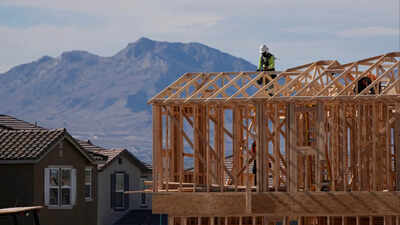
Freddie Mac's weekly survey, the benchmark gauge for US home-loan costs, showed the average 30-year fixed mortgage rate slipping to 6.47% from 6.52% the week before, as reported by AP.
That's down from 6.81% a year ago.The 15-year fixed rate, popular with people refinancing, also eased to 5.81% from 5.84%, compared with 5.96% a year earlier.The move marks a reversal from two weeks ago, when 30-year rates touched 6.53%, their highest point since late August.Rates had briefly dipped under 6% in late February for the first time since 2022, but haven't gotten close to that level since.
What's driving this
Mortgage rates track the 10-year treasury yield, which lenders lean on to price home loans.
That stood at 4.47 per cent on Thursday, up slightly from 4.45 per cent a week earlier. Before the conflict began, it was around 3.97% in late February.The conflict had pushed rates broadly higher for months by disrupting oil shipments through the Strait of Hormuz, a critical artery for global crude supply.Higher oil prices fed inflation worries, which in turn pressured bond yields and mortgage costs upward. The tentative agreement reached earlier this week, which reopened the strait and let Iran sell oil freely again, eased some of that pressure.
Separately, the Federal Reserve held its benchmark interest rate steady on Wednesday, in the first meeting led by new Chair Kevin Warsh following Jerome Powell's eight-year tenure.With inflation still running above the Fed's 2% target, several policymakers signaled openness to at least one rate hike later this year — a reminder that the path for rates isn't guaranteed to keep heading down.
What this means for buyers
Lower borrowing costs typically translate into better affordability and more purchasing power for prospective buyers, but the relief here is modest.Mortgage applications, a leading indicator of homebuying activity, slipped in the most recent week tracked by the Mortgage Bankers Association but that followed a 10.8% jump the week before, suggesting demand is choppy rather than steadily retreating.The higher-rate environment continues to weigh on the US housing market. Sales of previously owned homes were largely unchanged in April after declining on a year-on-year basis during the first three months of 2026, extending a housing slowdown that began in 2022 as mortgage rates moved away from pandemic-era lows.Even so, sales are running near a 4-million annual pace, which is well below the historical norm of about 5.2 million.However, there is one bright spot too. Pending home sales rose last month, a hopeful signal for the second half of the year after a sluggish spring selling season.









 English (US) ·