

 1 hour ago
4
1 hour ago
4
ARTICLE AD BOX
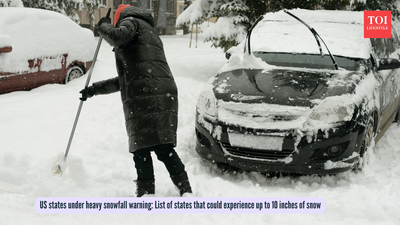
Spring has arrived in the US, but a powerful late-season snowstorm is bringing life-threatening cold and heavy snow to many regions. Meteorologists call this "weather whiplash," a clash of polar air and storm systems. The National Weather Service warns of dangerous driving conditions and advises avoiding travel due to rapid snowfall rates and potential for impassable roads.
The start of spring has arrived in the United States, but winter is refusing to let go. In just a few days, many parts of the US have gone from record‑breaking warmth to life‑threatening cold, as a powerful late‑season snowstorm sweeps across large swaths of the country.This sudden and unexpected change in weather, often called “weather whiplash,” is what meteorologists discuss when a strong burst of cold polar air meets moist storm systems. This collision can bring heavy snow, ice, and strong winds. At the same time, the National Weather Service (NWS) has issued a heavy snow warning for several states, warning of up to 10 inches of snow in some places. The NWS is advising people to avoid travel, saying conditions could make driving extremely dangerous or even impossible.
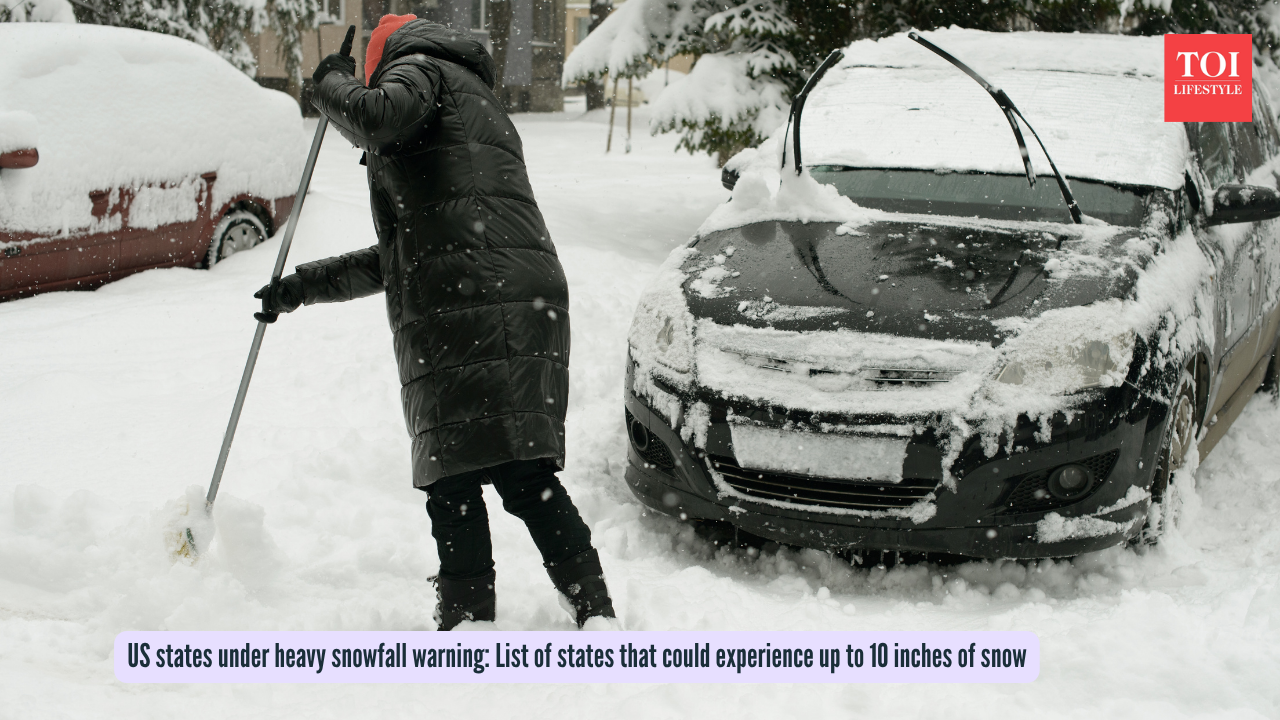
US states under heavy snowfall warning: List of states that could experience up to 10 inches of snow(Photo via Canva)
Why is the US facing snowstorms in Spring?
According to the NWS, the storm is linked to a volatile polar air mass moving south, bringing rapid snowfall, gusty winds, and plummeting temperatures through Tuesday. Weather agencies stress that people should avoid commuting unless absolutely necessary, as visibility could drop sharply and roads may become impassable.
List of US states where a heavy snow warning has been issued for up to 10 inches of snowfall
The most severe impacts are expected across the Northeast and parts of the Pacific Northwest, with multiple states under active alerts.
According to the latest NWS bulletins, New York and Vermont are seeing the strongest snowfall in higher elevations, where totals could reach 6 to 10 inches. “Periods of moderate snow and low visibility will be the biggest hazards,” the NWS has warned, highlighting that these conditions are likely to result in “dangerous driving conditions.
”In Maine and New Hampshire, heavy snow is expected to fall on top of freezing drizzle, creating a “light glaze” of ice underneath.
Local NWS offices caution that this combination will make walkways and secondary roads extremely treacherous, and that even short trips could become risky.Further west, Alaska and Hawaii are also feeling winter’s bite. In Alaska, the National Weather Service has warned of up to 6 inches of snow in parts of the southeastern regions, with strong winds and reduced visibility.On Hawaii’s Big Island, the summits are under a Winter Storm Warning, with additional snow and 35 mph winds expected.
According to the NWS‑Hawaii bulletin, “heavy snowfall and strong winds” are forecast for the peaks.
Why has a warning been issued to avoid travel amid snowfall?
One of the main reasons the NWS is warning that travel could become impossible is the speed at which the snow is falling. Meteorologists explain that snowfall rates may exceed one inch per hour during the peak of the storm, outpacing the ability of plows and road crews to keep highways clear. As rain changes to heavy snow, that quickly‑accumulating slush can turn into drifts, especially where gusty winds are blowing.









 English (US) ·