

 4 hours ago
3
4 hours ago
3
ARTICLE AD BOX
Last Updated:December 17, 2025, 14:27 IST
Citizens from these seven countries, along with holders of Palestinian Authority documents, are now barred from entering the United States under the expanded travel ban.
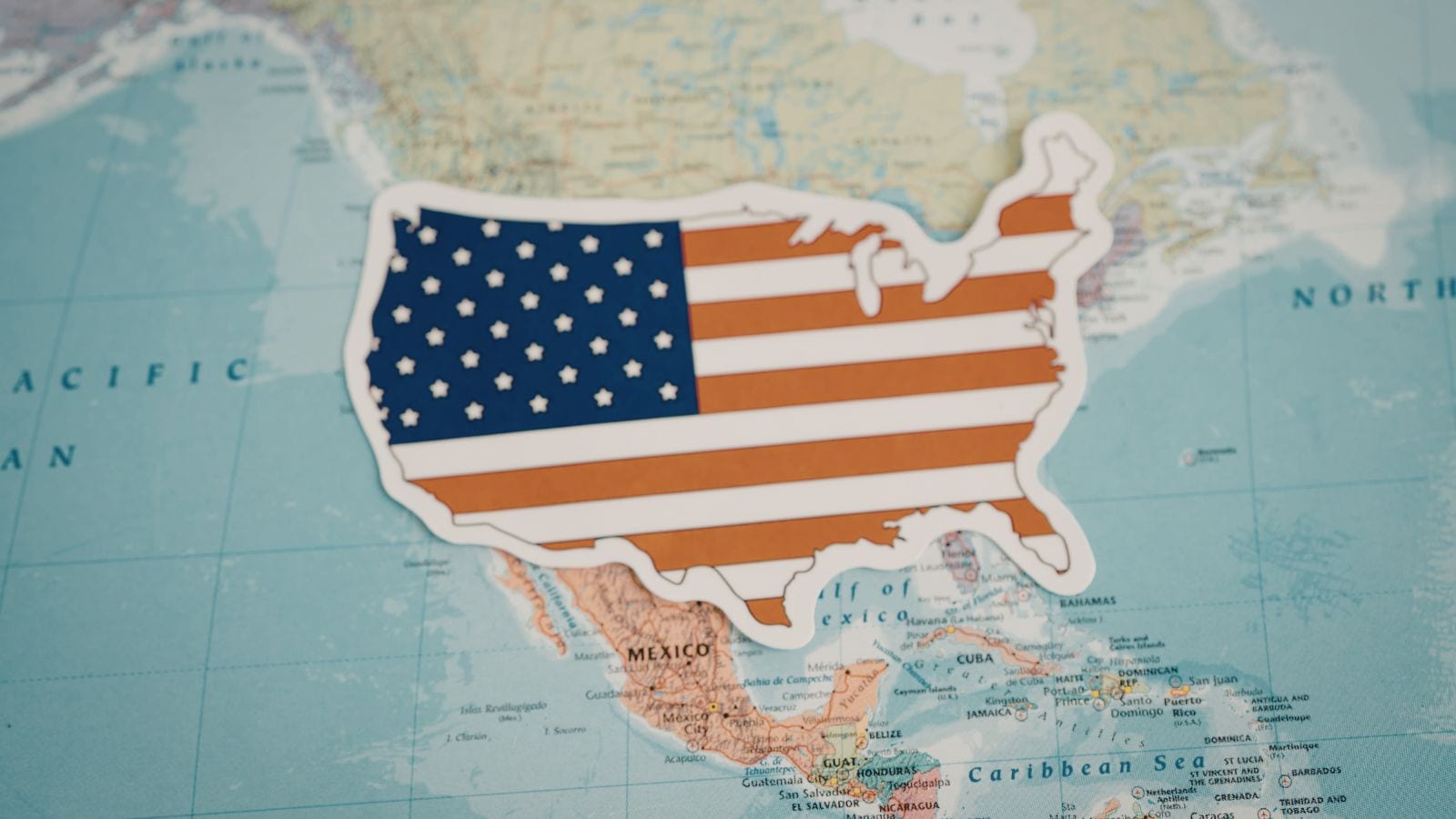
The United States has expanded its travel ban, blocking citizens from seven additional countries from entering America starting January 1, 2026. The move, announced by President Donald Trump, cites national security concerns, weak vetting systems, and high visa overstay rates. (Image: Canva)
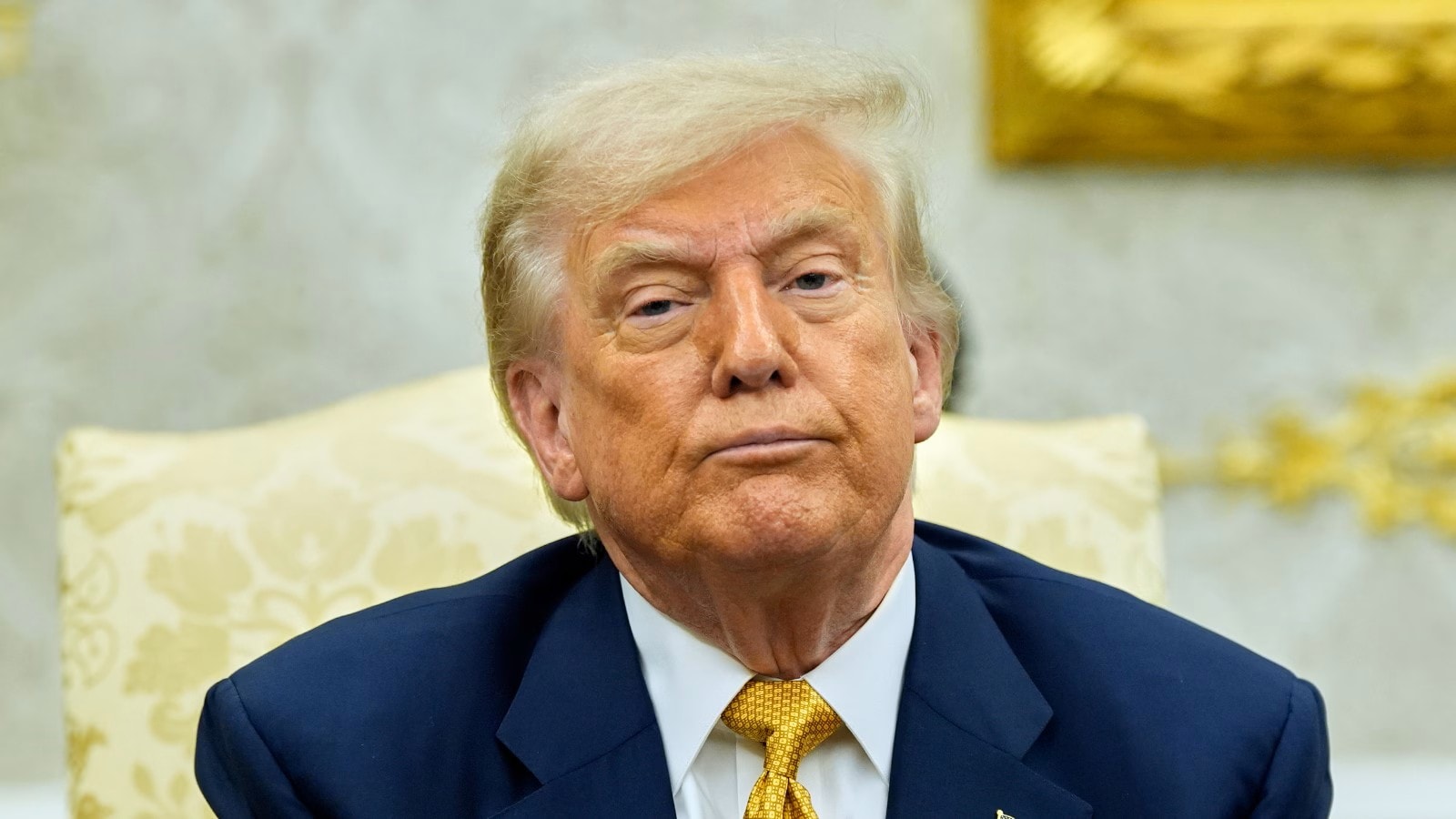
On December 16, 2025, President Trump signed a proclamation that widened America’s existing travel restrictions. The new order imposes complete entry bans on citizens from Burkina Faso, Mali, Niger, South Sudan, Syria, Laos, and Sierra Leone. In addition, holders of Palestinian Authority-issued travel documents are also barred from entry. (File Photo)
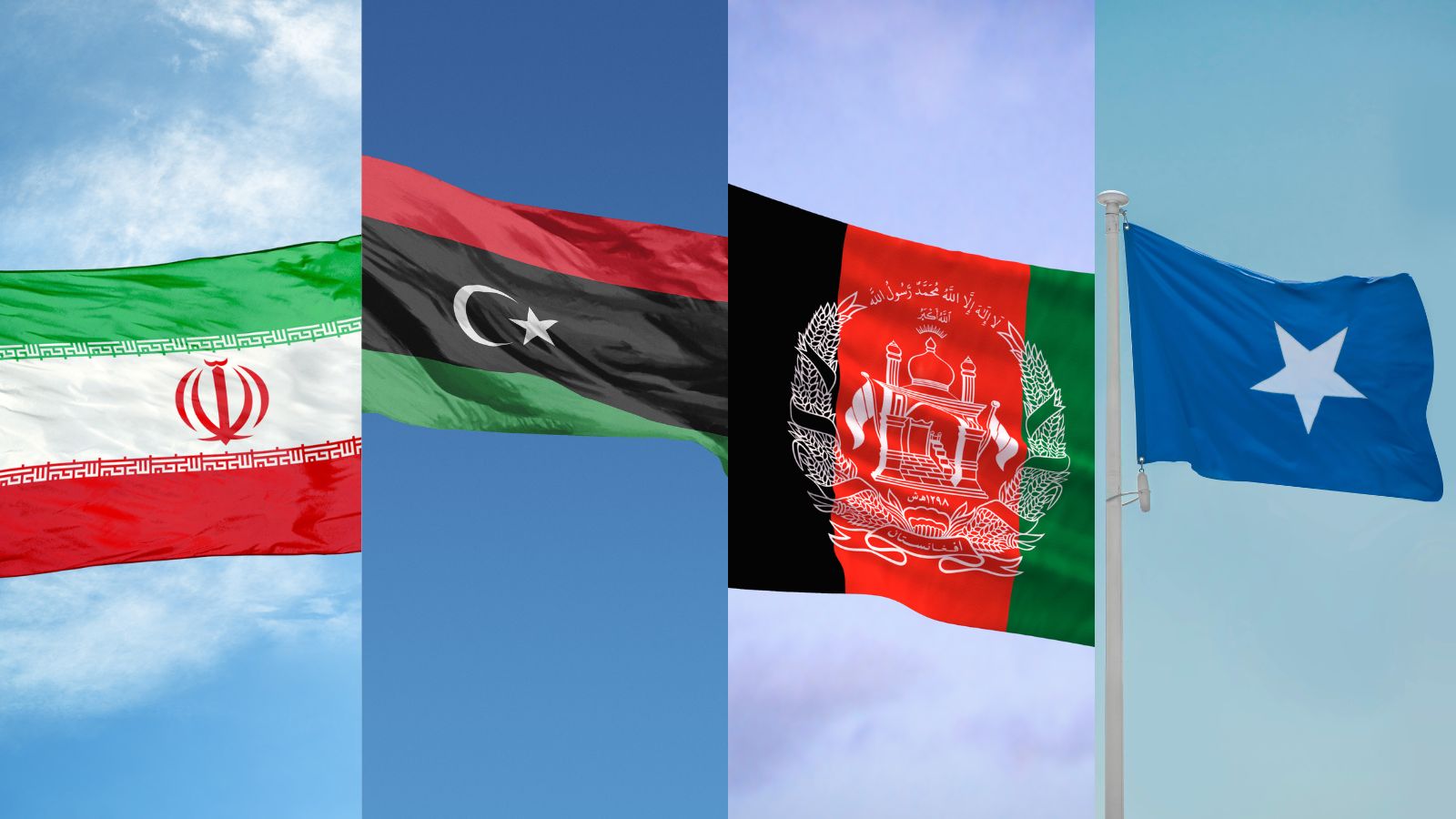
This expansion builds on earlier bans that already covered countries such as Iran, Libya, Somalia, and Afghanistan. With the latest additions, the total number of nations facing full or partial restrictions now exceeds 30. (Image: Canva)
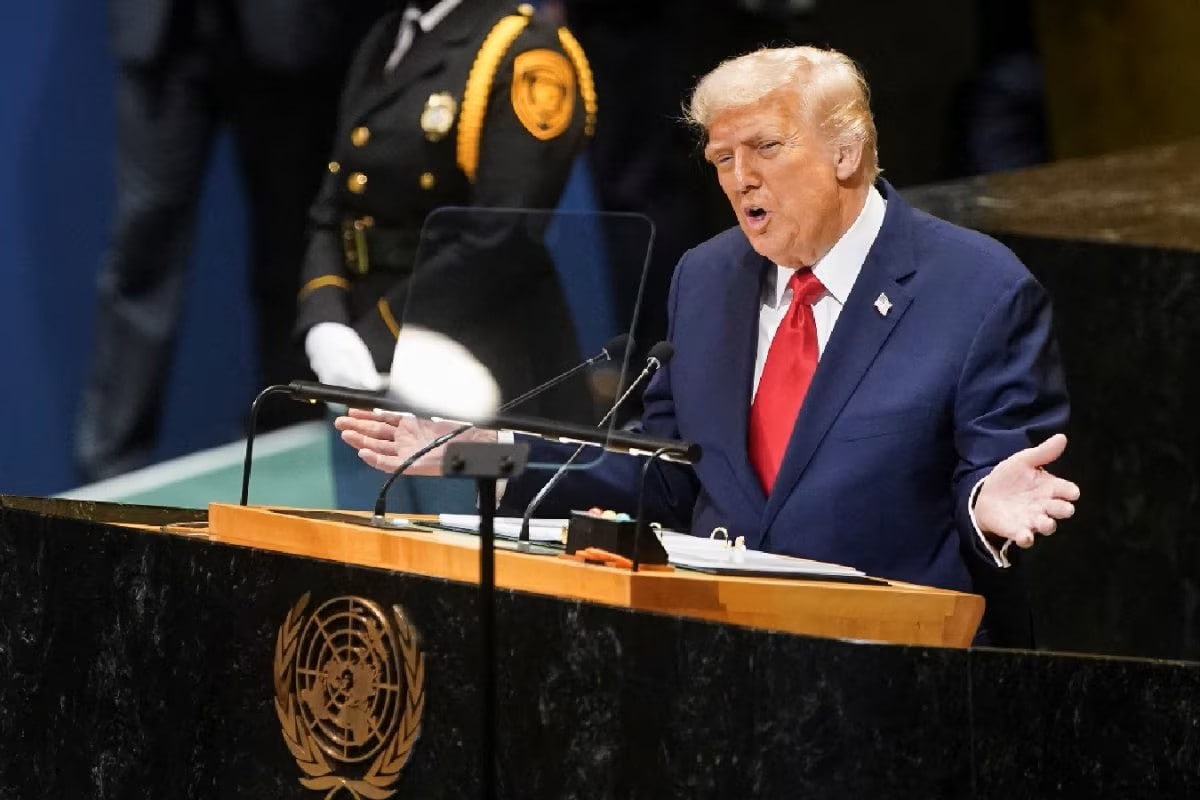
The White House explained that the decision was based on persistent deficiencies in screening, vetting, and information-sharing by the affected nations. Officials argued that these shortcomings make it difficult for U.S. authorities to assess the risks posed by incoming travelers. (File Photo)
High visa overstay rates and concerns about terrorism networks were also cited. For example, Syria has long been under scrutiny due to ongoing conflict and extremist activity, while West African nations like Burkina Faso, Mali, and Niger have faced instability and insurgencies. (Image: Canva)
For individuals from the seven newly banned countries, the proclamation means they cannot travel to the United States for work, study, tourism, or family visits. Unlike earlier restrictions that allowed certain exemptions, this expansion is a complete suspension of entry. (Image: Canva)
Employers, universities, and families in the U.S. who were expecting visitors from these nations will be directly affected. The ban also tightens rules on family-based visa exemptions, narrowing opportunities for reunification. (Image: Canva)
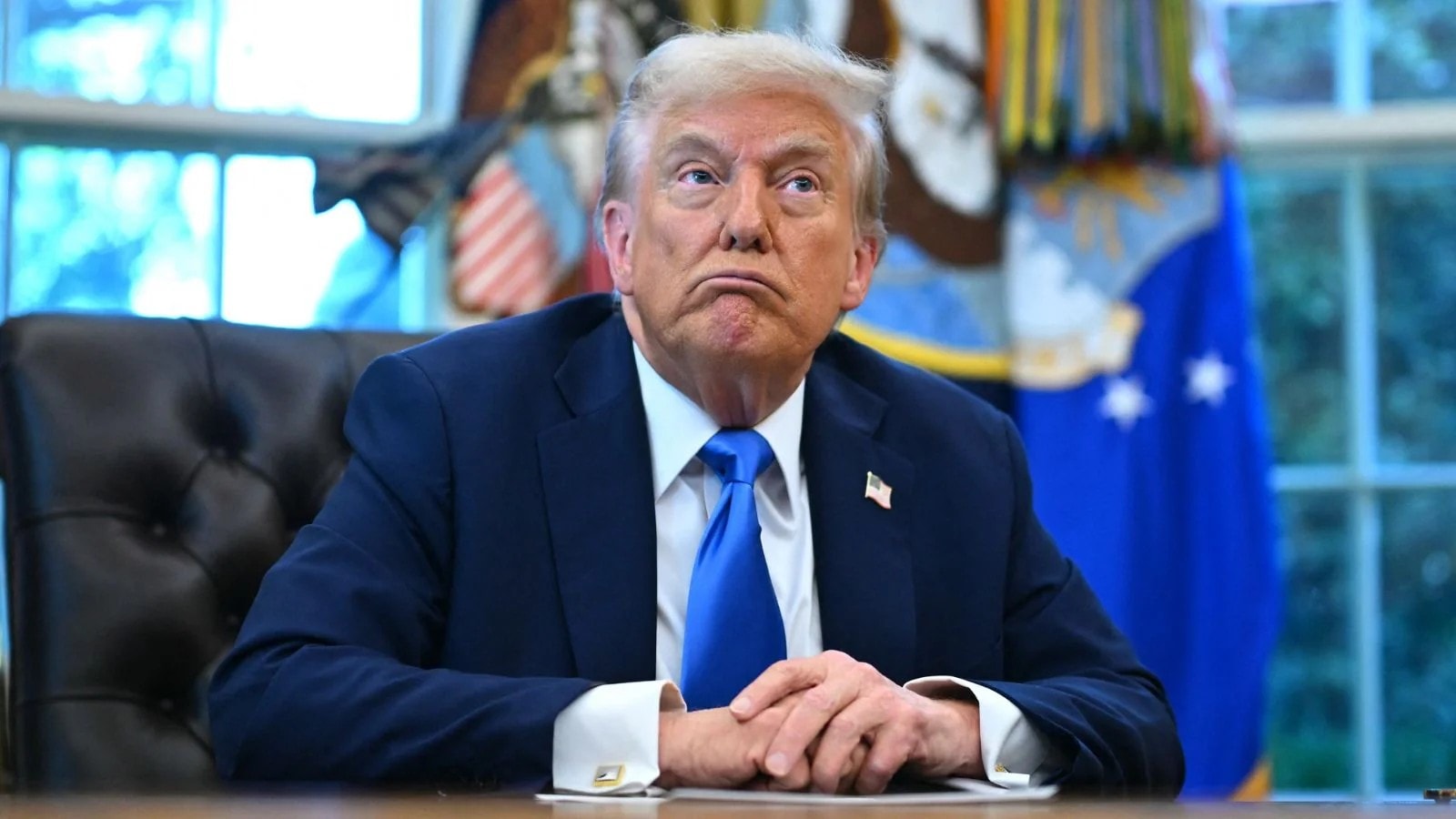
The updated travel ban has sparked debate internationally. Critics argue that such blanket bans risk stigmatizing entire populations and may harm diplomatic relations. Human rights groups have raised concerns about the impact on refugees and students. Supporters, however, claim the measures are necessary to protect U.S. national security and prevent misuse of visas. The administration insists that the restrictions are based on data and risk assessments rather than discrimination. (File Photo)
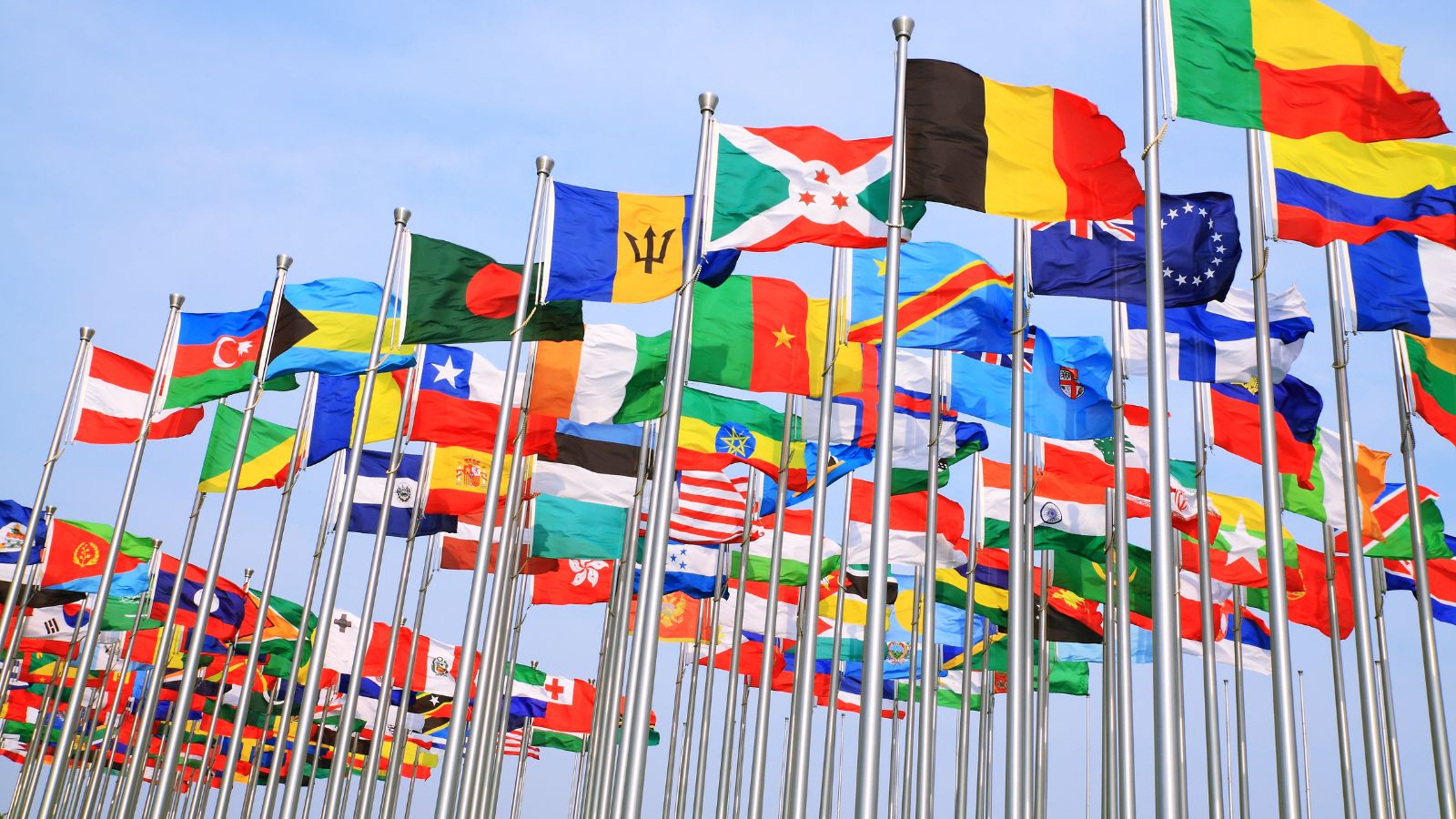
This is not the first time the U.S. has expanded its travel ban. Earlier versions targeted predominantly Muslim-majority countries, sparking controversy and legal challenges. The latest expansion shows the administration’s continued reliance on entry restrictions as a tool for immigration control. (Image: Canva)
With the new proclamation, the U.S. now enforces one of the most extensive travel bans in its history, covering nearly 40 countries in total when partial restrictions are included. (Image: File pic)
News Photogallery world US Travel Ban: Citizens From 7 New Nations Barred From Entry, Check If Your Country Is On The List







 English (US) ·