

 3 hours ago
6
3 hours ago
6
ARTICLE AD BOX
Last Updated:April 14, 2026, 21:38 IST
Iran’s economy is expected to contract by 6.1% this year following intense US-Israeli strikes, a steep downgrade from earlier projections.


Donald Trump announced a two-week pause in strikes on Iran. (Reuters)
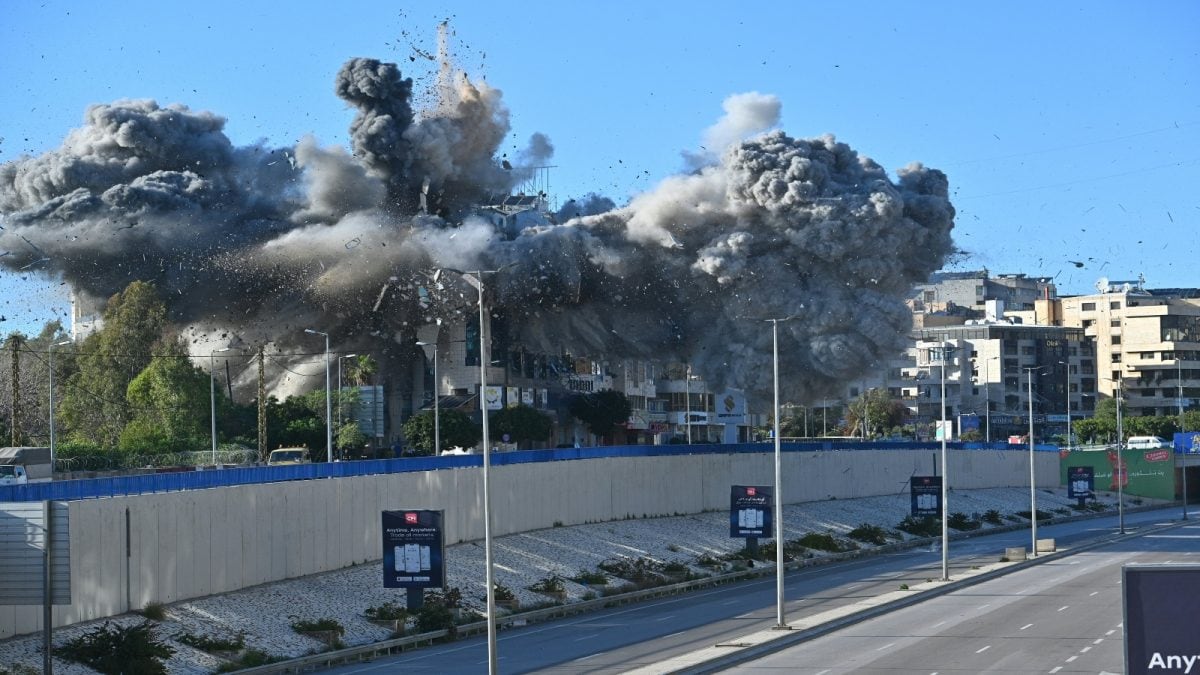
The ongoing conflict involving Iran is taking a heavy toll on economies across West Asia, with the International Monetary Fund sharply lowering its regional growth forecast and warning of widespread economic damage. In its latest World Economic Outlook, the IMF cut its 2026 growth projection for the West Asia and North Africa region to just 1.1%, down from 3.9% estimated in January. The downgrade reflects the severe disruption to oil and gas production and exports caused by weeks of fighting.
Read more: 3 Reasons Why IMF Kept India’s Growth Outlook Steady Despite West Asia War
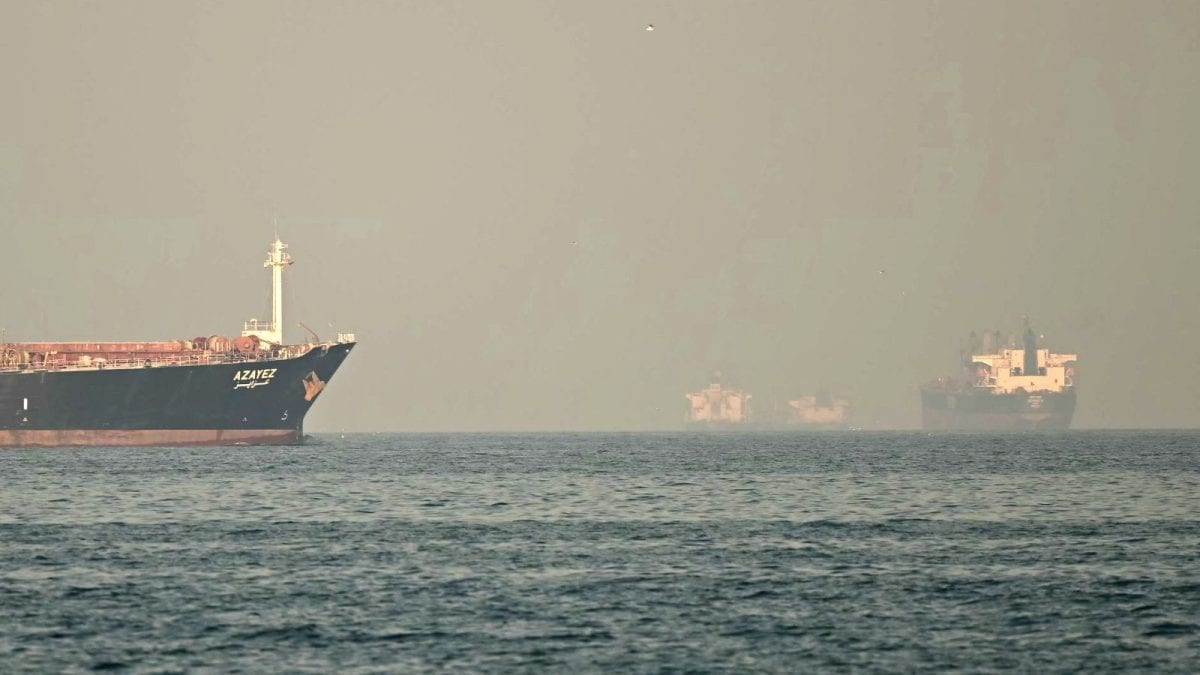
At the heart of the crisis is the near shutdown of the Strait of Hormuz, a critical route through which much of the Gulf’s energy supplies reach global markets. The conflict has damaged key infrastructure and choked off exports, hitting economies that rely heavily on energy revenues.
Oil Shock Ripples Across West Asia
The impact has been most severe for major energy exporters directly caught in the conflict. Iran’s economy is expected to contract by 6.1% this year following intense US-Israeli strikes, a steep downgrade from earlier projections. Qatar faces an even sharper contraction of 8.6% after damage to its main liquefied natural gas facilities, while Iraq is projected to shrink by 6.8%. The IMF said reduced production and exports among commodity exporters have led to “severe downward revisions" in growth forecasts.
Read more: PM Modi, Trump Hold 40-Minute Call On West Asia, Stress Open And Secure Hormuz
Countries heavily dependent on the Strait of Hormuz have been particularly vulnerable. Bahrain and Kuwait, both targeted and reliant on the route, are now expected to slip into contraction, with their economies shrinking by 0.5% and 0.6% respectively. Even larger economies have not been spared. Saudi Arabia, which has alternative export routes via the Red Sea, is projected to grow 3.1%- down significantly from earlier estimates. The United Arab Emirates is also expected to see slower growth at 3.1%, compared with 5.8% last year.
Beyond Oil: Wider Economic Pain
The fallout is not limited to energy exporters. Countries that import fuel are also feeling the strain of rising prices and supply disruptions. Egypt, for instance, has seen its growth forecast cut to 4.2%. The IMF warned that the scale of economic damage depends on how much infrastructure has been hit and how long the disruption to transport routes continues. While the IMF expects growth to rebound in 2027, this outlook depends heavily on energy production and transport returning to normal in the coming months.
Handpicked stories, in your inbox
A newsletter with the best of our journalism
Location :
Washington D.C., United States of America (USA)
First Published:
April 14, 2026, 21:38 IST
News world War Batters West Asia Economies: How Qatar, Iran, Iraq and Others Are Faring
Disclaimer: Comments reflect users’ views, not News18’s. Please keep discussions respectful and constructive. Abusive, defamatory, or illegal comments will be removed. News18 may disable any comment at its discretion. By posting, you agree to our Terms of Use and Privacy Policy.
Read More






 English (US) ·