

 2 days ago
7
2 days ago
7
The water level in the Pazhassi reservoir has been receding rapidly as Kannur continues to experience intense summer heat, raising concerns over drinking water availability in the district.
The reservoir’s water level has been dropping by 3 to 4 centimetres a day, with about 2.5 metres receding within a month. The storage level, which stood at 26.52 metres in the first week of February, has now fallen to 24.04 metres, forcing authorities to halt water supply through the Pazhassi canal as levels declined steadily.
Officials attribute the fall primarily to reduced inflow from rivers. The usual ‘Thulavarsha’ (retreating monsoon) rain was significantly weaker this year, while the expected summer showers also failed to arrive in the catchment areas.
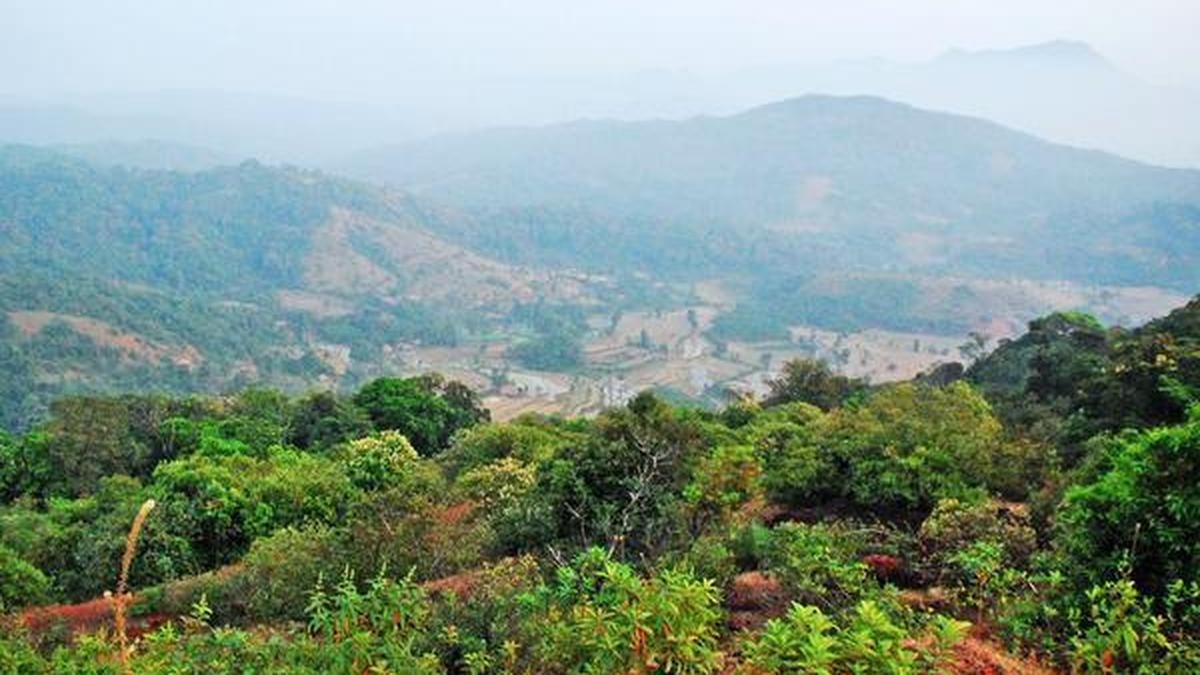
The situation has been worsened by poor rainfall in Kodagu district, which contributes water to the basin. Several springs inside the Brahmagiri Wildlife Sanctuary have dried up, sharply reducing the flow into the Barapole river. The Bavali river, which flows through the Aralam and Kottiyoor Wildlife Sanctuaries, is also witnessing a major decline in water flow.
In addition, the Kakkuva and Cheekani rivers, originating from forest areas, have stopped flowing completely. Many small springs in the hill ranges that feed the Bavali and Barapole rivers have also dried up.
Authorities say a minimum storage level of 18 metres is required for the smooth functioning of pumping stations supplying drinking water. If the water level drops by more than 6 metres, the district could face a serious drinking water shortage.
Nearly two-thirds of Kannur district depend on the Pazhassi project for drinking water. At present, pumping stations still have sufficient water, but officials warn that if the heat and dry conditions continue until the end of April, the drinking water supply could be affected.
More than 50 million litres of water are pumped daily from the reservoir for drinking purposes. The project supplies water to one corporation, seven municipalities and 36 panchayats through six major drinking water schemes, besides around five smaller projects.
Authorities noted that large-scale daily pumping of about 250 million litres, along with reduced inflow, has gradually lowered storage, with only about one-third of the water currently being replenished through natural springs feeding the reservoir.





 English (US) ·