

 3 hours ago
7
3 hours ago
7
ARTICLE AD BOX
Last Updated:April 22, 2026, 19:28 IST
Strict security measures in Islamabad for the US-Iran peace talks have affected the daily life of common citizens already impacted by a struggling economy.


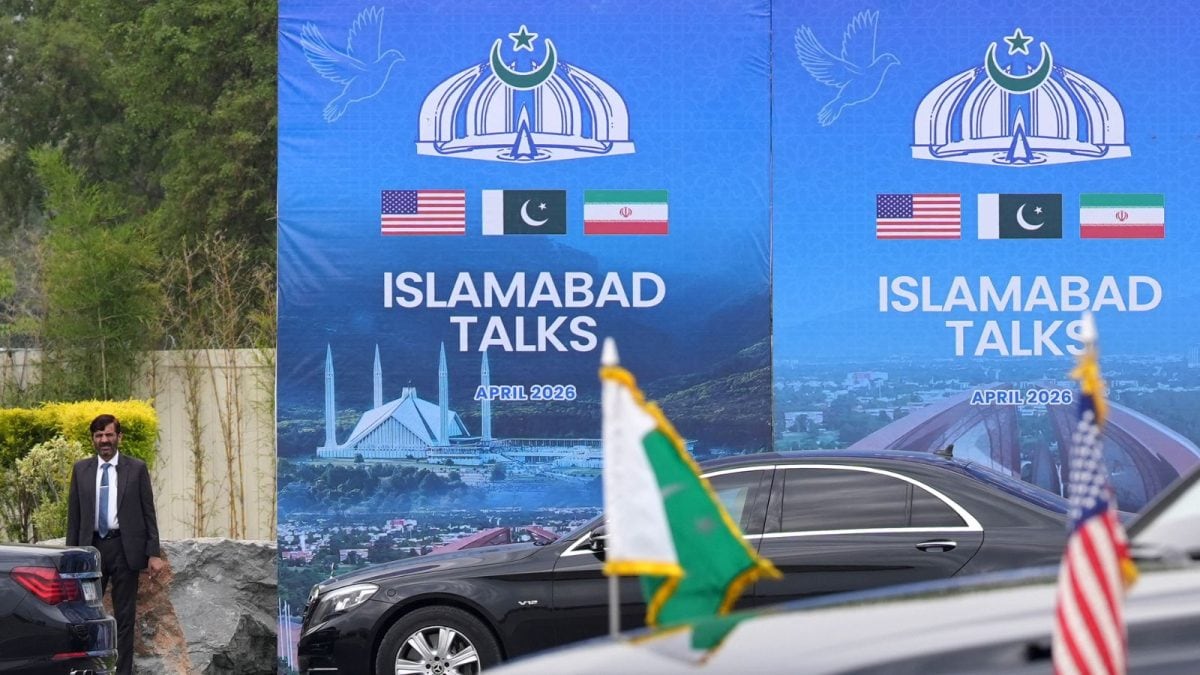
Security measures due to US-Iran talks are still in effect in Islamabad. (AFP)
With peace talks between the US and Iran hanging in the balance, many Pakistanis are becoming frustrated due to the heavy personal and economic restrictions in Islamabad, exacerbating the problems of the common man of the country.
Restrictions prevailed in Islamabad despite the peace talks being postponed after US Vice President JD Vance’s trip to the Pakistani capital was called off due to Iran’s no-show. Pakistan’s security forces had enforced strict restrictions on the “red zone" near the negotiating venue by closing key roads, shutting shops and schools, and ordering government officials to work from home.
Major roads have been closed in recent days to facilitate the arrival of foreign delegations and US cargo planes delivering equipment. Some measures from the first round of US-Iran talks in Islamabad, which ended without an agreement, have never been lifted.
Many residents had hoped that the negotiations would bring an end to the restrictions that have put some areas in Islamabad under a virtual lockdown. With Pakistan’s economy already struggling, the initial euphoria over Pakistan’s global image has started fraying, exposing the growng impatience of the people with the restrictions in Islamabad.
ALSO READ: ‘Pro-US Tilt’: Iran Is Finally Calling Out Pakistan’s ‘Double Game’ | Exclusive
‘We Don’t Find Food’
Common Pakistanis said the stringent restrictions were affecting their daily activities, including school and work. “We have to live here, the Red Zone has been shut down. Children cannot go to school, and shops are closed from time to time," Zainab Ali Uthmankhail told news agency AFP.
“Personally I do find it very annoying. My time is wasted. Transport fares have increased. But I am happy that we are doing something positive," she said.
The regulations have also affected small business owners and daily wage workers whose incomes have already been reduced. Large industries were not immune to the impact, as Pakistan’s Attock Refinery Limited (ARL) was forced to halt operations due to security measures.
“The impact of the lockdown is that we are not seeing any customers here in the market… the government does not know what one day of their lockdown does to our households," said Muhammad Ahsan, 35, the owner of a small jewellery kiosk. “Our stoves do not run, we did not find food."
Peace Talks Uncertain
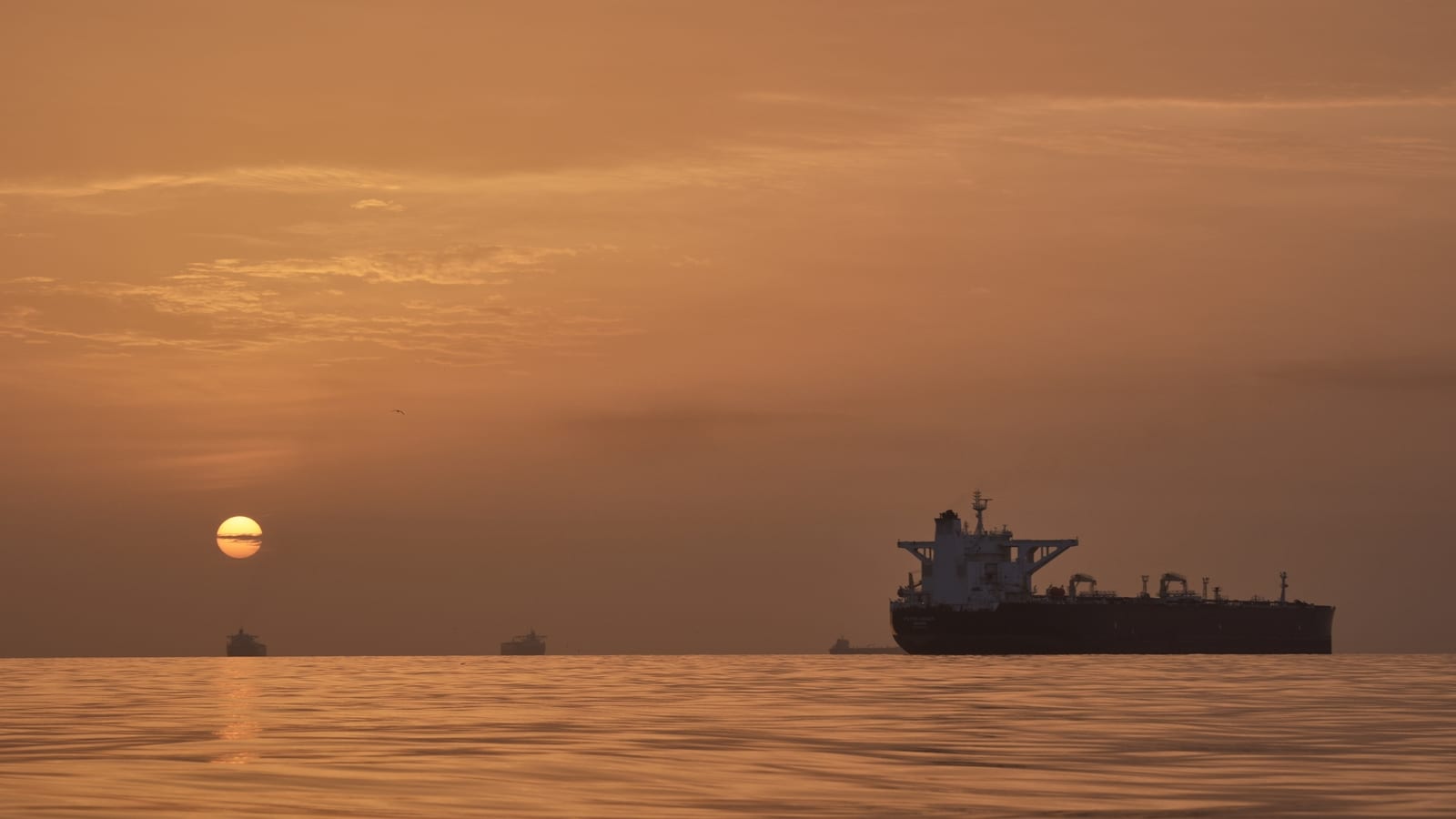
The future of peace talks remained uncertain, even as US President Donald Trump said they could resume by Friday after Iran presented a unified proposal to end the war. The naval blockade around the Strait of Hormuz has impacted trade flows in Iran, emerging as a crucial sticking point in peace talks.
Earlier, Iran refused to negotiate under what it described as the “shadow of threats", with tensions escalating further after the capture of an Iranian vessel, which threatened to derail the ceasefire. Iran also seized two ships in the Strait of Hormuz after US President Donald Trump announced an indefinite extension of the ceasefire.
(with inputs from AFP)
Handpicked stories, in your inbox
A newsletter with the best of our journalism
Location :
Islamabad, Pakistan
First Published:
April 22, 2026, 19:28 IST
News world 'We Don't Find Food': Pakistanis Lose Patience As US-Iran Suspense Widens Economic Woes
Disclaimer: Comments reflect users’ views, not News18’s. Please keep discussions respectful and constructive. Abusive, defamatory, or illegal comments will be removed. News18 may disable any comment at its discretion. By posting, you agree to our Terms of Use and Privacy Policy.
Read More






 English (US) ·