

 4 days ago
10
4 days ago
10
ARTICLE AD BOX
Last Updated:March 30, 2026, 09:28 IST
While urban women prioritise safety, employment, and economic opportunities, rural women continue to support welfare initiatives and remain loyal to the current leadership


For many rural women, welfare schemes provide essential financial security, outweighing other concerns. (News18)
Women account for nearly 49 per cent of West Bengal’s electorate and turned out in higher numbers than men in 2019 in a rare and politically significant trend. Though fresh data showing a dip in registered female voters after the SIR exercise and a declining gender ratio has raised new questions, ground sentiment suggests a more complex shift: while welfare schemes retain appeal, concerns around safety, jobs, and migration are steadily gaining ground.
Welfare schemes introduced by chief minister Mamata Banerjee, such as Lakshmir Bhandar, have ensured that women remain aligned with the Trinamool Congress. However, incidents of violence against women, including cases such as RG Kar and Kasba Law College, have raised serious concerns about their safety.
To understand public sentiment, News18 interacted with women from diverse backgrounds across urban and rural Bengal.
Urban Voices: Security and Employment Take Priority
In Barasat’s saree market, women shoppers expressed clear concerns. Many said safety and employment matter more than welfare schemes.
Reshmi Bag, a woman in her thirties, said: “We should be given our basic rights—jobs, education, and healthcare. I am not interested in Lakshmir Bhandar. We are not secure, and we don’t know whether our vote will change anything."
Tiyasha Roy echoed similar concerns: “There are no good industries here. My husband and brother-in-law work in Bengaluru. Women are raising children alone. The government should create job opportunities."
The overall sentiment in urban markets was that while welfare schemes exist, security and employment remain the bigger issues.
Gen Z Perspective: Jobs Over Freebies
At Swami Vivekananda College in Barrackpore, young women voters also emphasised safety and employment.
Mitu Roy, a final-year journalism student, said: “There is no point in pink booths if women’s safety is not ensured. We are not safe."
First-time voter Rita Chatterjee added: “Lakshmir Bhandar is fine, but jobs are more important. Real empowerment comes from employment."
Gen Z voters appeared willing to accept welfare benefits but clearly prioritised career opportunities.
Homemakers: Mixed Views on Welfare and Employment
In Salt Lake, homemakers showed a more balanced perspective. Chandrani Roy said: “I receive Lakshmir Bhandar, and it helps. If others can benefit, why not us?"
However, Saheli Das raised concerns about migration: “Our children are leaving Bengal for jobs. Will this become a state only for senior citizens?"
Professionals and Entrepreneurs: Demand for Growth and Safety
At Calcutta High Court, women lawyers highlighted safety challenges.
Junior advocate Rai Roy said: “Our work ends late at night, and even cab rides feel unsafe. Bengal doesn’t feel as safe as before."
Senior advocate Anamika Pandey emphasised political representation. “We want more participation of women in politics and better infrastructure."
Women entrepreneurs also stressed the need for systemic support.
Poulami Dutta, an education consultant, said: “We need funding, training, and incubation support to grow."
Swastika, a small business owner, added: “Many women don’t even know how to access loans. The government should address this."
Another voter, Swati Chakraborty, summed up the issue as she said: “Freebies exist because of unemployment. The real solution is to eliminate unemployment."
Across urban professional groups, the message was consistent: opportunities matter more than welfare.
Rural Reality: Welfare Schemes Still Hold Strong Appeal
In contrast, rural women in Begumpur, Hooghly, which is known for its handloom industry, expressed support for government schemes.
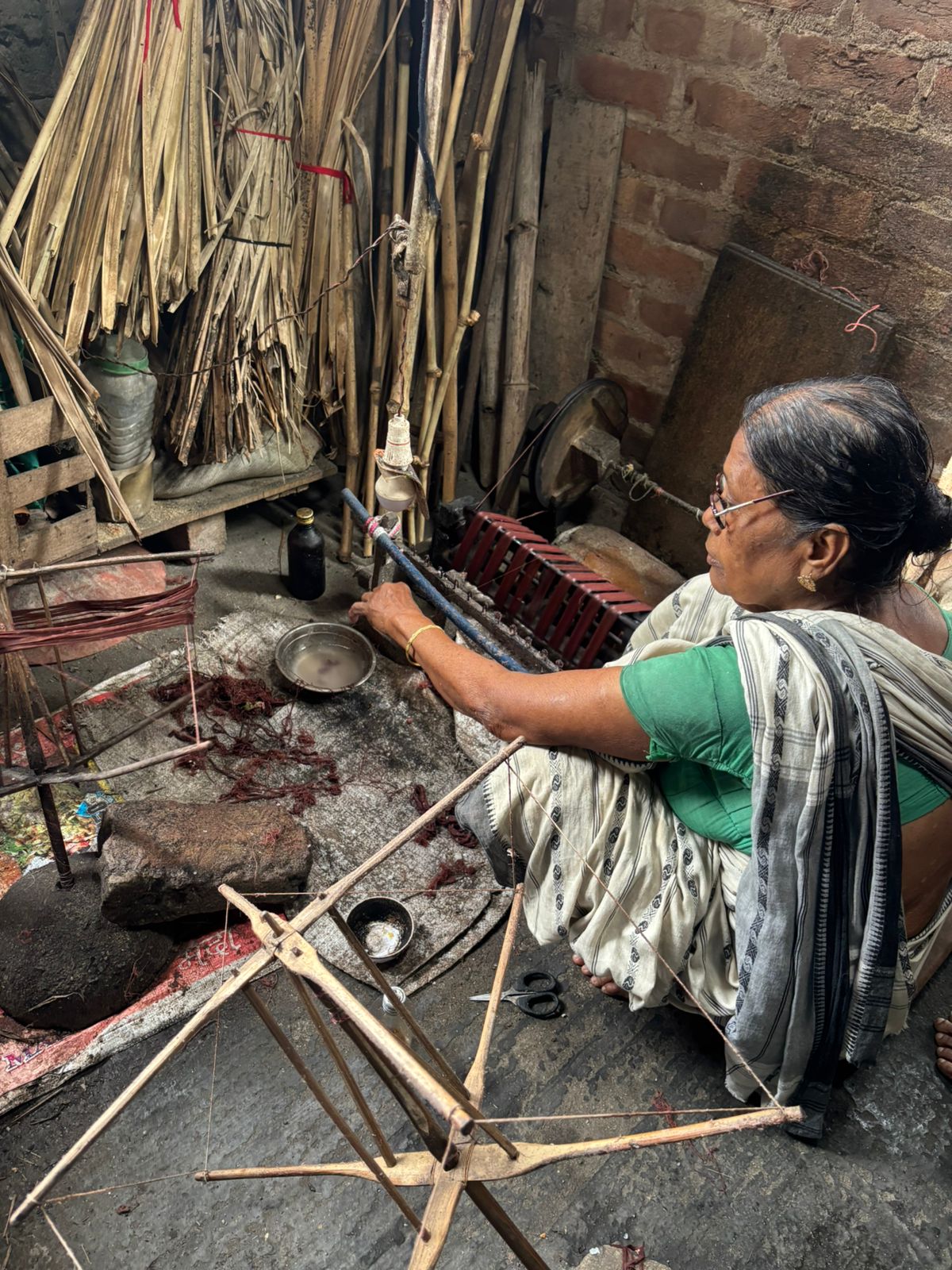
Weavers, who earn as little as Rs 350-Rs 500 per saree after days of labour, rely heavily on financial assistance.
Menoka, a weaver, said: “The money from Lakshmir Bhandar helps us support our children’s education. That is why I support Didi."
Bibha, a 60-year-old worker, added: “I earn very little, but the government support makes me happy. I feel protected." Kamini, another weaver, said: “Schemes like Kanyashree and Rupashree are helpful. We will always support Didi."
For many rural women, welfare schemes provide essential financial security, outweighing other concerns.
A Clear Urban-Rural Divide
The findings reveal a sharp divide in women’s voting preferences. They show that while urban women prioritise safety, employment, and economic opportunities over welfare schemes, rural women, especially from economically weaker sections, continue to support welfare initiatives and remain loyal to the current leadership.
As elections approach, the key question remains: will the demand for jobs and safety outweigh the appeal of welfare schemes, or will continued financial support secure women’s votes for Mamata Banerjee?
First Published:
March 30, 2026, 09:28 IST
News elections Welfare Or Opportunity? In Run-Up To Elections, Bengal's Women Voters Are Rethinking Priorities
Disclaimer: Comments reflect users’ views, not News18’s. Please keep discussions respectful and constructive. Abusive, defamatory, or illegal comments will be removed. News18 may disable any comment at its discretion. By posting, you agree to our Terms of Use and Privacy Policy.
Read More





 English (US) ·