

 46 minutes ago
4
46 minutes ago
4
ARTICLE AD BOX
For decades, Western Australia has relied on one of the world’s largest prescribed burning campaigns to reduce the risk of bushfire, with the authorities intentionally burning around 200,000 hectares of forest every year. The government agencies argue that removing excess vegetation helps prevent larger, more destructive wildfires. Scientists, however, are increasingly questioning whether this long-standing practice comes at a hidden ecological cost. A new review published in the International Journal of Wildland Fire argues that while prescribed burning plays an important role in reducing fire risk, the scale and frequency of current practices might have substantial long-term consequences for biodiversity in one of the world’s most ecologically significant landscapes.
A globally significant ecosystem under pressure
South-western Australia is recognised as one of the world’s biodiversity hotspots as the region contains thousands of unique plant species found nowhere else on the planet, alongside numerous mammals, reptiles, birds, fungi, and invertebrates that depend on long-burnt habitats. According to the researchers, frequent prescribed burning is likely reducing the availability of these mature ecosystems. They noted that while some Australian species benefit from periodic fire, many require decades without any disturbance to develop their complex vegetation structure that is necessary for nesting, feeding and reproduction. Furthermore, researchers argue that repeated burning of large areas at relatively short intervals may simplify habitats and become the cause of declining ecological diversity.
Notably, prescribed burning has long been defended as being a critical bushfire management tool, as studies have revealed that fuel reduction can decrease the size and frequency of uncontrolled wildfires under certain conditions. A 50-year analysis of fire management in south-western Australian forests found that prescribed burning relatively reduced the occurrence and extent of unplanned fires, especially when fuel treatments were carried out within six years before the wildfire seasons. Despite this, the same researchers also acknowledge that fire management should balance wildfire mitigation with biodiversity conservation, rather than focusing solely on reducing the fuel loads.
Congratulations!
You have successfully cast your vote
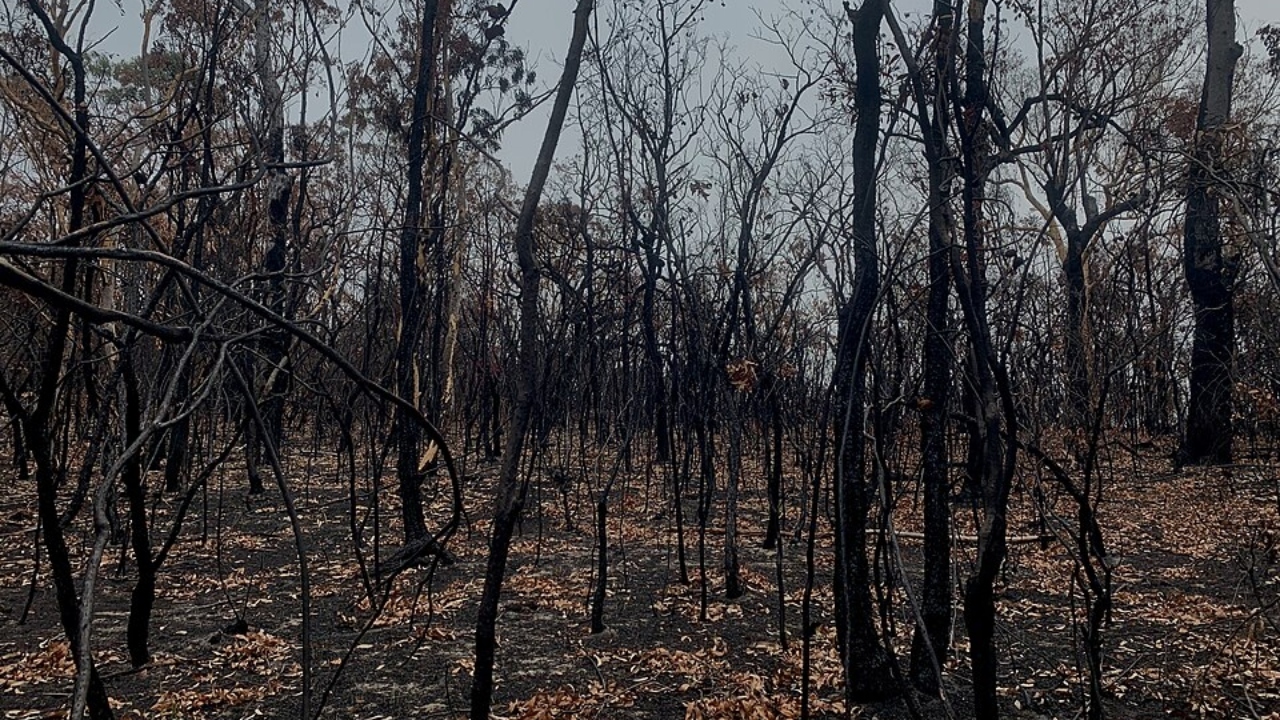
The latest review builds on this point, as they believe that the current prescribed burning targets are largely based on reducing fire risks and not on trying to maintain ecological health. Scientists highlight the growing evidence that repeated burning can alter vegetation composition, reduce populations of fire-sensitive plants, and affect fungi that play an important role in soil ecosystems. Furthermore, species that rely on dense undergrowth or older forests might become vulnerable because planned burns often occur before these habitats have fully recovered from previous fires.
Climate change is making the debate more complex
The discussion comes as climate change increases the frequency of extreme fire weather across Australia. Some scientists even argue that prescribed burning remains an essential safety measure for those communities living near the forest region. On the other hand, other scientists contest that increasingly hot, dry, and windy conditions may reduce the effectiveness of fuel reduction while simultaneously increasing ecological damage if burns become more frequent. A 2022 report published in Scientific Reports found that under extreme fire weather, prescribed burning could become less effective at limiting large bushfires than previously believed.
However, rather than abandoning prescribed burning altogether, many fire ecologists advocate a more flexible approach where they recommend tailoring burns to individual ecosystems instead of applying broad annual targets across landscapes. Additionally, they stress protecting long-unburnt forests, peatlands, and other fire-sensitive habitats while using prescribed burning more selectively where evidence shows it effectively reduces wildfire risks.









 English (US) ·