

 1 hour ago
4
1 hour ago
4
ARTICLE AD BOX
Last Updated:April 13, 2026, 23:36 IST
Long before modern borders existed, the region around the Strait of Hormuz was part of major Persian empires, including the Achaemenid Empire.


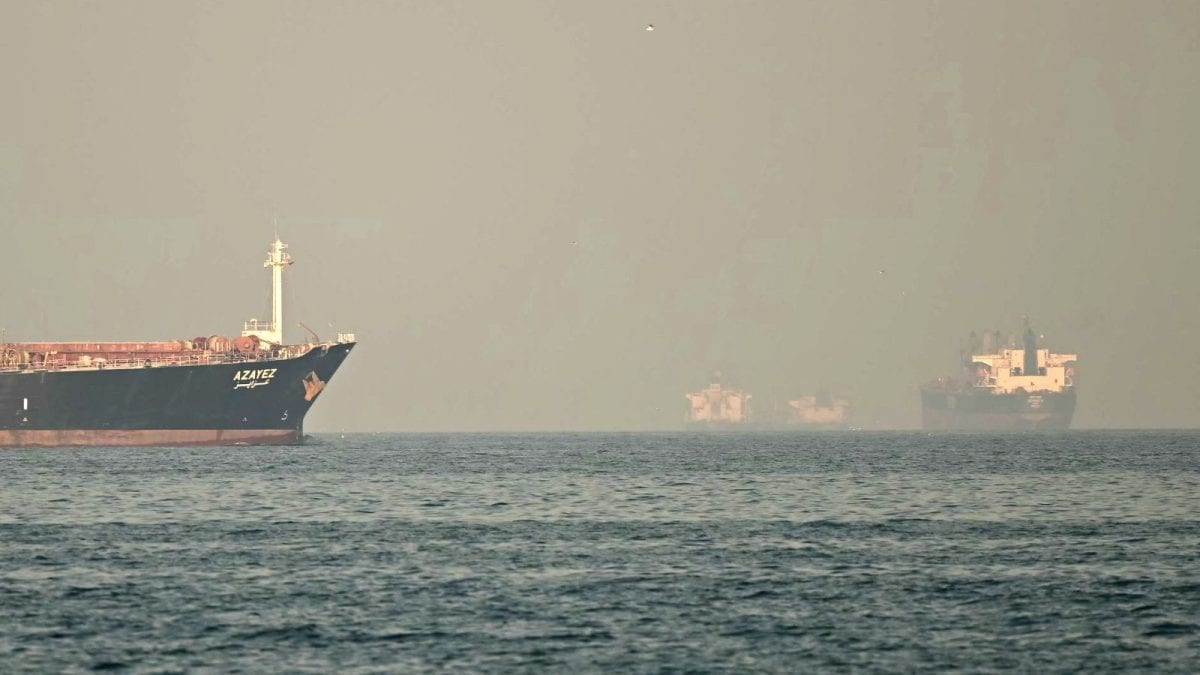
The Strait of Hormuz, a key energy corridor that remains disrupted by the Middle East war. (AFP photo)
The Strait of Hormuz has become one of the world’s most closely watched waterways amid rising tensions in the Middle East.
But beyond its modern strategic importance lies a name with deep historical and cultural roots stretching back thousands of years.
Origin of the name ‘Hormuz’
The name “Hormuz" is believed to come from the ancient Persian word Hormoz or Ormuz, which is linked to Ahura Mazda, the supreme deity in Zoroastrianism, the ancient religion of Persia. Over time, linguistic changes across Persian, Arabic and European usage transformed the name into “Hormuz", as it is known today.
Historians say the strait took its name from the nearby Kingdom of Hormuz, a powerful maritime trading state that once controlled this key passage between the Persian Gulf and the Arabian Sea.
Ancient trade route
Long before modern borders existed, the region around the Strait of Hormuz was part of major Persian empires, including the Achaemenid Empire. It served as a vital maritime link connecting India, Arabia and Persia through trade routes carrying spices, textiles and other goods.
Its geographical position made it a natural gateway between East and West, laying the foundation for its long-standing economic and strategic importance.
ALSO READ: Strait Of Hormuz Open For India, No Toll Levied On Its Tankers: Iran Envoy
Rise of the Kingdom of Hormuz
Between the 11th and 16th centuries, the Kingdom of Hormuz rose as a powerful trading hub. Its capital was later established on Hormuz Island, and it became one of the wealthiest ports of its time.
The kingdom prospered through control of maritime trade routes, collecting taxes on goods such as spices and silk passing between Asia, the Middle East and Europe. European travellers, including Marco Polo, described it as a major centre of global commerce.
Portuguese control and Persian return
In 1507, Portuguese forces under Afonso de Albuquerque captured Hormuz, using it to dominate key sea routes and impose taxes on passing ships. Their control lasted over a century, with forts built to secure their position.
ALSO READ: Trump Says US Navy To Blockade Hormuz, Stop Ships Paying Toll To Iran
In 1622, the Safavid Empire of Persia, with support from local and external allies, expelled the Portuguese and regained control of the region. Since then, influence over the strait has remained closely tied to Persian—and later Iranian—authority.
Modern-day significance
Today, the Strait of Hormuz lies between Iran and Oman and remains one of the most critical shipping lanes in the world. Nearly one-fifth of global oil trade passes through its narrow waters, making it a key “energy chokepoint" for global markets.
The waterway has faced major disruption in recent weeks. In the aftermath of the conflict involving the United States and Israel against Iran, maritime traffic through the strait was severely affected, with tensions spilling into key shipping routes and rattling global energy supplies.
Normally, the strait handles about one-fifth of the world’s crude oil and liquefied natural gas (LNG) shipments. However, crossings have dropped sharply, with only 58 commodity carriers passing through since a US-Iran ceasefire took effect, according to maritime data provider Kpler. Overall traffic remains around 90 per cent below peacetime levels, with no significant recovery seen so far.
(With inputs from agencies)
Handpicked stories, in your inbox
A newsletter with the best of our journalism
First Published:
April 13, 2026, 23:34 IST
News world What Does ‘Hormuz’ Mean? History Behind The Name Of Strait Near Iran
Disclaimer: Comments reflect users’ views, not News18’s. Please keep discussions respectful and constructive. Abusive, defamatory, or illegal comments will be removed. News18 may disable any comment at its discretion. By posting, you agree to our Terms of Use and Privacy Policy.
Read More








 English (US) ·