

 1 hour ago
6
1 hour ago
6
ARTICLE AD BOX

For architect Reena Sharma who wanted to invest in her retirement home, the property she intended to purchase was not so much about luxury anymore. Though she had no budget constraints, Reena was still looking for a home that would not be so much about luxury as usefulness.
"With age and experience my preferences have changed," says Reema. "Earlier for me, my home was a status symbol, a place I would proudly show off to my guests at home parties, but now it only means a comfort zone and a place that serves my purpose." Like Reena, many homebuyers today are gravitating from opulent luxury to strict utility when it comes to home buying. There has been a substantial change in the metrics that the Indian luxury homebuyers deploy to assess luxury.
It has now evolved beyond just exclusivity and status to incline more towards functional utility. The pandemic may have expedited this transition, but the momentum now appears to be self-sustaining and in positive equilibrium.
Luxury buyers of today hinge their buying preferences on ease of living and everyday comfort. Factors such as exclusivity and status are no longer the appealing factors that can dramatically influence the buying decisions.
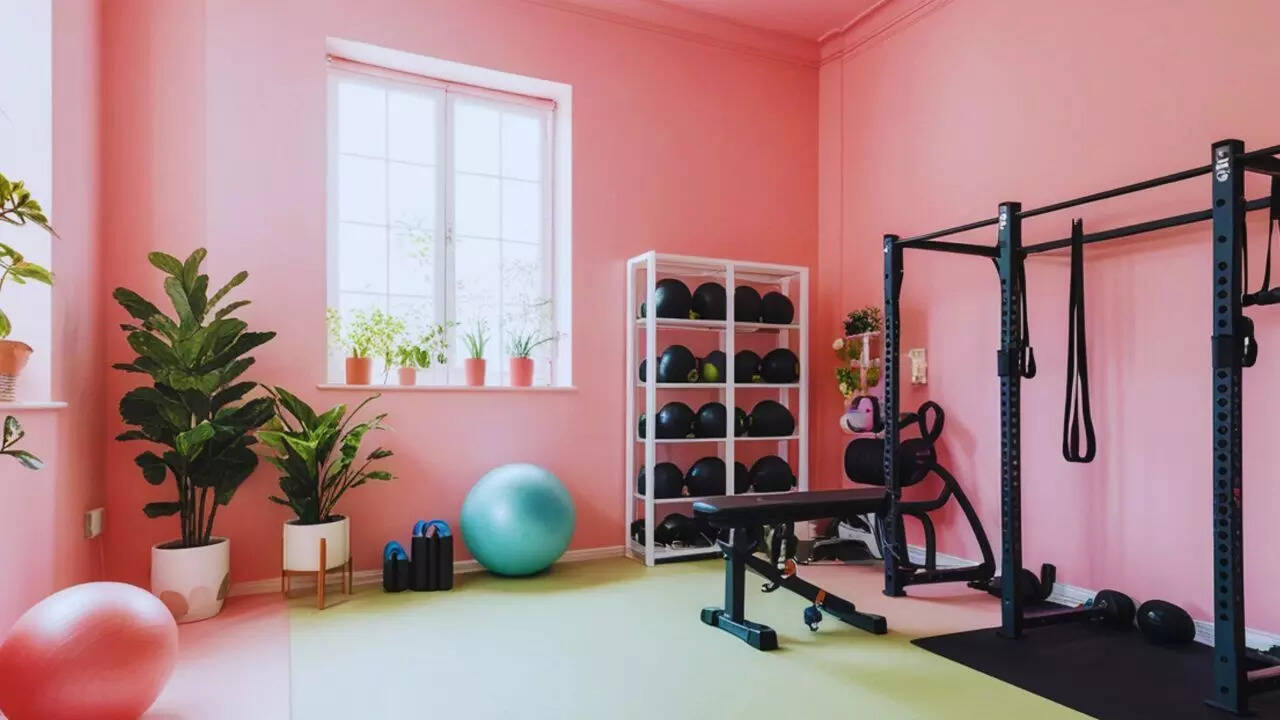
What is a functional utility home?In real estate, functional utility in the context of houses and apartments can be defined on the basis of how well a property serves its intended purposes, such as living, working, or recreation. Homes with strong utility adapt easily—think extra rooms for home offices, gyms, or storage—boosting appeal and value during appraisals. These are versatile spaces which have layouts that are planned in such a manner that the design has space for multi-use rooms, like a bedroom doubling as an office or a backyard for play and gardening.
What distinguishes them from luxury homes is that these spaces have specific areas. For example these homes have spaces for laundry, appliances, and gadgets. They are designed to minimize waste, with good ventilation, drainage, and durable setups that align with current standards.
A market at an inflection pointThe demand for high-value housing remains strong. Recent market reports reinforce this shift. According to a report by CBRE & Assocham, luxury housing sales recorded 85% year-on-year growth in the first half of 2025, touching approximately 7,000 units across the top seven Indian cities.
Delhi-NCR contributed the highest share of 57 percent to this demand with 4,000 units. In contrast to this, luxury properties in the price range of ₹2 to 5 crores have emerged as the ‘sweet spots’ within India’s housing market.
Individuals are upsizing from affordable housing, and developers are shifting towards premium developments. Within this range, properties valued between ₹3 and 5 crores continue witnessing growing interest.These numbers act as the testament to the continued momentum in the premium and luxury categories.Functionality and utility have become the core tenets of the evolved buyer preferences.Designing for fluid livesSantosh Agarwal, CFO & Executive Director, Alpha Corp Development Limited says, "A major factor that has induced a change in how the homes are designed has been the rise of Hybrid work. Homes today must accommodate shifting buyer roles (professional, personal, and recreational) within the same footprint.
Versatile layouts, acoustic privacy, extended balconies, and zones for wellness are emerging as key differentiators.
Intuitive living spaces and design which is anchored in utility have emerged as core tenets of premium housing."Sustainability as value, not virtueEconomic and Environmental sustainability have also emerged as business imperative. Buyers are now well informed of lifestyle costs and environmental impact and anchor their buying preferences in optimising these costs.
Features, such as solar-ready rooftops, low-emission materials, and energy-efficient systems, are viewed as long-term value creators rather than indulgent add-ons.Wellness and connectivity: The new urban luxury"The pandemic also induced a major change in how the regular comfort is assessed by the buyers. Natural light, air quality, green spaces, and community interaction have become central to how people perceive premium living. Connectivity to workplaces, healthcare, education, and recreation is no longer a convenience; it is a non-negotiable aspect of liveability.
As Indian cities expand and evolve, people are increasingly attaching value to neighbourhoods that offer convenience, connectivity and balance.Locations which alleviate the pressures of commuting, have robust social and lifestyle infrastructure, and cater to overall well-being, are becoming an indispensable preference among the urban homebuyers.
", adds Santosh Agarwal.For developers, this shifting trend represents an opportunity to calibrate the design intent.
The value offering of the real estate sector should not just be limited to merely construction but creating enduring living frameworks that meaningfully sustain quality of life. Each development has to be a contribution in the way of lifting the quality of life anchored in sustainability and community building to last generations. The need exists for design intelligence, sustainable innovation, and empathy in planning.
Everything from spatial design to material choice needs to be guided by a long-term vision; one that balances sophistication, efficiency, and responsibility. What we build today should stand as both an economic asset and a social commitment.Luxury is being reimagined in 2026. The new premium home is not one that is anchored in mere luxury or exclusivity, but one that provides comfort, adaptability, efficiency, well-being, and coherence. The developers who adapt well to the change will enjoy the benefits of continuous demand and gain trust from long-term value creation.









 English (US) ·