

 1 hour ago
5
1 hour ago
5
ARTICLE AD BOX
Last Updated:April 28, 2026, 19:10 IST
What is OPEC and OPEC+? Why did UAE leave OPEC? The recent exits, News18 explains in FAQs


An installation depicting barrel of oil with the logo of Organization of the Petroleum Exporting Countries (OPEC) at COP29 United Nations climate change conference in Baku. (Reuters File)
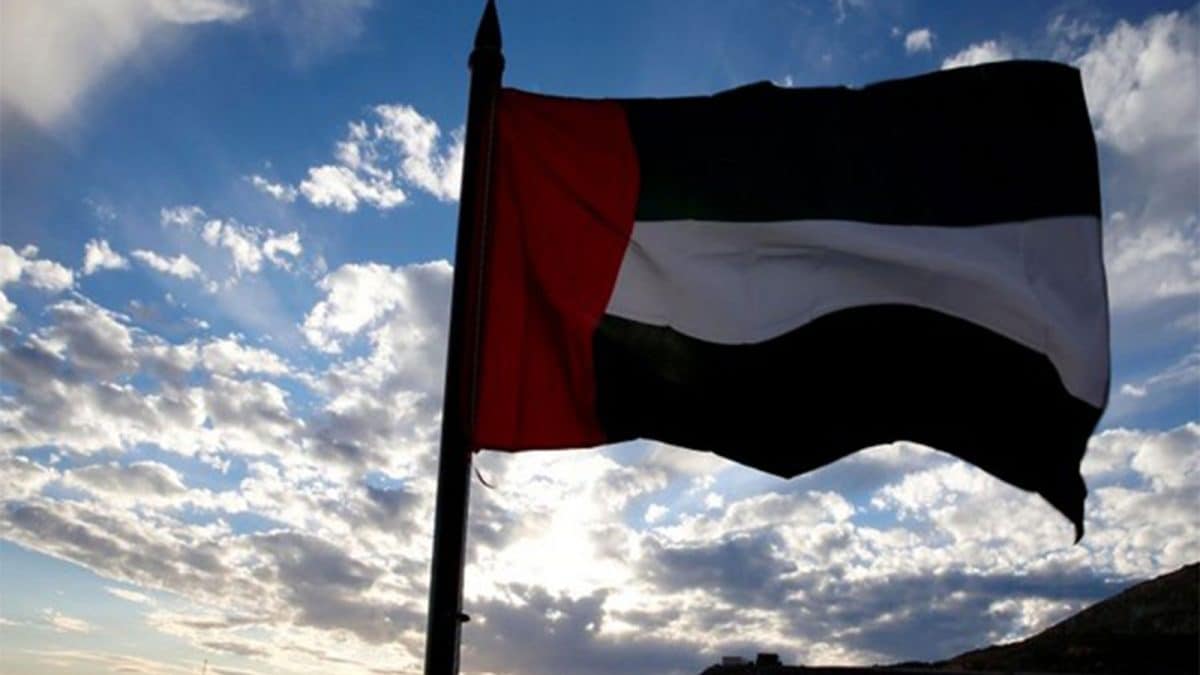
The United Arab Emirates (UAE) on Tuesday announced its intention to leave OPEC and OPEC+ effective May 1, 2026, citing long-standing disagreements over production quotas.
What is OPEC? How does it control oil prices? News18 explains all you need to know.
WHAT IS OPEC?
The Organization of the Petroleum Exporting Countries (OPEC) is an intergovernmental organization that coordinates the oil production of its member nations to manage global oil prices and market stability.
Its goal
OPEC’s primary goal is to ensure the stabilization of oil markets to secure a steady income for producers and a regular supply for consumers.
WHAT IS OPEC+ ALLIANCE?
Since 2016, OPEC has partnered with 10 non-OPEC oil-producing nations—most notably Russia—to form a broader group known as OPEC+. This alliance controls roughly 40–45% of global oil production, giving it even greater leverage over international energy prices.
The composition
Membership is currently in a state of transition. While the group historically had 13 or more members, recent developments have changed its composition:
Active Members (12): Algeria, Congo, Equatorial Guinea, Gabon, Iran, Iraq, Kuwait, Libya, Nigeria, Saudi Arabia (de facto leader), United Arab Emirates (UAE), and Venezuela.
Recent Withdrawals: Angola left effective January 1, 2024.
HOW DOES OPEC CONTROL GLOBAL OIL PRICES?
OPEC primarily controls oil prices by managing the global supply of crude oil through a system of production quotas. When the organisation wants to raise or stabilise prices, it agrees to cut production; when it wants to lower them, it increases production.
OPEC functions as a cartel, using its dominant market share (controlling about 80% of proven reserves) to influence the “balance" of the market.
Production Quotas: Members meet regularly (at least twice a year) to set a collective “output target." Each country is assigned a specific limit on how much oil it can produce.
Supply & Demand Mechanics: If global demand is low (as it was during the 2020 pandemic), OPEC cuts supply to prevent a price crash. If demand is high and prices are spiking, they may release more oil to prevent a global economic slowdown.
Market Signalling: Even the announcement of a meeting or a rumored production cut can cause traders to buy or sell oil futures, moving the price before a single barrel is even held back.
Spare Capacity: Saudi Arabia, the de facto leader, often keeps “spare capacity"—the ability to quickly ramp production up or down—to act as a buffer against sudden market shocks.
Policy Coordination: Unifying petroleum policies among members to protect their economic interests.
Market Research: Publishing data and reports, such as the World Oil Outlook, to provide industry transparency.
WHY DOES A COUNTRY LEAVE OPEC?
Leaving OPEC is usually a strategic “business decision" where a country’s national interests no longer align with the group’s collective restrictions.
WHAT ARE OPEC’S LIMITATIONS?
Despite controlling nearly 80% of the world’s proven oil reserves, OPEC’s influence is frequently challenged:
The rise of U.S. shale fracking has introduced a massive supply of oil that OPEC does not control.
Internal cheating on production quotas often weakens the group’s ability to maintain high prices.
Global shifts toward renewable energy and electric vehicles are gradually reducing long-term demand for petroleum.
WHY DID UAE LEAVE OPEC?
The UAE has invested billions to expand its production capacity but has long complained that OPEC’s restrictive quotas unfairly capped its exports. The move followed sharp criticism of fellow Arab states for failing to provide military and political support during recent Iranian attacks. Officials stated the exit aligns with a “long-term strategic and economic vision" to gain flexibility in responding to market dynamics, according to Al Jazeera.
OPEC EXITS BEFORE UAE
Angola (January 2024): Angola ended its 16-year membership following a bitter dispute over output targets. OPEC leadership demanded a production cut for 2024 that Angola claimed would damage its ability to attract vital investment into its aging oil fields. The Angolan oil minister stated the country “gains nothing" by remaining, as its contributions and ideas were being ignored by the larger members.
Ecuador (January 2020): Ecuador has left and rejoined multiple times, but its 2020 exit was purely fiscal. Facing a massive national budget deficit, the government decided to leave so it could pump more oil and generate immediate cash revenue without being restricted by OPEC’s “discipline."
Qatar (January 2019): Qatar’s departure was one of the most high-profile “Qexits" in the group’s history. Qatar is the world’s leading exporter of Liquefied Natural Gas (LNG), which is not regulated by OPEC. It decided to focus its resources on gas rather than being a “small player" in oil. While denied officially, the move was widely seen as a response to the 2017 political and economic boycott led by OPEC’s de facto leader, Saudi Arabia.
Indonesia (November 2016): Indonesia has a unique history with OPEC, having suspended its membership twice. Indonesia began consuming more oil than it produced. High oil prices—OPEC’s primary goal—actually hurt Indonesia’s economy, making membership counterproductive.
With agency inputs
Handpicked stories, in your inbox
A newsletter with the best of our journalism
First Published:
April 28, 2026, 19:09 IST
News explainers What Is OPEC & How Does It Control Oil Prices? Why Did UAE Leave? Has Any Other Country Left In Past?
Disclaimer: Comments reflect users’ views, not News18’s. Please keep discussions respectful and constructive. Abusive, defamatory, or illegal comments will be removed. News18 may disable any comment at its discretion. By posting, you agree to our Terms of Use and Privacy Policy.
Read More






 English (US) ·