

 1 day ago
6
1 day ago
6
ARTICLE AD BOX
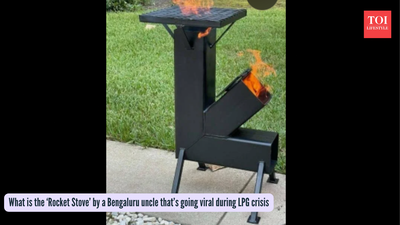
Amidst an LPG supply crisis, a Bengaluru man's fuel-saving rocket stove, initially designed for rural homes, is gaining traction. Developed by former ONGC engineer Ashok Urs, the compact stove efficiently burns biomass with minimal smoke, offering a potential solution for restaurants facing fuel shortages.
Recently, an LPG supply crisis has hit homes even in India amid the US–Iran war, with crucial passages like the Strait of Hormuz choked by the conflict. And when everyday essentials like cooking gas vanish from shelves, innovation often comes from unexpected corners. In Bengaluru, amid restaurant shutdowns and frantic calls for alternatives, a man's backyard project has suddenly become the talk of the town. It's a reminder that solutions don't always need fancy labs or big budgets; sometimes, they're born from practical minds tackling real pains like smoky kitchens and scarce fuel.One such story is about a Bengaluru man whose Rocket Stove has become a viral sensation online.
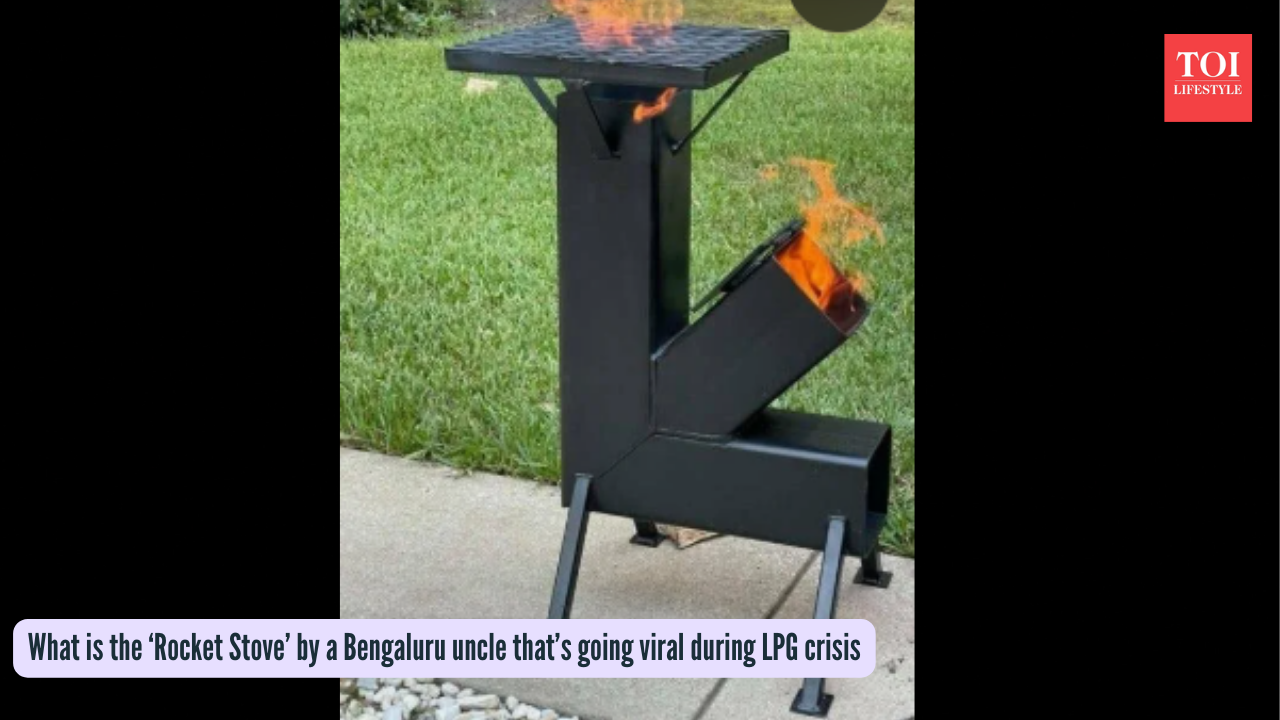
Represesntative Imagd (Photo: Amazon)
What is the viral ‘fuel-saving rocket stove’
Bengaluru's 65-year-old Ashok Urs, a former Oil and Natural Gas Corporation (ONGC) engineer, is fielding calls from hoteliers desperate for his fuel-saving "rocket stove" amid the commercial LPG shortage hitting restaurants hard.Developed six years ago for rural Karnataka homes dependent on firewood, the compact design is now eyed as a crisis workaround. Urs has demoed it at Indian Institute of Science (IISc) open days, pricing each unit at around ₹3,000.
Rocket stove designed for rural areas
Urs targeted areas where wood is scarce or chopped unsustainably, aiming to cut biomass use and smoke. "In many rural areas, people still cook on open fires that consume large amounts of wood and produce a lot of smoke. I wanted to show that the same work can be done with far less fuel," he told The Hindu. Traditional fires fill homes with irritants, harming eyes and lungs; his stove burns hotter and cleaner, easing those.
How the Rocket Stove works
This L-shaped, insulated combustion chamber enhances airflow for a fierce draft, letting twigs, coconut shells, dry leaves, or farm waste ignite fully at high temperatures. It slashes firewood needs versus open fires or basic chulhas, maximising heat from tiny fuel bits. Cleaner burns mean less smoke, making it healthier for daily cooking.
From villages to city kitchens
Originally intended for household awareness on sustainable biomass, the LPG mess caused by West Asia tensions now has small eateries asking if it fits commercial use.Urs notes its efficiency could tide over shortages, though scaling for hotels needs testing. As Bengaluru's food scene reels, this low-tech gem offers a breather, blending eco-smarts with urgency.







 English (US) ·