

 6 days ago
10
6 days ago
10
ARTICLE AD BOX
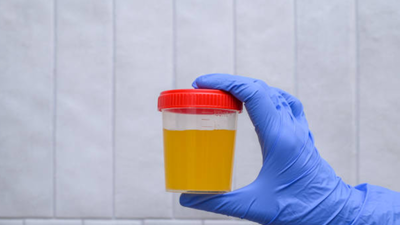
Warning: Urine can't catch silent kidney disease
The National Kidney Foundation and health experts states that kidney disease typically doesn't show any visible symptoms, and the only real way to know if you have it is to get tested.
That single line undercuts a huge chunk of the urine-color content flooding social media right now, the stuff promising you can eyeball your pee and know your kidneys are fine.And that matters because kidney damage can be actively happening while your urine looks completely normal. The Foundation notes that even when urine looks okay, damage may already be hiding that you can't see without a lab test. So the viral color charts aren't wrong, exactly.
They're just incomplete, and doctors are worried people are treating them as a substitute for actual screening.Dr. Aleksandar Bajic, a urologist quoted by Cleveland Clinic, put it simply when discussing normal variation. He said it's completely normal for urine color to shift a little day to day, but it should stay within a certain range of yellow. That range, pale straw to honey-colored, is the baseline doctors want people anchored to.
Step outside it consistently, and it's worth a conversation. But staying inside it isn't a clean bill of health either.
What urine color actually can tell you
Dark amber or brown urine really can signal the kidneys are struggling to filter blood properly. But that same darker urine is just as often plain dehydration, nothing more dramatic than not drinking enough water that day.Foamy urine gets singled out constantly, and for good reason. Persistent foam, the kind that looks like beaten egg whites and doesn't disappear after a flush, can point to protein leaking into urine, a condition called proteinuria that's considered an early warning sign of kidney trouble.
The National Kidney Foundation specifically calls out foamy urine requiring multiple flushes as worth mentioning to a doctor.Blood is the other big one. Pink or red urine sometimes just means someone ate beets or foods with red dye the night before, nothing to worry about. But it can also mean actual blood in the urine, called hematuria, which needs medical follow-up regardless of how confident someone feels it's just last night's dinner.
Cleveland Clinic's guidance is direct on this point, advising people not to assume red or pink urine is food-related unless they're genuinely certain.Cloudy urine tends to mean something different entirely, usually pointing toward a urinary tract infection rather than kidney disease specifically, caused by bacteria, white blood cells, or mucus rather than kidney filtration problems.
Where the confusion comes from
Health content about urine has exploded across wellness spaces, TikTok included, often stripped of the fact.
A lot of it treats urine color as a full health readout, when in reality it's one small piece of a much bigger picture that includes blood pressure, blood sugar, and actual lab work.Vitamins muddy things further. B vitamins, especially B2, are well known for turning urine a bright, almost neon yellow, and that's completely harmless, just the body flushing out what it didn't absorb. Certain medications cause color shifts too.
An older stomach acid reducer can turn urine blue, and some chemotherapy drugs push it toward orange. Mayo Clinic sums up the tension well, noting that foods and medicines commonly change urine color, but a color change can also be a sign of disease, and there's often no way to tell which one you're looking at just by staring into the bowl.
The bigger picture
This all circles back to why nephrologists keep pushing routine testing over self-diagnosis.
A basic urinalysis catches things the naked eye simply can't, like microscopic blood invisible without a microscope, or small amounts of protein that haven't yet turned urine visibly foamy. Blood pressure and blood sugar checks matter just as much, since conditions like diabetes and hypertension are leading causes of kidney damage long before any urine symptom shows up.The honest takeaway experts want people to walk away with is that urine color is a decent early alarm bell, worth paying attention to when something looks persistently off. But it's not a diagnosis. The only way to actually know what's happening inside the kidneys is still the answer nobody wants: get tested.









 English (US) ·