

 2 days ago
6
2 days ago
6
ARTICLE AD BOX
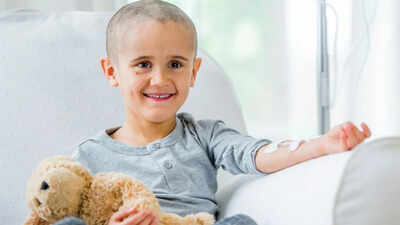
A rare childhood blood cancer case highlights a shift towards personalized medicine. Instead of harsh chemotherapy, a young patient thrived on a targeted oral treatment, living a normal life years later. This innovative approach, though not universally accessible, offers hope for difficult childhood cancers, emphasizing early detection and equitable access to advanced therapies.
We are often confronted with cases that challenge conventional treatment pathways and compel us to rethink established protocols.One such case; was of a little kid, barely two years old, got diagnosed with a really rare and fast-moving blood cancer.
When the child arrived, the disease had already spread quite a bit, affecting many different parts of the body.
On top of that, the child also had another infection, so giving them strong chemo was pretty risky.For many years, chemotherapy was about the way we treated most blood cancers in kids. But that really depends on whether the patient can handle the treatment. So, this situation really called for a more careful and detailed way of handling things.
We looked at everything and decided to go with a specific kind of oral treatment. It's quite new in cancer care for kids, even though it's been used more and more lately for adult cancers, like skin and lung cancer.
The goal was to hit just the cancer cells and not hurt the rest of the body. The treatment results were truly good, and they really made a big difference. After a while, the illness got better without those really bad side effects that usually come with strong chemo.
Now, years later, that same child is still on this treatment and really just lives like any other kid. He goes to school, does normal chores every day, and hits all the usual growth stages. This case really shows us something important happening in children's cancer treatment: we're focusing more on personalized medicine. New approaches to treating difficult childhood malignancies are gradually changing things, particularly with targeted medications, immunological treatments, and tablets.
Although these therapies aren't currently effective for everyone, they are a crucial choice in situations where standard medications or therapies aren't safe or simply won't work. It seems like more people are becoming aware of the rise in children cancers these days.
Even though the number of cases seems to be slowly going up all over the world, we need to look at this very carefully. We're finding things earlier now, thanks to better ways of diagnosing, easier access to doctors, and parents and primary care folks being more aware.
Things that might not have been noticed before are now being looked into right away, so we can do something about them quickly. Finding problems early really helps things turn out better. With childhood cancers, things can get bad very quickly. Even a small delay can change how well a child might recover.
Parents are now more likely to get their kids to the doctor faster. This could be because they've seen more public health messages or because they can easily find health information online.
This is a good thing in a lot of ways. But troubles are still there. Getting cutting-edge treatments to everyone, especially in places that don't have a lot of resources, is still a big challenge. Targeted treatments can be expensive, and we're still collecting information on how they work for kids over a longer duration. As doctors, we need to find a good middle ground between new ways of doing things and making sure everyone can actually get that care. We don't want new medical progress to just make things harder for some people to access them. What keeps us hopeful is how strong our young patients are and how fast cancer research is moving forward. The scenario we just discussed, which was once uncommon, is now beginning to resemble a typical occurrence that illustrates what can occur. Ongoing investments in research, early identification, and equitable access to care have improved the prognosis for children with cancer. Every small development in paediatric oncology is crucial. Even a small encounter can occasionally teach you something new.(Dr Juhi Shah, Consultant - Pediatric Haematology Oncology & BMT, Fortis Hospital Mulund, Mumbai)


 English (US) ·