

 10 hours ago
4
10 hours ago
4
ARTICLE AD BOX
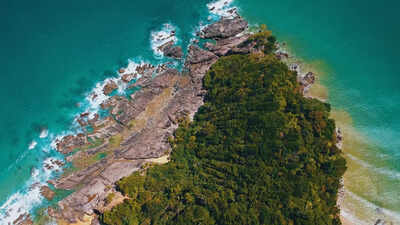
Representative image: Snake Island
The phrase “Land of Snakes” often sparks curiosity. It sounds dramatic, almost mythical, and naturally raises the question—which country actually holds this title? The answer, however, is not as straightforward as many might expect.
From a factual standpoint, no country in the world is officially called the “Land of Snakes.” It is not a recognised geographical title or a formal nickname assigned by any global authority.Of course, it must be noted that in terms of popular culture and especially when referring to wildlife and such, Brazil is loosely linked to this term. The reason for this is the sheer biodiversity and the sheer number of different species of snakes that can be found within its borders.One place that can justify this title is Ilha da Queimada Grande, which is a small island that is found off the coast of Brazil. Better known as Snake Island, this island is considered to be the most snake-dense place on the entire planet. While no other place is as representative of the term "Land of Snakes" as the country of Brazil itself is, this island is the place that is most representative of this term.
A remote island with a fearsome reputation
Situated around 35 kilometres away from the coast of São Paulo, Ilha da Queimada Grande seems harmless at first glance.
Covered in thick vegetation and surrounded by the Atlantic Ocean, this island seems to be just another tropical island. However, beneath this harmless façade lies probably the most treacherous ecosystem in the world.The island’s reputation around the world was established because of its exceptionally high population density of snakes. Over time, this island has become the subject of many documentaries and studies, and it is seen as a place where humans are unable to survive.
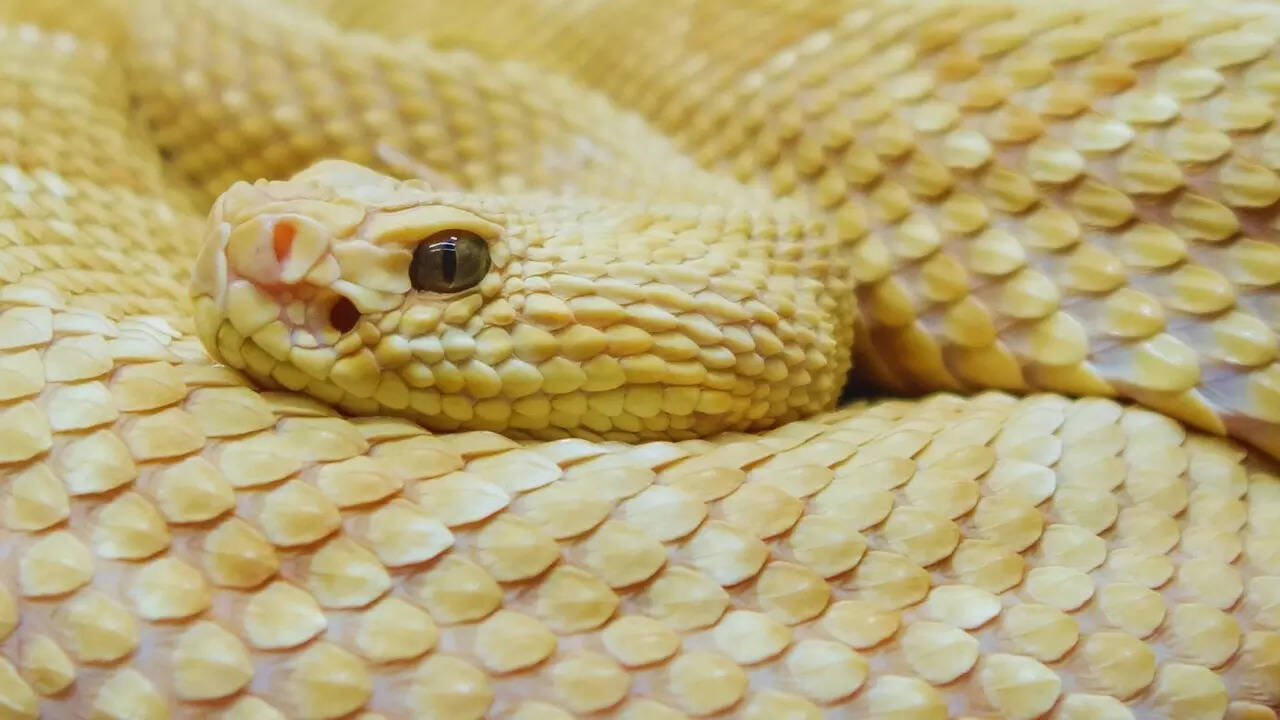
Golden Lancehead
Why Snake Island has so many snakes
The sheer number of snakes on the island has nothing to do with coincidence; it has everything to do with geography and evolution working together.Thousands of years ago, the rising levels of the sea separated the island from the mainland of Brazil. This separated the snakes from other predators, as well as other competitors. The migratory birds became the main source of food. In order to survive, the snakes had to adapt quickly.The adaptation of the snakes has resulted in extremely potent venom, which can paralyze the birds almost on the spot. The adaptation of the snakes has everything to do with survival, as failing to eat meant starving.
The Golden Lancehead: The island’s deadliest inhabitant
Snake Island is the only place in the world where the golden lancehead viper is found in its natural habitat. The viper is not only rare but also extremely venomous.Its venom is far more potent than that of its mainland relatives.
The venom is meant to act quickly on its main source of food. While human interactions with the viper are extremely rare because of limited access to the island, the viper has played a large part in the island’s reputation.
How dangerous is Snake Island really?
Snake Island is surrounded by many myths and legends. The truth is as surprising as the myths.It is true that there are areas where the density of snakes is extremely high. The much-quoted figure of “a snake per square metre” may very well be untrue.
The danger lies in the fact that many of the snakes found on the island have venom.Because of this danger, the Brazilian government has put many restrictions on those who want to visit. Only authorised personnel and the navy are allowed to visit the island.
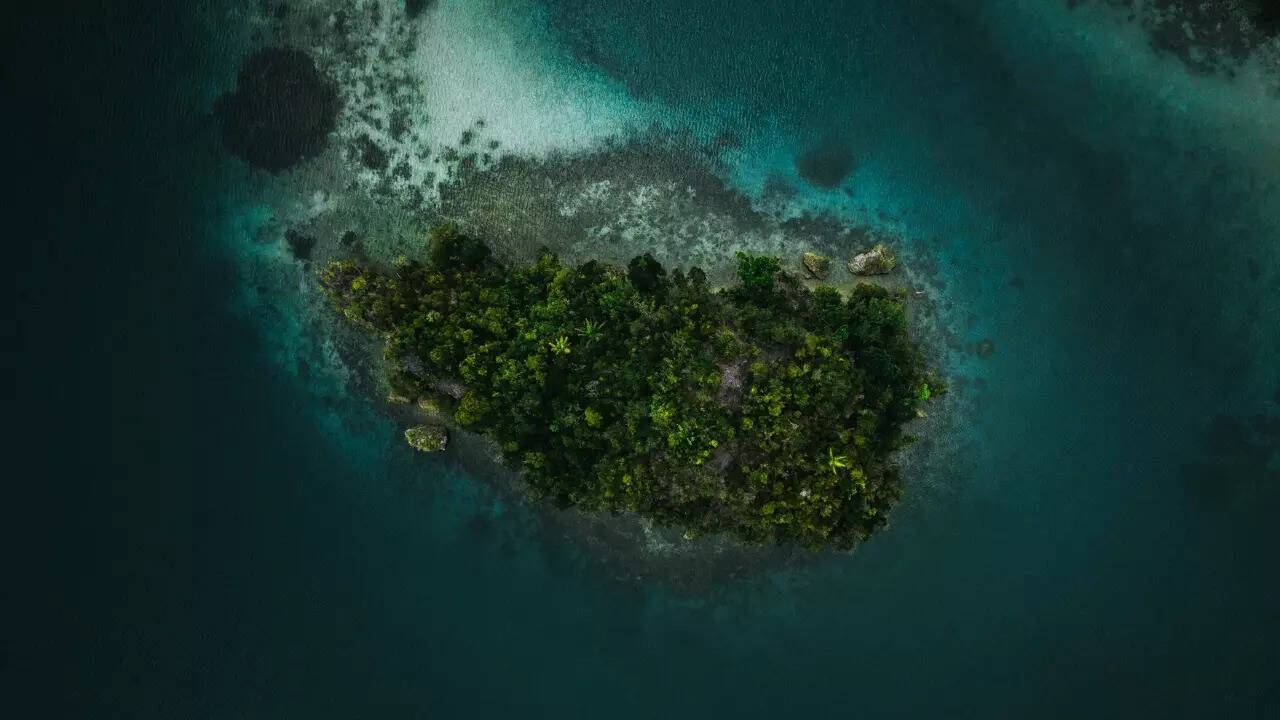
Representative image: Ilha da Queimada Grande
More than just a dangerous place
Snake Island is not just a dangerous place; it is also an important place. Even though it is dangerous, it is important to know that it is not just dangerous because of its name.
The island is important because it shows how evolution can occur. The island shows how evolution can occur dramatically. The island is also important because it shows how important the balance of nature is. A slight geographical shift can cause great changes in nature.Moreover, the conservation of the golden lancehead is important. The island is the only place where this type of viper is found. Therefore, it is important to conserve the island.Does this make Brazil the “Land of Snakes”? Is there any country that is officially called the “Land of Snakes”? The answer is no. However, what makes Brazil different is that it is not the diversity that makes it different; it is the island of Ilha da Queimada Grande.









 English (US) ·