

 1 hour ago
3
1 hour ago
3
ARTICLE AD BOX
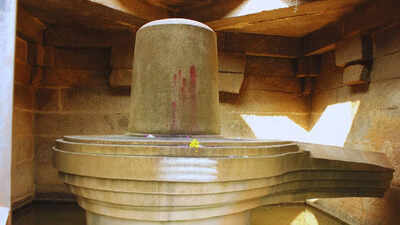
In the surreal, boulder-strewn landscape of Hampi, a UNESCO World Heritage Site in Karnataka, stands a towering symbol of devotion that continues to awe visitors centuries after it was carved.
We are talking about the famous and most unique–Badavilinga Temple, home to Hampi’s largest monolithic granite Shivalinga. The height of the Shivalinga is astonishing, reaching 3 meters high. What makes this particular religious monument stand out is not really its height, but the mysterious element of water. The linga is always moist, always submerged in water, and never dries up.Located close to another equally gigantic Lakshmi Narasimha statue, the Badavilinga is housed in a small chamber carved out of stones.
While simple in appearance, it has a powerful impact, as it is a quiet, sacred, serene spot with stones, water, and light coming together in an impactful way.
Monument made out of a single block of granite
Interestingly enough, the Badavilinga is carved out of a single huge block of granite, presenting us with another "monolith wonder" of Vijayanagara art and architecture. The Badavilinga is 3 metres high and is the largest of all the lingas; indeed, it is one of the most evocative of Shiva symbols in South India.
The name “Badavilinga” also evokes a touching story of its own. The term is a combination of two words: Badva, meaning poor, and Linga, referring to Lord Shiva. The linga was supposedly commissioned by a poor peasant woman living near the famous Virupaksha Temple in Hampi.Despite her poverty, it is believed that she must have commissioned the construction of this magnificent symbol of Shiva out of her sheer devotion to the god.
One sees the irony and beauty in the fact that whereas Badavi may have been associated with poverty in name, her lingam monument was one of the largest and most majestic in size.Now, coming back to the Shivalinga, as you enter this room, your eyes will get accustomed to the natural, soft light coming in through an opening on the roof. Interestingly, this shrine does not have a traditional roof. Instead, there is only an opening on the stone roof to let you see the direct rays of the sun on the linga.Also, engraved on the linga, there are three distinct, horizontal eyes, which symbolize Lord Shiva's all-seeing wisdom.
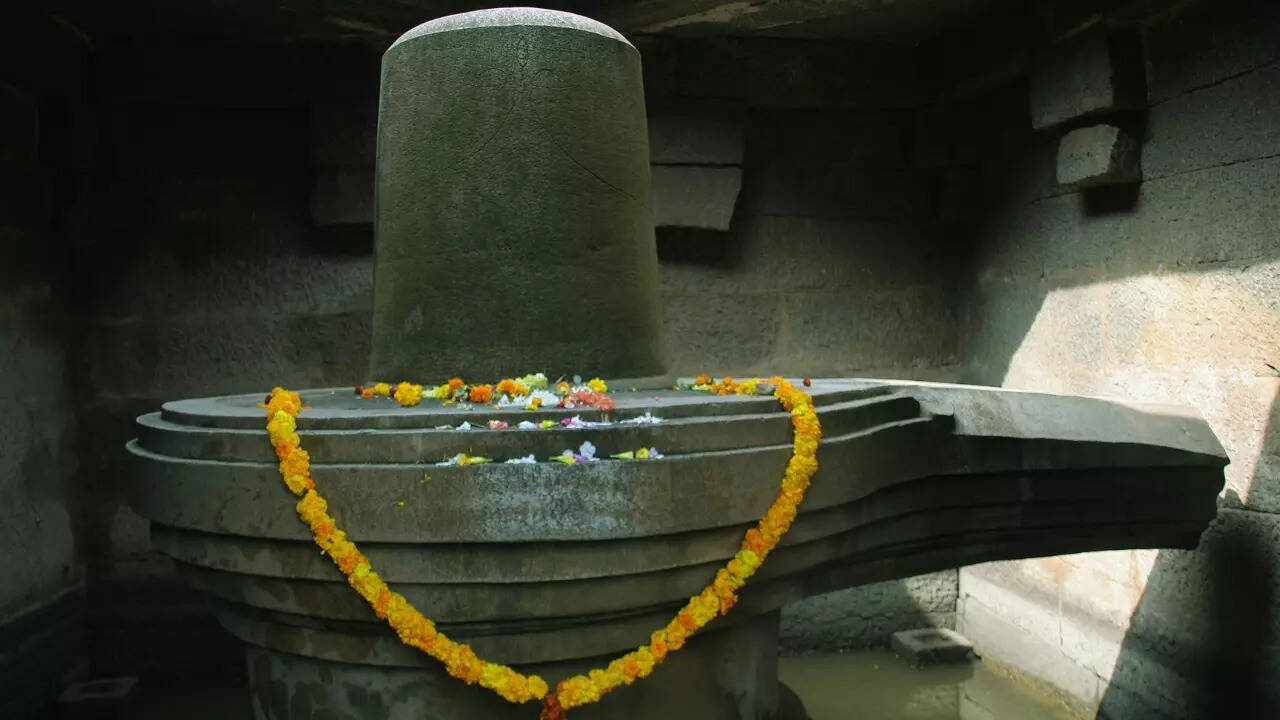
Badavilinga in Hampi, Karnataka
The linga which is always wet
One of the most interesting aspects of the Badavilinga is that its presence is always surrounded by water. This is because the base of the lingam is submerged in water from Tungabhadra river, but the level of water is seldom completely dry, even during the dry season. This is interesting for several other symbolic and mythological reasons.The Hindu mythical story goes like this: when the mighty river Ganga came down from the heavens to the Earth, the power of the river was so great that it was going to destroy the planet. Lord Shiva intervened, catching the river in his matted locks to soften her descent and control her flow. The Badavilinga is believed to embody this sacred connection. The water encircling its base symbolises the Ganges forever held and regulated by Shiva.From a structural standpoint, the temple’s design allows water to collect and remain around the pedestal. But from a spiritual perspective, it is considered to be a manifestation of God, an affirmation of the role of God in creation and destruction, and of Shiva as the preserver of life-giving waters.The Badavilinga temple is said to have originated in the days of the glorious Vijayanagara Empire, which reigned supreme from the 14th to the 16th century.
The glittering capital of this empire was Hampi.Though it declined as an empire in 1565 following the Battle at Talikota, the empire’s artistic and spiritual heritage lives on.It continues to be one of the oldest standing Shivalingas in existence today in Hampi and attracts thousands of visitors annually. Devotees assemble in prayer, and tourists pass by in admiration at its size and significance.The Virupaksha Temple, a temple of Lord Shiva, is another location that one should definitely visit. Still an active place of worship, it predates the Vijayanagara Empire and showcases soaring gopurams and intricate carvings.As the sun sets over Hampi’s rugged terrain, the granite boulders glow amber, and the Badavilinga’s chamber grows quieter. The water at its base reflects the fading light, and the towering stone form seems almost eternal.









 English (US) ·