

 1 hour ago
4
1 hour ago
4
ARTICLE AD BOX
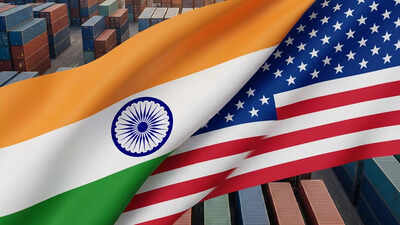
India-US trade deal: Washington on Tuesday issued a fact sheet outlining the "path forward" for the newly concluded "historic trade deal" with India. The agreement was announced last week after a telephonic conversation between PM Narendra Modi and US President Donald Trump when they agreed on a framework for an Interim Agreement.
As part of the exchange, Trump agreed to withdraw the additional 25% duty imposed on Indian imports, pointing to New Delhi's commitment to halt purchases of oil from the Russian Federation. An Executive Order formalising the rollback was signed the same day. Washington further added that in light of India’s "willingness to align with the United States to confront systemic imbalances in the bilateral trade relationship and shared national security challenges", the reciprocal tariff will be brought down from 25% to 18%.India will scrap or cut duties on American industrial products and on a wide basket of agricultural and food exports. Among the items listed are dried distillers’ grains, red sorghum, tree nuts, fresh and processed fruit, selected pulses, soybean oil, wine and spirits, along with other goods. Alongside, India will also be importing more goods from the United States, targeting purchases exceeding $500 billion across energy, information and communication technology, farm goods, coal and additional categories.
The Joint Statement also records a commitment from India to deal with non-tariff obstacles that affect bilateral commerce in priority areas. Both governments plan to work on rules of origin so that the advantages negotiated under the arrangement accrue mainly to the two countries. India will end its digital services taxes and has agreed to pursue an ambitious set of bilateral digital trade disciplines aimed at discriminatory or burdensome measures and other impediments, including rules preventing customs duties on electronic transmissions. The two sides also signalled closer coordination on economic security. They intend to reinforce supply chain resilience and innovation through complementary action addressing non-market policies of third parties, while cooperating on reviews of inbound and outbound investments and on export controls. A significant rise in two-way trade in technology products and broader joint cooperation in the sector is envisaged.
TheThe White House statement further claimed that India has historically applied some of the steepest duties faced by the United States among major economies, with agricultural tariffs averaging as high as 37% and levies topping 100% on certain automobiles. Washington also also pointed to what it calls a pattern of protectionist non-tariff measures that have shut many American products out of the Indian market. Implementation work on the newly agreed framework is expected to begin in the coming weeks, as both countries aim to finalise the Interim Agreement and ultimately conclude a BTA that would secure lasting benefits for US workers and companies. Negotiations will continue in line with the BTA Terms of Reference. This includes unresolved tariff issues, non-tariff and technical barriers, customs and trade facilitation, regulatory practices, trade remedies, services and investment, intellectual property, labour, the environment, government procurement and practices considered trade-distorting or unfair involving state-owned enterprises. "Today’s announcement provides a tangible path forward with India that underscores the President’s dedication to realizing balanced, reciprocal trade with an important trading partner," the release said.







 English (US) ·