

 1 hour ago
6
1 hour ago
6
ARTICLE AD BOX
Last Updated:February 28, 2026, 07:30 IST
A pioneering woman scientist transformed India’s sugarcane industry, making the country the world’s second-largest producer.

For decades, women in science faced societal pressures to stay at home. Yet, some dared to enter labs and research fields, quietly transforming nations. One such woman revolutionised India’s sugarcane industry so profoundly that every spoon of sugar today reflects her work. Her name, however, remains largely unknown.
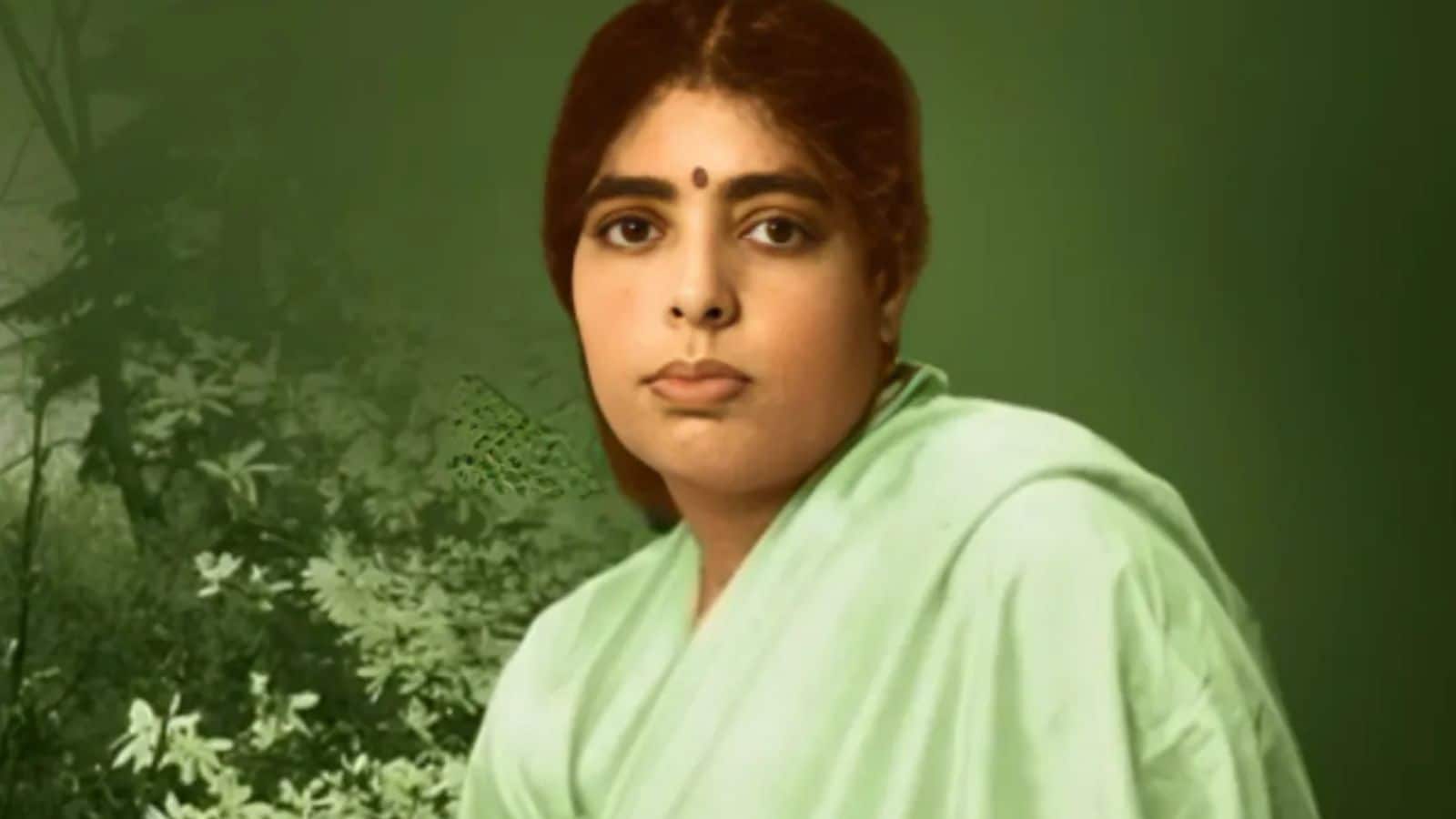
Dr Janaki Ammal was a pioneering botanist whose innovations made India self-sufficient in sugarcane. Without her research, India might still have relied on imports from Southeast Asia. Her scientific work laid the foundation for the country to become the world’s second-largest sugarcane producer.
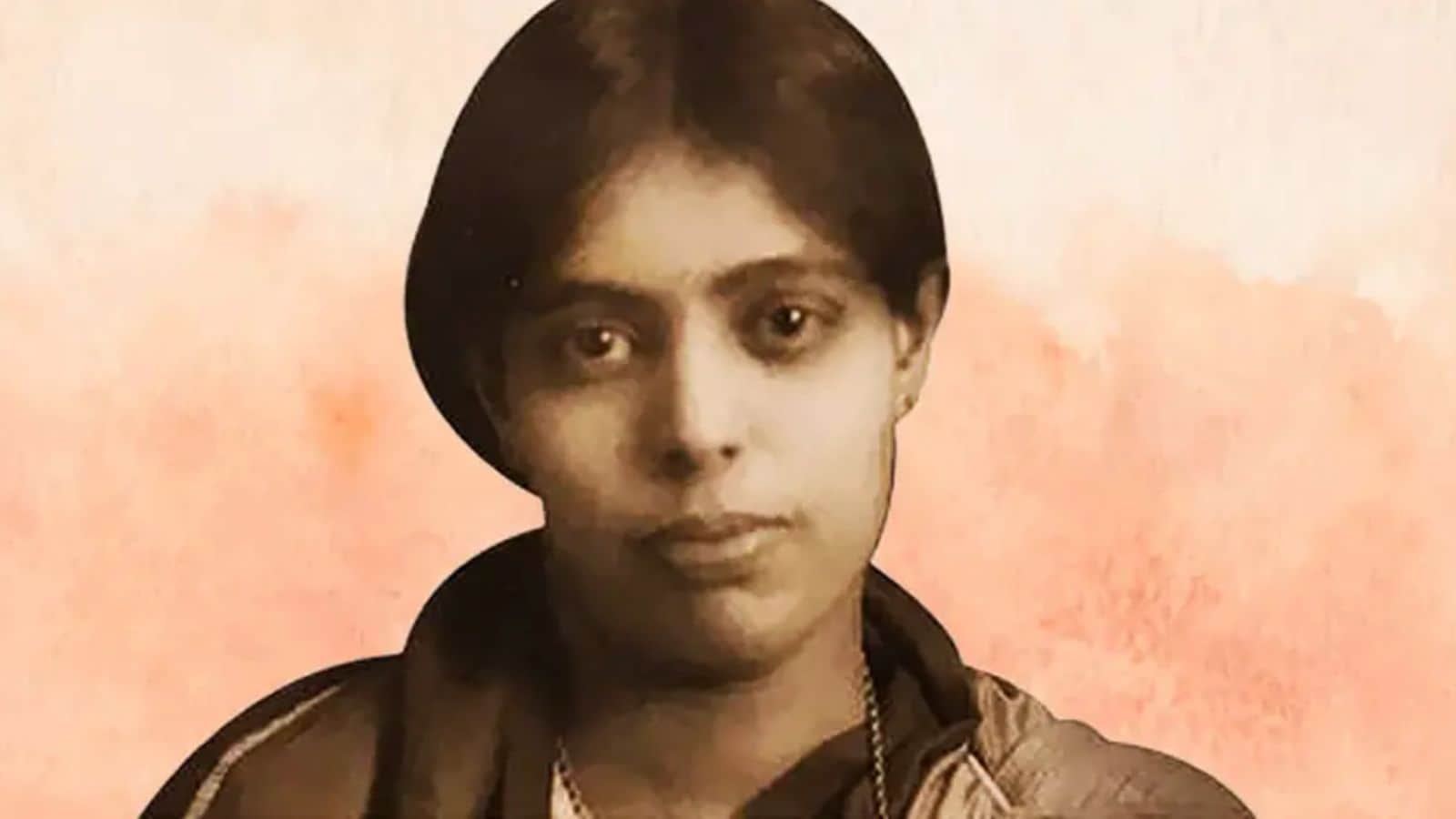
In 1932, when most women were expected to marry young, she pursued a career in science instead. She became the first Indian woman to earn a PhD in botany from the University of Michigan. This achievement showed her determination to follow her passion for research instead of conforming to tradition.
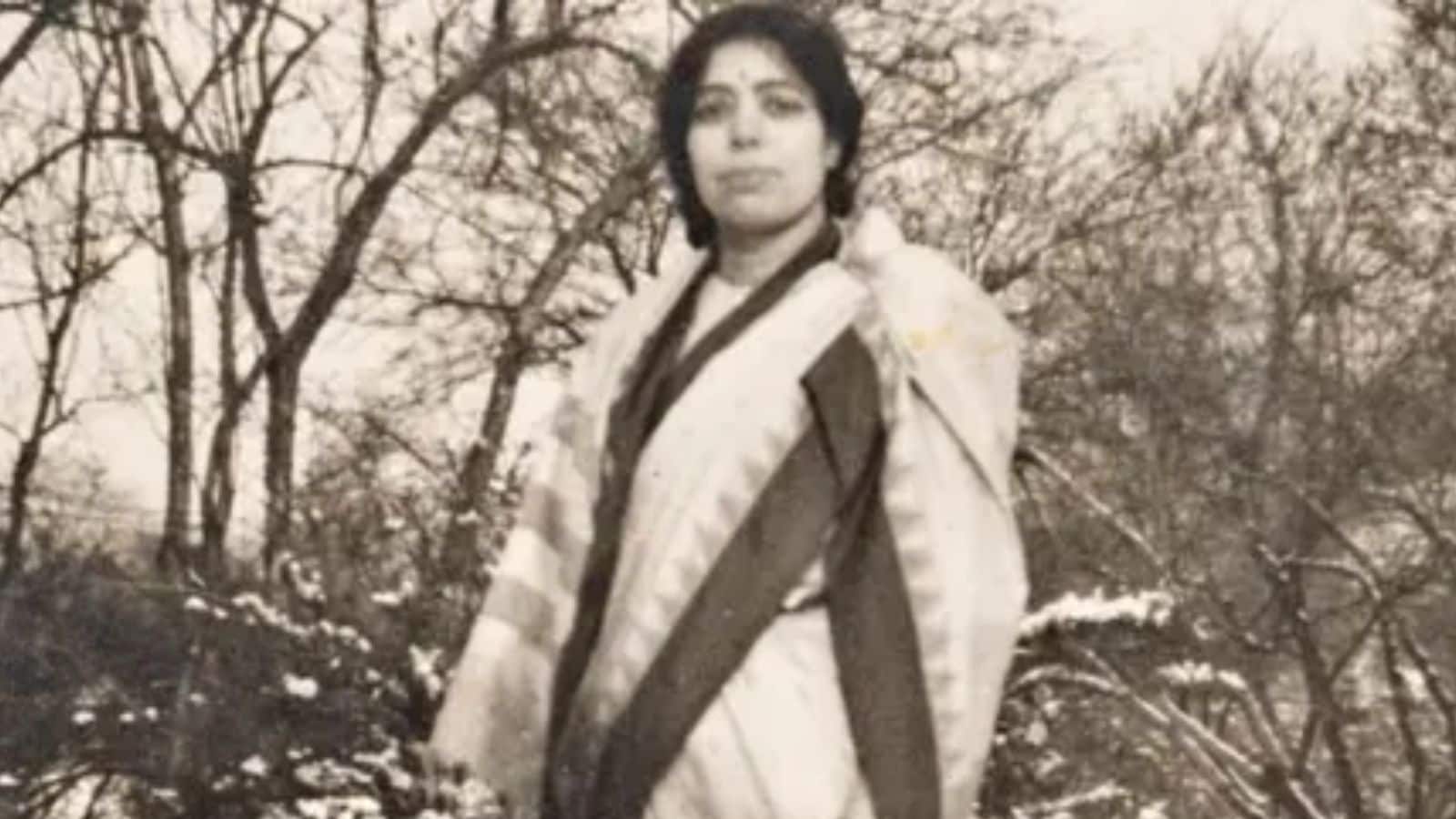
On returning to India, Dr Janaki Ammal joined the Sugarcane Breeding Institute in Coimbatore as a geneticist. At the time, local sugarcane varieties were low in sugar content and fragile. India depended on imports from Papua New Guinea through Southeast Asia, creating a need for stronger, sweeter crops.
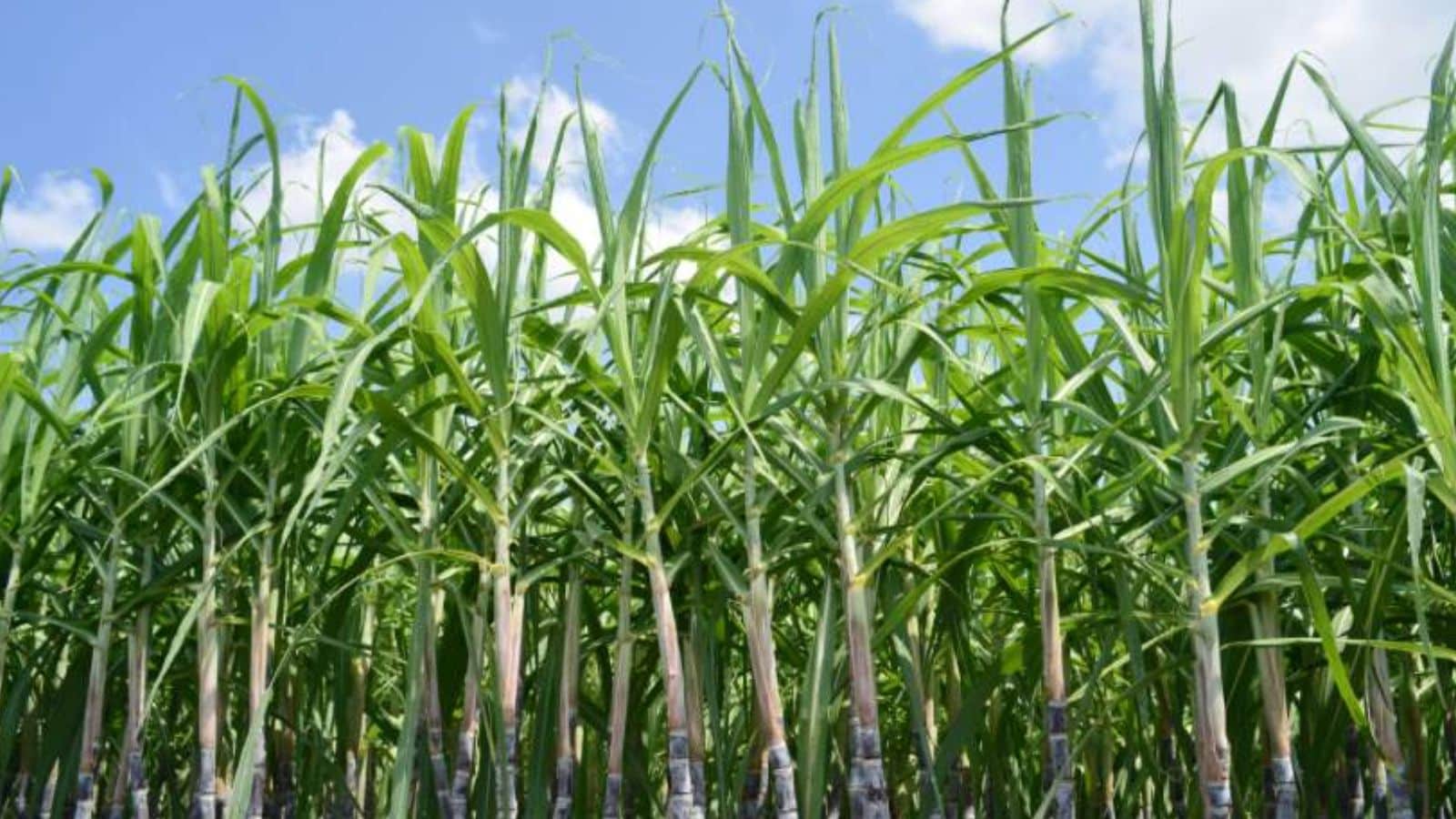
Through years of hybrid cross-breeding, she created a sugarcane variety that thrived in Indian soil and climate. Her efforts were slow but steady, combining careful experimentation and patience. The result transformed India’s sugar industry, turning the country into a major producer and exporter.

Despite her scientific success, Dr Janaki Ammal faced severe discrimination in India as a single woman from a marginalised caste. Male colleagues often undermined her authority, eventually forcing her to move abroad. She continued her research in London during the challenges of World War II.
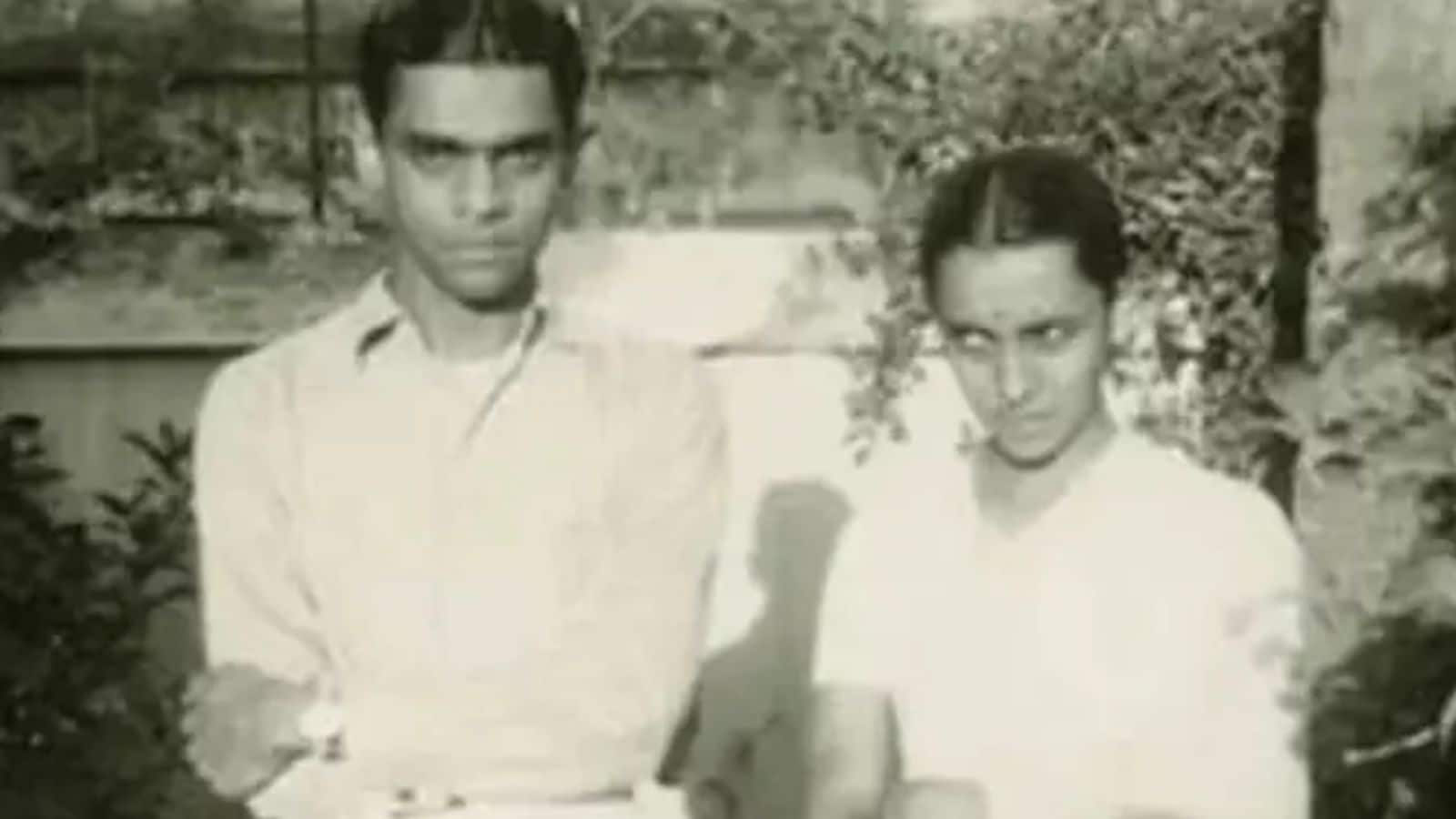
In London, she developed a new magnolia species named Magnolia kobus ‘Janaki Ammal’. Even amid wartime difficulties, she advanced botanical research, demonstrating her resilience and dedication to science, leaving a mark far beyond India.
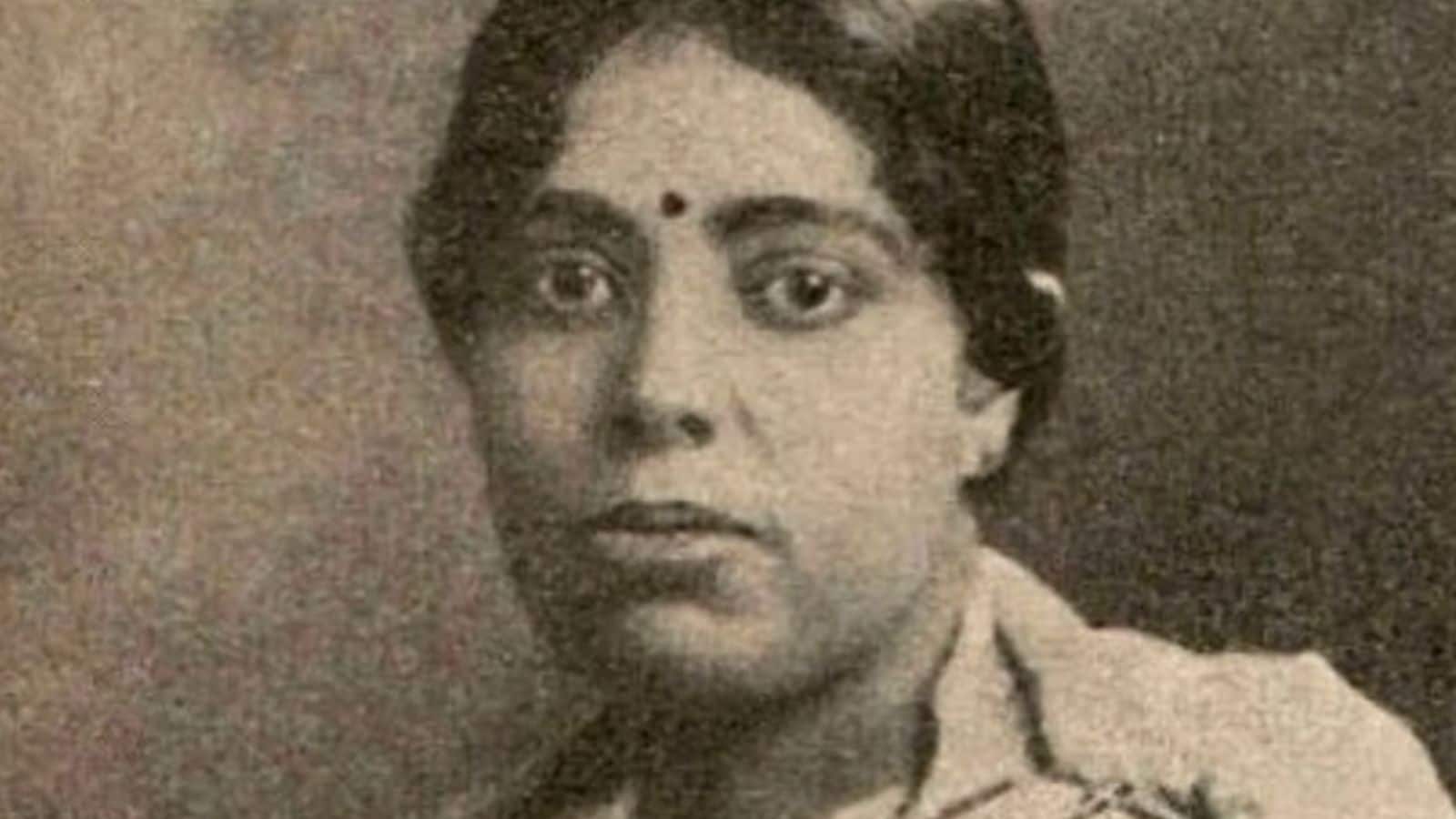
At Prime Minister Jawaharlal Nehru’s request in 1951, she returned to India to lead botanical projects and strengthen scientific institutions. Her contributions to biodiversity conservation earned her the prestigious Padma Shri award and cemented her reputation as a pioneering scientist.
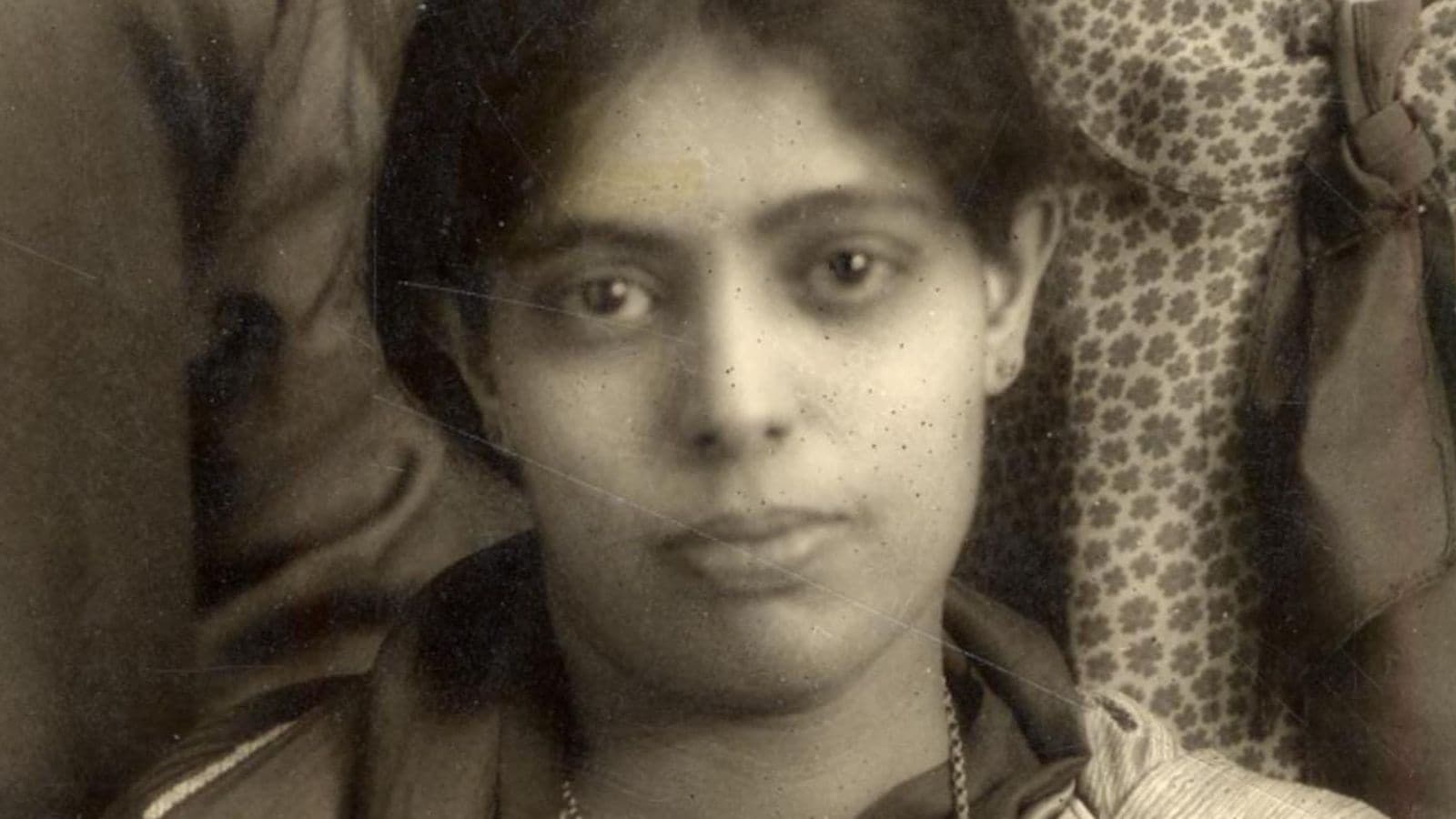
Dr Janaki Ammal’s journey wasn’t just about sugarcane. It was about following her purpose, overcoming prejudice, and proving that determination and knowledge can transform lives and industries, even in the face of societal barriers and personal hardships.

Her work quietly lives on in every grain of Indian sugar. Dr Janaki Ammal’s achievements are a testament to how women innovators can change not only their lives but also reshape the future of an entire nation.
News Photogallery viral Who Is Dr Janaki Ammal? Woman Scientist Who Revolutionised India’s Sugarcane Production







 English (US) ·