

 1 hour ago
7
1 hour ago
7
ARTICLE AD BOX
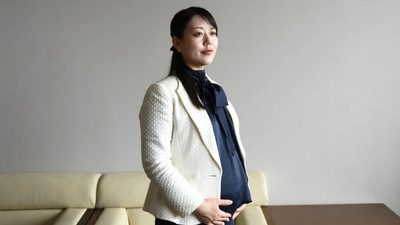
Shoko Kawata. (Image Courtesy: The New York Times)
Shoko Kawata of Japan is making headlines across the world for a decision that many working women might consider ordinary. The mayor of Yawata city will become the country's first sitting mayor to take maternity leave while serving in office.
Instead of being seen as a routine part of pregnancy, her announcement has sparked a national conversation about women in leadership, motherhood and whether public office leaves room for both.Some questioned whether a mayor should ever step away from office. Others argued that women who plan to have children should not contest elections in the first place. The backlash became so intense that Kawata eventually took a break from social media.
Yet she has refused to apologise for something she believes should never have been controversial. "Systems can be changed, but people cannot. I cannot become a man," she said in an interview with The Japan Times.
6 May 2026 | 16:56
What are the three things that make you instantly happy?
Her words have resonated with working women across Japan and the world. More importantly, they have reopened an uncomfortable question: Can a woman hold one of the country's highest-responsibility jobs without putting motherhood on hold?
Why is Shoko Kawata in the news?
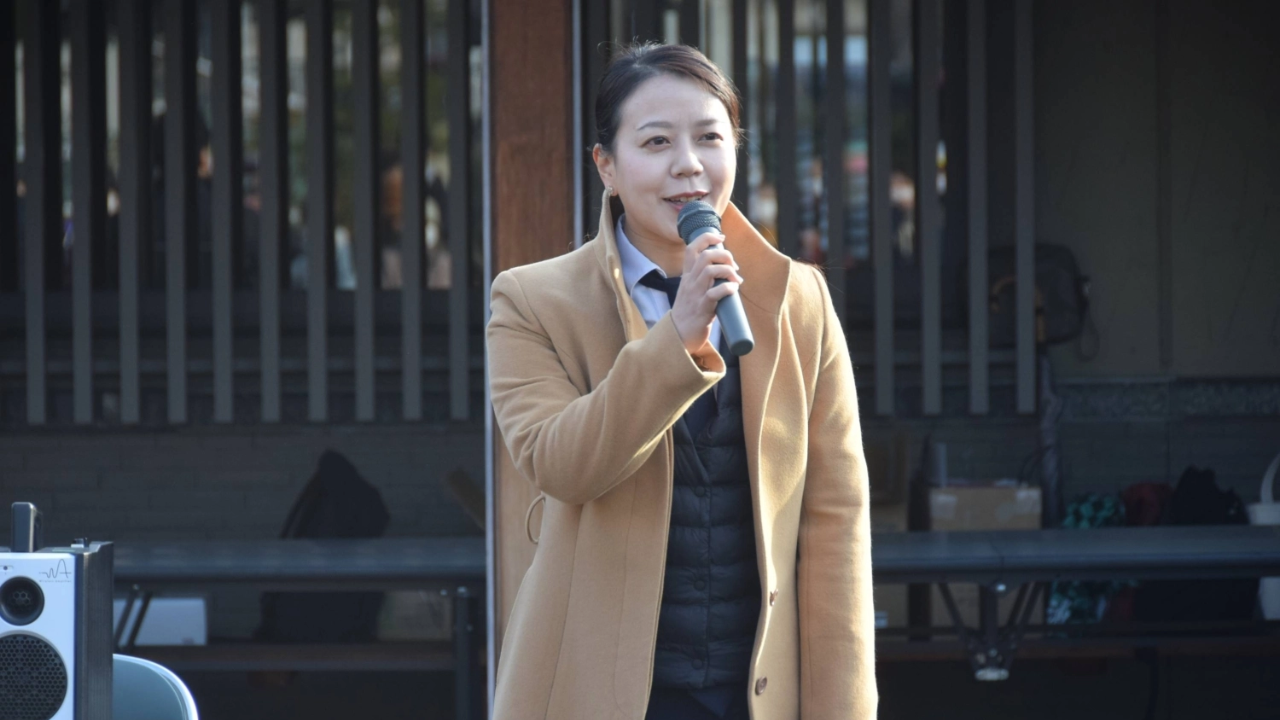
Shoko Kawata. (Photo Credit: The Japan Times)
Shoko Kawata became Japan's youngest female mayor after winning the election in 2023. She was 33 at the time. Now, she is making history again by becoming the country's first sitting mayor to take maternity leave while in office. She is due to give birth in September and plans to take 16 weeks away from her regular duties: 8 weeks before childbirth and 8 weeks after.The decision sounds straightforward. It wasn't. As per The Japan Times, unlike government employees, elected officials in Japan are not automatically entitled to statutory maternity leave because they fall outside labour law protections.For Kawata, however, the personal decision was never difficult. "I never saw childbirth and public office as incompatible," she said in an interview with The Japan Times. "I just felt it was something that should be accepted as normal."She points to something simple but often ignored in workplace conversations: childbirth is physically demanding. "There's medical evidence that childbirth puts a strain on the body, so it made sense to take leave," she said.
"I also felt it was important not to reinforce the idea that pregnant women shouldn't take time to rest, even in a highly visible leadership position."
When motherhood becomes a political issue
Japan has spent years trying to encourage families to have more children as the country's birth rate continues to decline. Yet Kawata believes her experience exposes a contradiction. "Society says it needs more children, yet childbirth is still treated as an individual responsibility," she observed.
"It welcomes children, but not childbirth itself."That contradiction became painfully visible after her announcement.
Arguments from country leaders against her decision
Kawata received dozens of supportive messages from people. But it also received significant criticism. Online, debates quickly escalated, with some arguing that elected leaders have no right to step away from office. Among the most widely discussed comments came from retired general and nationalist politician Toshio Tamogami.
He wrote on X that he felt “a great sense of discomfort about someone in public office taking such a long vacation.
” Tamogami argued that women planning to have children should avoid running for public office because mayors are "irreplaceable."But Kawata noticed a striking difference between online outrage and everyday interactions. "What I see online and what I hear directly from residents feel very different," she said.
"At the end of the day, I'm here for the people of Yawata, so I want to keep engaging directly with residents."
Challenging a system built around men
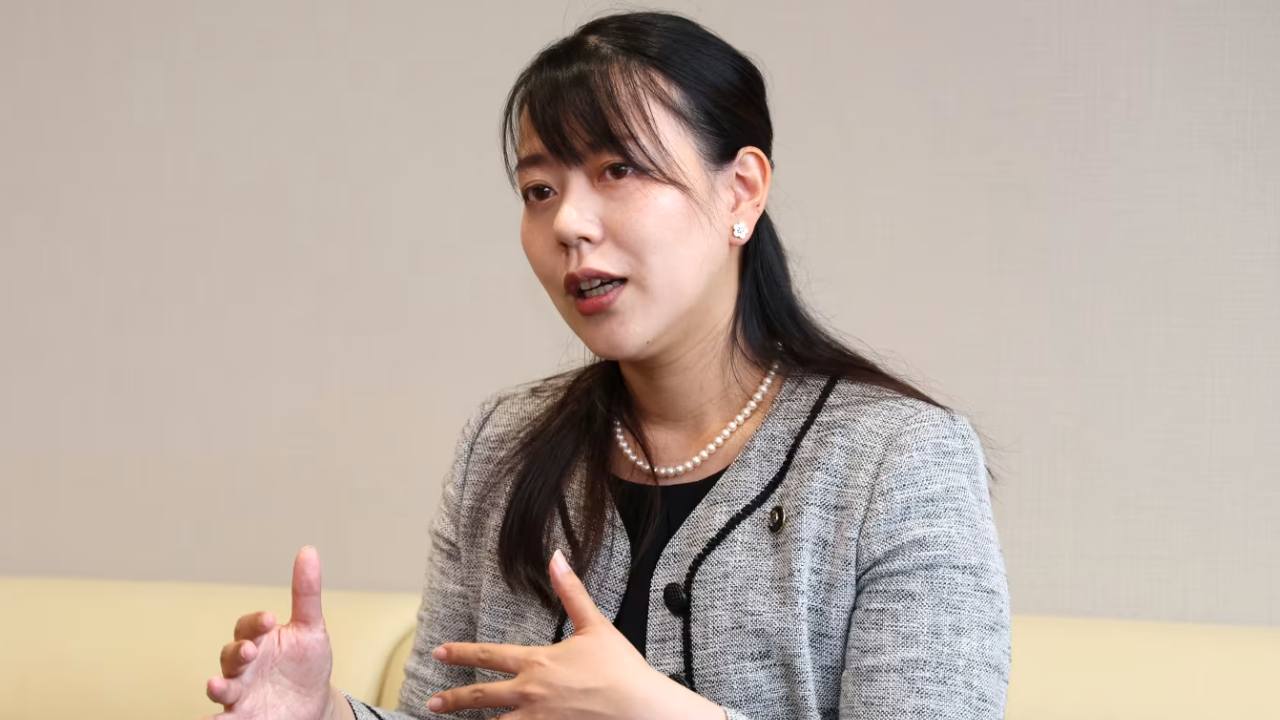
Shoko Kawata. (Photo Credit: CNN)
Kawata insists this debate is much bigger than one mayor taking time off. She believes many workplaces, including politics, still expect women to fit into systems originally designed around male careers. "Women in politics are often expected to adapt to systems built around male working styles, even though the most important years of their careers often overlap with pregnancy and childcare," she said.Across Japan, many women still worry that taking maternity leave will damage career prospects. The problem is so widespread that it even has a name: matahara, short for maternity harassment.For many women, pregnancy continues to be treated less as a normal stage of life and more as an inconvenience employers must accommodate. Kawata believes that mindset needs to change. "This isn't limited to politics," she said.
"It reflects a broader social structure in which people are increasingly choosing work over childbirth or postponing it."
Leadership doesn't stop during leave
Although she will step away from day-to-day administration, Kawata will not disappear from public life. Routine responsibilities will be managed by the deputy mayor and city officials, while she will continue receiving updates on major policy matters and remain available for urgent decisions.
Her husband will also take six months of childcare leave, allowing both parents to share responsibilities from the beginning.
Following a path others have openedKawata's decision is compared with former New Zealand Prime Minister Jacinda Ardern, who became one of the world's most recognised examples of a political leader balancing motherhood with public office after taking maternity leave while serving as prime minister. Kawata welcomes those conversations, not because she wants to make history, but because she hopes such decisions eventually stop being treated as history-making."Ultimately, I would like to see a society in which work and family life can coexist more naturally, rather than being framed as a choice between the two," she said. She believes women trying to balance major life events with their careers should not have to carry that burden alone.
Why millions of women resonate to her decision
The conversation around Kawata’s decision started about leadership, motherhood and equality in Japan may last much longer. Perhaps that is exactly what makes her decision significant. Not because she is stepping away from office for a few weeks, but because she is challenging the long-held belief that women must choose between her job and starting a family. In doing so, she is asking Japan or even the world to normalize something that millions of working women have long known: becoming a mother should never be treated as stepping away from ambition.









 English (US) ·