

 4 days ago
7
4 days ago
7
ARTICLE AD BOX
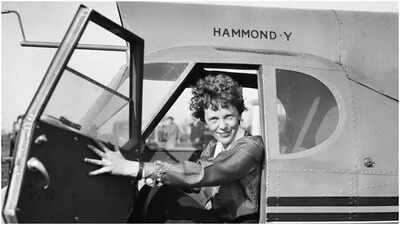
Amelia Earhart always knew the sky wasn’t her limit. She dreamed of the impossible. She refused to be grounded and changed the history of aviation forever by becoming the first woman to fly solo across the Atlantic Ocean.
From becoming the world’s first female pilot to breaking records before mysteriously disappearing, Amelia Earhart’s life is one for the books.
Born to fly
Amelia Mary Earhart was born in 1897 in Atchison, Kansas, to a railroad lawyer and a mother from an affluent family. Ever since childhood, she had been an adventurous and independent kid. When girls her age wore dresses, her mother let her wear pants, which she deeply enjoyed.
As a kid, she loved football and fishing.In 1920, Amelia Earhart happened to attend an air show in California, which changed her life forever. From then on, she wanted to be a pilot and took lessons and training. Her obsession with flying led her to purchase her first plane in 1921. She named the bright yellow Kinner Airster “The Canary.”In 1932, she broke a record by becoming the first woman pilot to cross the Atlantic Ocean solo.
She also set the record for the longest flight by a woman, crossing the Atlantic Ocean in the shortest amount of time.Earhart was undoubtedly an inspiration to many. She inspired women across the world to pursue various opportunities and break the social norms that kept them chained to their homes. In 1929, she founded the Ninety-Nines, an organization of female pilots. She served as its first president. Her feat even impressed then–U.S.
President Franklin D. Roosevelt and his wife, Eleanor. They invited her to the White House, and Earhart even took the First Lady for a ride in her plane.
Final flight and disappearance
In 1937, Earhart set out to travel around the world with her navigator, Fred Noonan, in a twin-engine Lockheed Electra. They started the trip in June from Miami and headed east on their 29,000-mile journey. In the following days, they made several stops to refuel and reached New Guinea on June 29.
They had covered around 22,000 miles by that time.On July 2, they headed toward Howland Island. The trip was expected to be difficult, as the coral island was hard to find. To guide the plane, two U.S. ships were stationed along the route. Earhart was also in occasional contact with the Itasca, a U.S. Coast Guard cutter near Howland. About an hour into the trip, she announced, “We are running north and south.” Then nothing. That was the last transmission.The plane is believed to have crashed about 100 miles from the island. Earhart and her navigator disappeared without a trace. Her journey may have been cut short by fate, but she continues to inspire millions of women to chase their dreams.









 English (US) ·