

 1 week ago
10
1 week ago
10
ARTICLE AD BOX
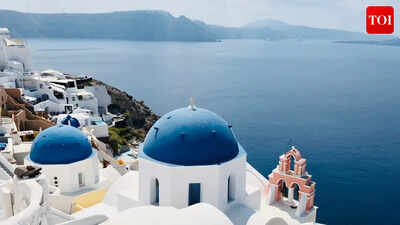
Few places in the world are as instantly recognizable and serene as Santorini.The island sits high on volcanic cliffs, overlooking the sparkling Aegean, and every year, millions of visitors arrive hoping to capture the postcard-perfect photo: dazzling whitewashed buildings topped with vivid blue domes, all glowing under the bright Greek sun.It’s gorgeous. AND it’s iconic!So much so that most people figure the colors just… make sense. They match the sea and sky, right? But there’s a lot more going on beneath the surface.
The fascinating story behind Greece’s most famous color scheme
Turns out, the famous colors of Santorini are rooted in a mix of practicality, history, economics, public health, and national identity. What began as a simple solution to everyday problems eventually became one of the most recognizable architectural traditions on Earth.
White for survival
Before Santorini became a backdrop for engagement photos, the people living there needed a way to beat the brutal summer heat. Summers on the island are no joke — long stretches of sun and warmth that, without modern air conditioning, would make life downright miserable.The most viable solution? White paint.White reflects sunlight rather than swallowing it up. That means the walls stay much cooler. Islanders used good old limewash for those bright white surfaces, which made a real difference when the weather climbed above 30°C (86°F).
In that kind of heat, every little bit counts.
Cleanliness by design
There's another smart reason behind all that white. Traditionally, the lime used in whitewashing has some natural antibacterial properties. Back in the days before reliable plumbing and proper sanitation, fresh coats of limewash helped keep germs at bay. During outbreaks of disease in the early 1900s, people whitewashed even more, making the practice about cleanliness as much as comfort.So, those pretty facades weren’t really just for the sake of Instagram aesthetic. They were about making homes healthier and more livable.
Where did the blue come from?
That’s a mix of practicality and meaning. Blue was everywhere among sailors and fishermen, who used the paint on their boats. Paint was expensive, so leftover blue went on doors, shutters, and fences. Over time, it just stuck.But blue also means more than that. In Greek culture, people have long believed the color wards off evil and brings luck.
You can see it everywhere in local art and church decorations. Slowly, blue became the accent alongside all those white walls: practical, lucky, and beautiful.
Painting the town in national colors (but not from the start)
People seem to buy into the story of how the colors match the Greek flag. There’s some truth to it, just out of order. White homes showed up long before the modern flag did, but during Greece’s military dictatorship in the late 1960s and 70s, blue and white started being pushed more officially.
Authorities encouraged, sometimes even forced, homeowners to use the national colors as a show of loyalty. By then, though, it was already part of island culture.Of course, not every building has always matched. In the past, houses came in muted earth tones, with only richer families painting their homes in fancy colors. But as tourists started flocking in, villages like Oia and Fira cleaned up the look — blue, white, and nothing else.
These days, there are even laws about keeping it that way, because it’s become “the” image of Santorini.Pretty on purpose — or not?Santorini might look picture perfect in photos, but its houses aren’t just a backdrop for vacation photos. Every white wall and blue dome hints at centuries of adapting to the island’s tough climate, borrowing from seafaring tradition, and trying to stay healthy before modern medicine. You walk those winding streets, and you’re actually seeing a record of survival, plus a bit of good luck!Ultimately, it adds up to more than a pretty picture.Santorini is now a symbol of summer, romance, and the Mediterranean dream, sure.But there’s a very real, practical story underneath all that beauty. What started out as a simple necessity grew into the look we all know today. Next time you spot that postcard scene, remember: those colors look amazing, but they were really chosen because they worked.The breathtaking effect? That’s just a bonus the island has been reaping for generations!









 English (US) ·