

 5 hours ago
4
5 hours ago
4
ARTICLE AD BOX
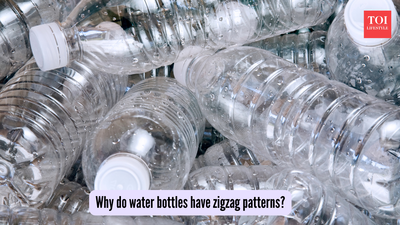
Water bottles feature zigzag lines for a better grip. These ridges prevent slipping, especially when hands are wet. They also make the bottles stronger, resisting crushing forces. This design allows manufacturers to use less plastic. The textured surface aids in label application and removal. These practical elements enhance usability and production.
Ever wondered why there are zigzag lines on your water bottle?We all grab water bottles without a second thought, for hydration on the go, right, but it is only after taking a closer look do we see those zigzag ridges or lines running down the sides.
They're not random, there's a real purpose behind them, blending everyday practicality with smart engineering.
Why do water bottles have zigzag patterns?
What those ridges really are really present for
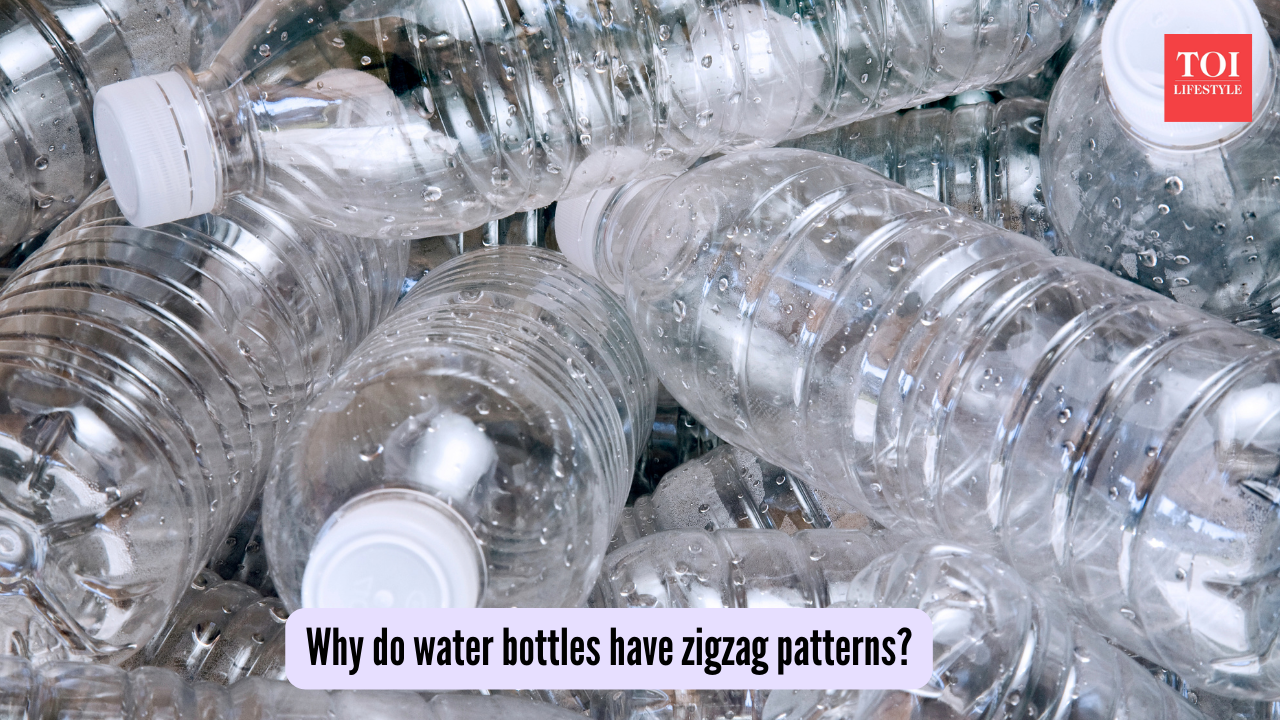
Those zigzag lines on water bottles are called "ribbing" or "gripping ridges." They form indented patterns along the bottle's body, often in a wavy or helical design. Made during the blow-molding process, these aren't decorative, they add targeted strength where bottles need it most. Manufacturers press them in to prevent weak spots, making thin plastic hold pressure without bulging or cracking.
They can be seen on various leading water bottle brands.
They help in improving grip and handling
Ever fumbled a slippery wet bottle, it is then that these ridges give the fingers traction, especially when hands are sweaty or the plastic's condensation-covered.The zigzag texture creates friction points, so the bottle doesn't slide during workouts, hikes, or rushed commutes. Tests show ribbed designs reduce drop rates by channeling water away from your palm.
It's a small win for safety, fewer spills mean less mess and no wasted water.
Representative Image
They make bottles structurally stronger
Plastic bottles face crushing forces from stacking in trucks or stores. Zigzag ridges act like reinforcements, distributing pressure evenly to avoid collapse. They boost structural integrity by up to 30%, letting makers use less material, good for cost and the planet. Without them, bottles might warp under weight, leaking or bursting. Engineers use nature's honeycomb patterns here, turning potential weak points into a resilient grid that standing firmly in warehouses or your fridge door.
They help in manufacturing and labelling bottles
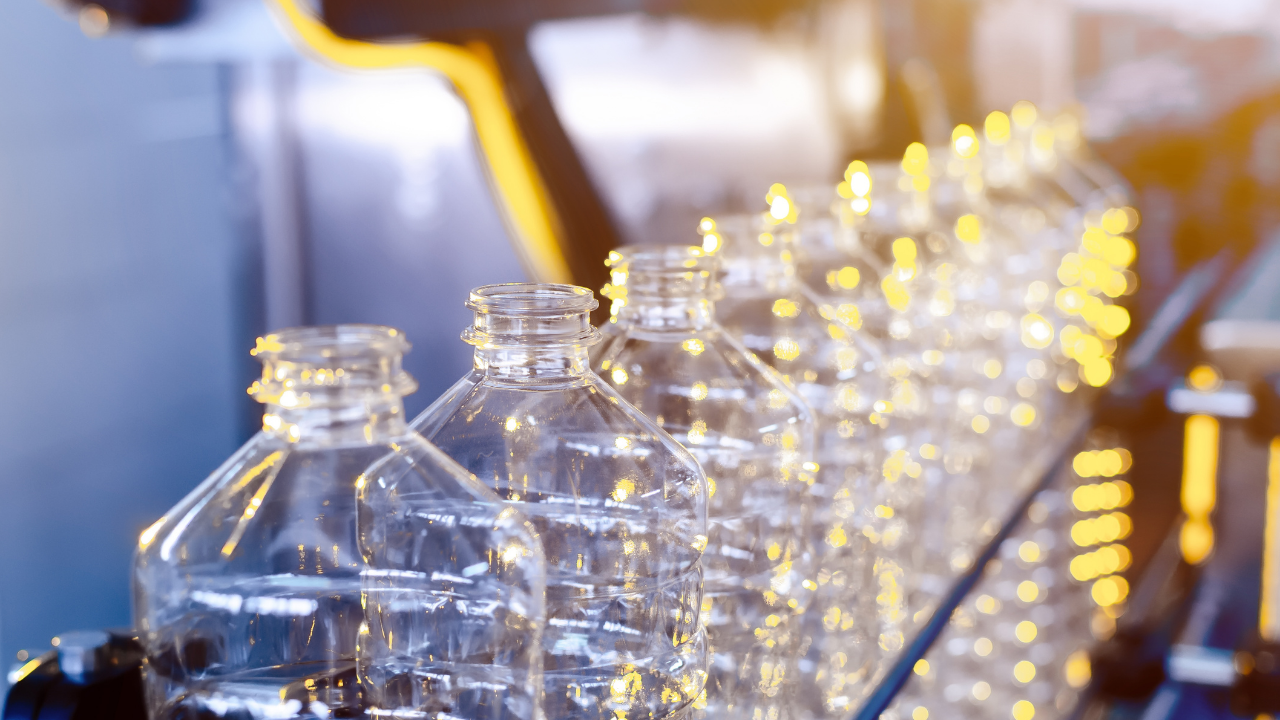
During production, ridges let air escape smoothly as bottles cool and shrink, preventing deformities. They also help labels stick perfectly, glue sticks better to textured surfaces, and wraps don't bunch up. This cuts waste and speeds assembly lines. For recyclers, ridges help separate labels from plastic easier, improving efficiency.







 English (US) ·