

 1 hour ago
4
1 hour ago
4
ARTICLE AD BOX
4 min readNew DelhiFeb 25, 2026 03:30 PM IST
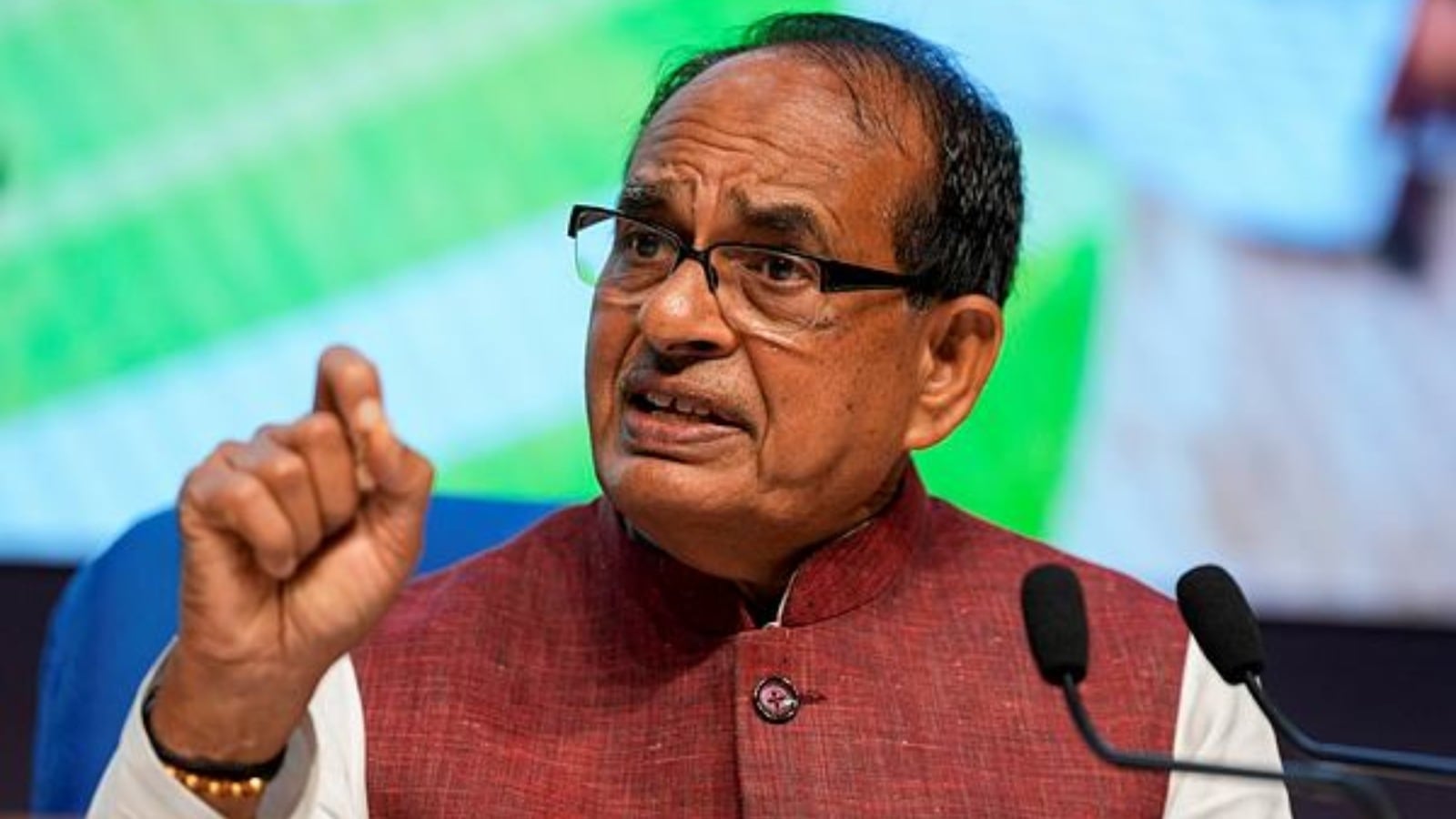 UNion Agriculture Minister Shivraj Singh Chouhan was speaking at the Pusa Krishi Vigyan Mela in New Delhi. (File photo)
Stating that many reforms have been implemented in the farm sector but many more are still required, Union Agriculture Minister Shivraj Singh Chouhan on Wednesday mooted directly transferring fertiliser subsidy into farmers’ bank accounts rather than routing it to companies.
Addressing the Pusa Krishi Vigyan Mela in New Delhi, Chouhan said, “Pradhan Mantri ji kehte hain reforms. Har ek kshetr mein reform hone chahiye. Main kehta hoon kheti mein bhi kayi reforms ki abhi jaroorat hai. Kayi hamne kiye hain lekin kayi aur karna hai. Aaj is mele ke maadhyam se main kehna chahta hoon kisaan bhaiyo, kayi muddon par vichaar vimarsh karke aur aapasi sahmati banaakar faisala karenge. Vaise hi ek mudda hai fertiliser ki subsidy (The prime minister calls for reforms. Reforms should be implemented in every sector. I say that agriculture also needs many reforms. We have implemented many, but many more need to be done. Today, through this fair, I want to tell my fellow farmers that we will discuss and decide on many issues through mutual consensus. One such issue is fertiliser subsidy).”
Talking about the mounting bill of the fertiliser subsidy, Chouhan said, “How much fertiliser subsidy is there? A bag of urea costs Rs 266. DAP (di-ammonium phosphate) costs Rs 1,350 (per bag of 50 Kg). Can you guess their market price? Last year alone, farmers were given a subsidy of more than Rs 1.70 lakh crore on these fertilisers. This is why we get cheap fertiliser. But now we have to reconsider.”
“Complaints come from many places. The Government of India provided so much fertiliser at such a high subsidy, yet in the field, many complain that farmers did not receive it properly. In some places, it was diverted. Urea meant for farmers—subsidies are given for them— but some of it ends up elsewhere— in industries and other places. Now, the country should consider transferring fertiliser subsidy amounts to farmers’ accounts. This needs to be considered today. The agriculture department should also consider this, and ICAR should also support us,” Chouhan said.
Chouhan said the Government has launched an initiative to provide farmers with unique IDs, which have all details about the land they own. So far, 8.50 crore farmers’ IDs have been generated, he said, adding that these farmers’ IDs can be used by farmers to avail of bank loans and by the Government to make direct benefit transfers to their bank accounts.
Chouhan urged the agriculture students and technical experts to reflect on the issue.
“Now, there’s a need for a consensus on fertiliser subsidy. I want a discussion on this, and we should find ways. Rs 1.70 lakh crore is already allocated in the budget this time. Why give it to companies? It should go directly to the farmers. When you give Rs 6,000 to a farmer, it costs Rs 60,000 crore, so try to estimate Rs 1.70 lakh crore, and see if these experiments can be done. I think, when it comes to reforms, we should also try to work on how to transfer money directly to farmers’ accounts,” he said.
Story continues below this ad
Chouhan’s remarks are significant as the expenditure on the fertiliser subsidy has been rising over the years. The Centre had allocated Rs 1.67 lakh crore for fertiliser subsidy for the current fiscal year (2025-26), which has been revised upward to Rs 1.86 lakh crore. Finance Minister Nirmala Sitharaman has allocated Rs 1.70 lakh crore for the next financial year (2026-27), which includes Rs 54,000 crore for nutrient-based subsidy and Rs 1.16 lakh crore for urea subsidy. In 2024-25, India’s total fertiliser consumption stood at 329 lakh tonnes.

Harikishan Sharma, Senior Assistant Editor at The Indian Express' National Bureau, specializes in reporting on governance, policy, and data. He covers the Prime Minister’s Office and pivotal central ministries, such as the Ministry of Agriculture & Farmers’ Welfare, Ministry of Cooperation, Ministry of Consumer Affairs, Food and Public Distribution, Ministry of Rural Development, and Ministry of Jal Shakti. His work primarily revolves around reporting and policy analysis. In addition to this, he authors a weekly column titled "STATE-ISTICALLY SPEAKING," which is prominently featured on The Indian Express website. In this column, he immerses readers in narratives deeply rooted in socio-economic, political, and electoral data, providing insightful perspectives on these critical aspects of governance and society. ... Read More
Stay updated with the latest - Click here to follow us on Instagram
© The Indian Express Pvt Ltd






 English (US) ·